Before I dive in, I want to preface by saying that I’m writing this post from personal experience while studying abroad, combined with a lot of trial and error (and Google searches). If you’re preparing for your own study abroad trip, I hope this helps you navigate the entire flight-booking process without so many hours of research and stress.
First Big Flight: Getting There Without Breaking the Bank
Buying flight tickets to your study abroad country is a huge deal. It is exciting but also a little overwhelming, since the cost is usually more expensive than your usual Thanksgiving trip home. One thing I wish I’d known earlier: Students get flight discounts.
If you haven’t checked out StudentUniverse, do so. They offer deals you won’t find on normal travel sites because they’re intended just for students and young travelers. I found my flight to Scotland there, and it saved me almost $400 compared to what I saw on Expedia.
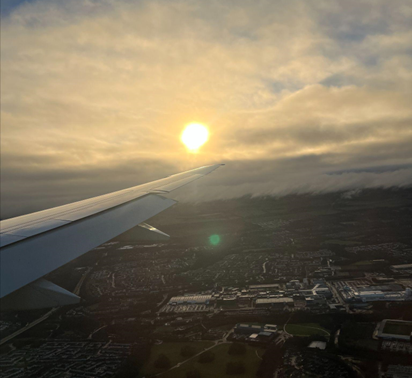
Choosing an Airport: Nearby vs. Economical
When I first arrived in Scotland, I just assumed I would always fly out of Edinburgh Airport because I was living in Edinburgh for school. Logical, right? Wrong!
Flights out of Glasgow Airport, about an hour away from Edinburgh by bus, were often much cheaper. However, I didn’t realize this until halfway through the semester, after I had already paid for a couple more flights. After that, I always checked flight costs outof both airports.
Now I always double-check every city near me before booking any flights — and not just because I’m still a little bitter about all that wasted money!
Using Points and Miles (Even If You’re Not a Travel Hacker)
I’m not one of those people who opens six new credit card accounts to chase free flights — but even if you’re a points beginner, it’s worth checking to see if you (or your parents) have travel rewards you can use. Some airlines let you book student deals with miles, too. I used my Capital One credit card to book my flights and got cash back.
Choosing an Airline: A Little More Now Can Save Lots Later
It is tempting to book with the absolute cheapest airline. But sometimes paying a little more can save money in the long run. Some airlines include a free checked bag, while many budget carriers charge $50 or more for luggage. If you know you’ll need more than a tiny backpack, spending extra for a ticket that includes bags or avoids extra fees might be worth it.
Enduring Layovers: What to Watch Out For
One thing you should always double-check when booking a flight is how many layovers you will have and how long each one will take. Sometimes a flight that looks like a great deal at first glance will actually involve two or even three connections, requiring you to spend long hours stuck in airports.
When I was booking my trip to Edinburgh, I had the option of choosing a cheaper flight with two layovers, which would have made the total travel time more than 10 hours longer than a direct flight. Instead, I paid about $50 more for a flight with only one layover lasting just 2 hours. It was so worth it! I arrived in Scotland feeling tired but human — rather than like I had been living in airports for a whole day.
When you’re comparing flights, it’s not just about price. Look at the total travel time and think about how much your time and energy are worth, especially when you have school or travel plans waiting on the other side.
Navigating Customs: Know the Rules Before You Land
The process of going through customs when you land can either be quick or really, really slow. To avoid any issues, make sure you research the customs requirements for the country you are entering. Some countries are stricter than others about what documents you need to show when you arrive.
Make sure you:
- Have a printed (yes, printed!) copy of your university acceptance letter.
- Show proof of where you are living — like a lease, dorm assignment, or housing letter.
- Know your visa type and have your financial proof if needed.
Also, if you’re bringing any medications, it is really important to look up whether they’re considered controlled substances in your host country. Some medications that are common and legal in the U.S. can actually get you in trouble in other countries if you don’t declare them properly.
Before I left for Scotland, I found out one of my prescriptions was technically a controlled substance there. I had to get a signed letter from my doctor explaining why I needed the medication, how much I was carrying, and that it was prescribed to me. I printed two copies, kept one with my passport, and packed the other in my checked luggage. Luckily, I did not have any issues at customs, but it gave me peace of mind knowing I was prepared if customs officials had questions.
It takes a little extra effort, but this step is absolutely worth it to avoid headaches or even having your medications confiscated.
Flying During Your Program
One of the best parts of studying abroad is traveling around once you are there. Flights in Europe (and most other places around the world) are way cheaper than we’re used to in the U.S.
Use Skyscanner — seriously. It searches budget airlines such as Ryanair, EasyJet, Wizz Air, and others. I liked using their “whole month” search to find the cheapest days to fly.
A lot of my classmates planned quick weekend trips by booking budget flights for around $40 each. I am still amazed that I could fly from Glasgow to Paris for $30 round trip!
Final Thoughts
If I had to sum up everything I learned about booking flights for study abroad, it would look like this:
- Look everywhere for discounts — especially StudentUniverse and Skyscanner.
- Stay flexible about airports.
- Pay attention to baggage policies before you book.
- Check the number and length of layovers.
- Research customs entry requirements and medication rules.
Traveling internationally can feel overwhelming at first, but you’ll learn a lot about planning, adapting, and exploring. And who knows? Your biggest mistakes might end up being your favorite stories later on.
Safe travels and happy studying!
This blog post was contributed by Jonah Roming, Spring 2026 Peer Mentor. Jonah is a second-year nursing student participating in the Peer Mentors Program. Jonah studied abroad at the University of Edinburgh in Edinburgh, Scotland, in Spring 2024.