Growing up, I was the kind of person who treated being alone like a personal failure. In other words, younger me always believed that every moment I spent by myself was another lost opportunity to make memories. Whether it was a quick coffee trip or a short walk to class, the possibility of doing such simple things alone made me not want to do them at all.
Eating at a restaurant solo, touring a city without someone to navigate it with, and even taking the awkward first step to talk to strangers — none of these ever made it to the list of scenarios I daydreamed about in the days leading up to my departure for my summer semester abroad.
With 13 hours about to separate me from everyone I knew, I had to find another way to fill the new empty space and silence. So, when I boarded my flight to London, England, my biggest fear didn’t have anything to do with culture shock or school assignments — it was fear of missing out.
As I counted the hours before landing, I was set on a few goals for the summer: becoming someone who was truly confident, able to make friends easily, and deeply rooted in a sense of belonging. But even as I pushed myself outside of my comfort zone for the chance to connect with others, I didn’t realize I first had to learn how to exist comfortably with myself.
During the first few weeks, I tried to do everything I could to find “my people.” I’d wait for my flatmates to finish getting ready or studying before heading out to explore or even alter my plans entirely just so I wouldn’t have to venture out alone. But as the weeks went on, I started to wonder: “Was this really how you wanted to spend the rest of your time in London? Was this really the ‘new person’ you wanted to become?”
One day felt just like the others. I woke up, went to class, and made plans to go back home to rest with my flatmates. But as we cut through the park in our rush to escape the heat, I lingered behind to just … take it in.
The sun was warm and comforting. The breeze was gentle. Chatter drifted from families sprawled on picnic blankets across the grass, with dogs weaving through them as kids and their owners laughed while chasing them down.
As my flatmates walked farther and farther away, I realized that if I stayed the way I was, I would keep missing these small moments and so many more I was always too hesitant to seek out.
The next thing I knew, I was on a bus to Marylebone with a last-minute bookstore crawl. Hours ticked by without me noticing as I walked through the small but cozy aisles of Daunt Books. Another bus ride to Piccadilly later, I explored the sprawling floors of Waterstones, browsed the historic shelves of Hatchards, and even took a short biscuit break at Fortnum and Mason.


That evening, as I walked home with a new canvas bag full of books for myself, I had a sudden realization: The sun was still warm. The wind was still gentle. And the world didn’t stop spinning just because I was alone.
Despite being halfway through the program, that was the first day I felt like even though I was by myself, things were still going to be all right.
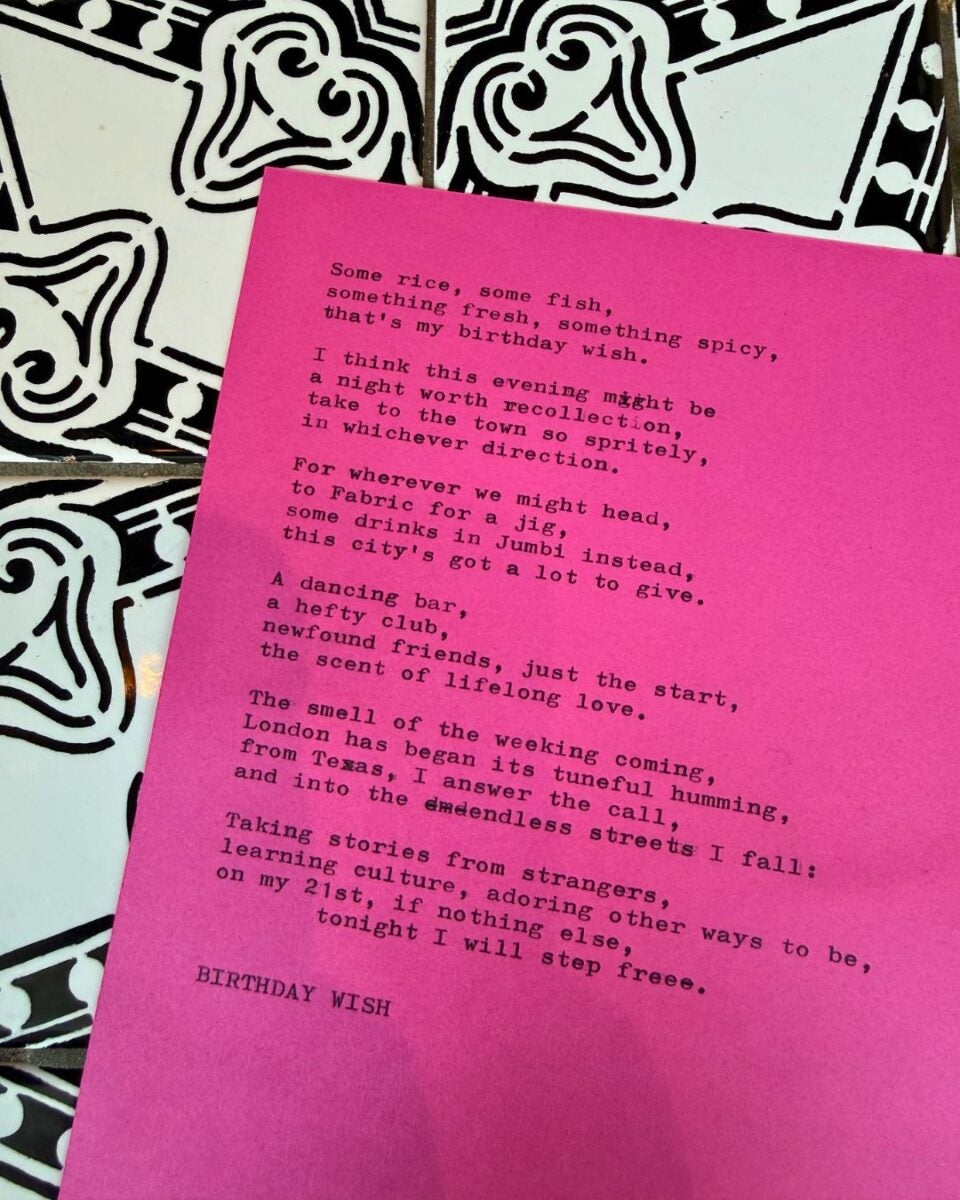
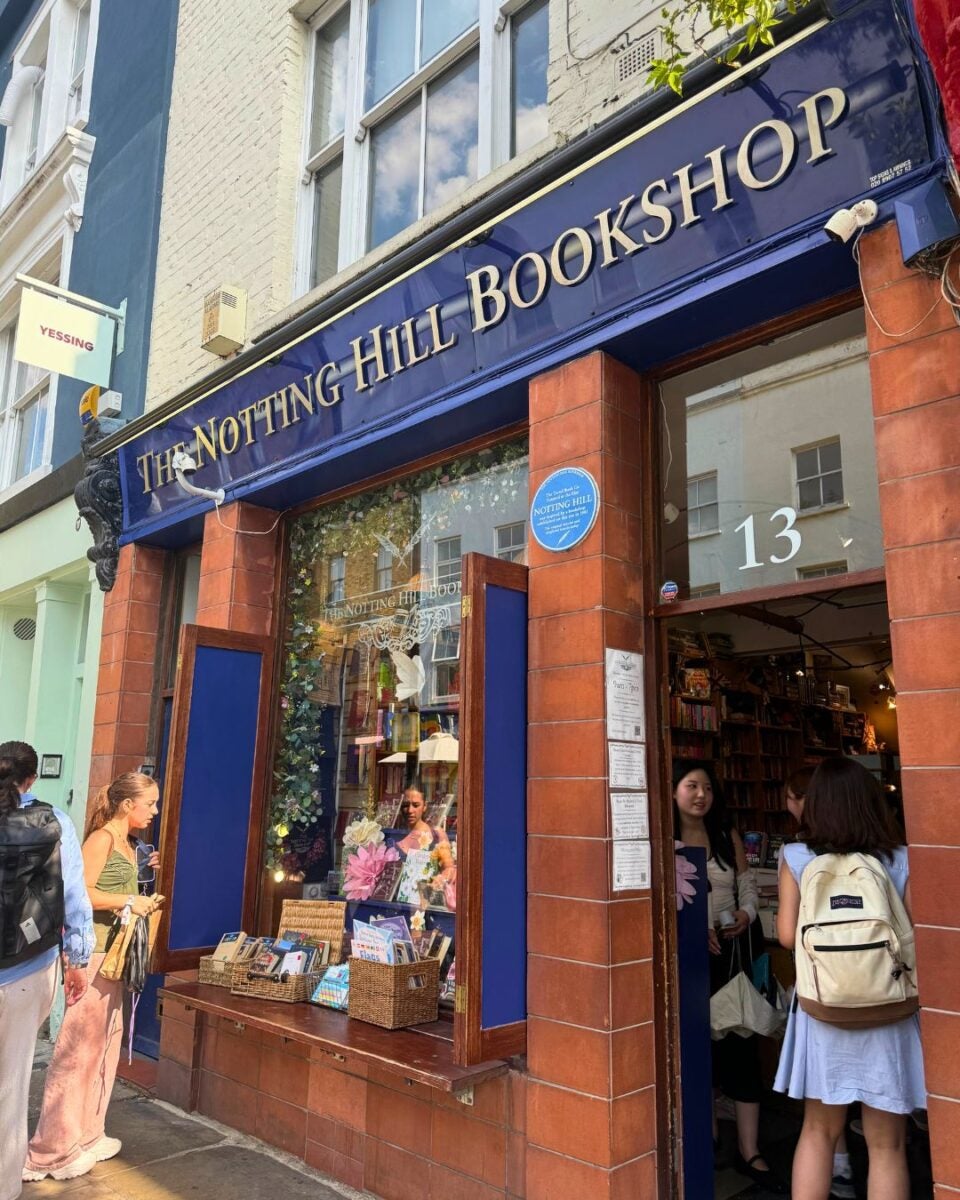
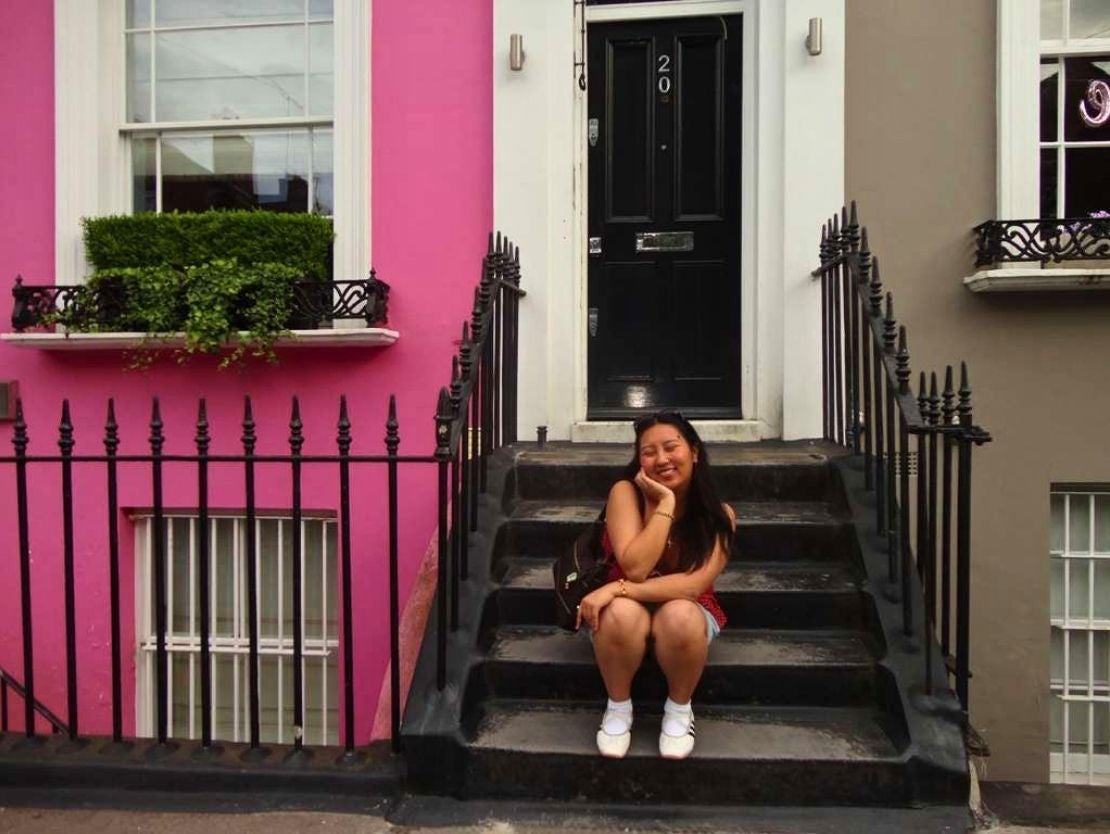
Once I stopped treating solitude like something to be avoided, London completely transformed. In the weeks that followed, I began carving out time for my own adventures: having a poem written for me on my 21st birthday at Portobello Road; enjoying dinner with the Italian nonnas at La Mamma Mia in Notting Hill; and traveling to the countryside to visit the Hundred Acre Wood and Pooh Corner.
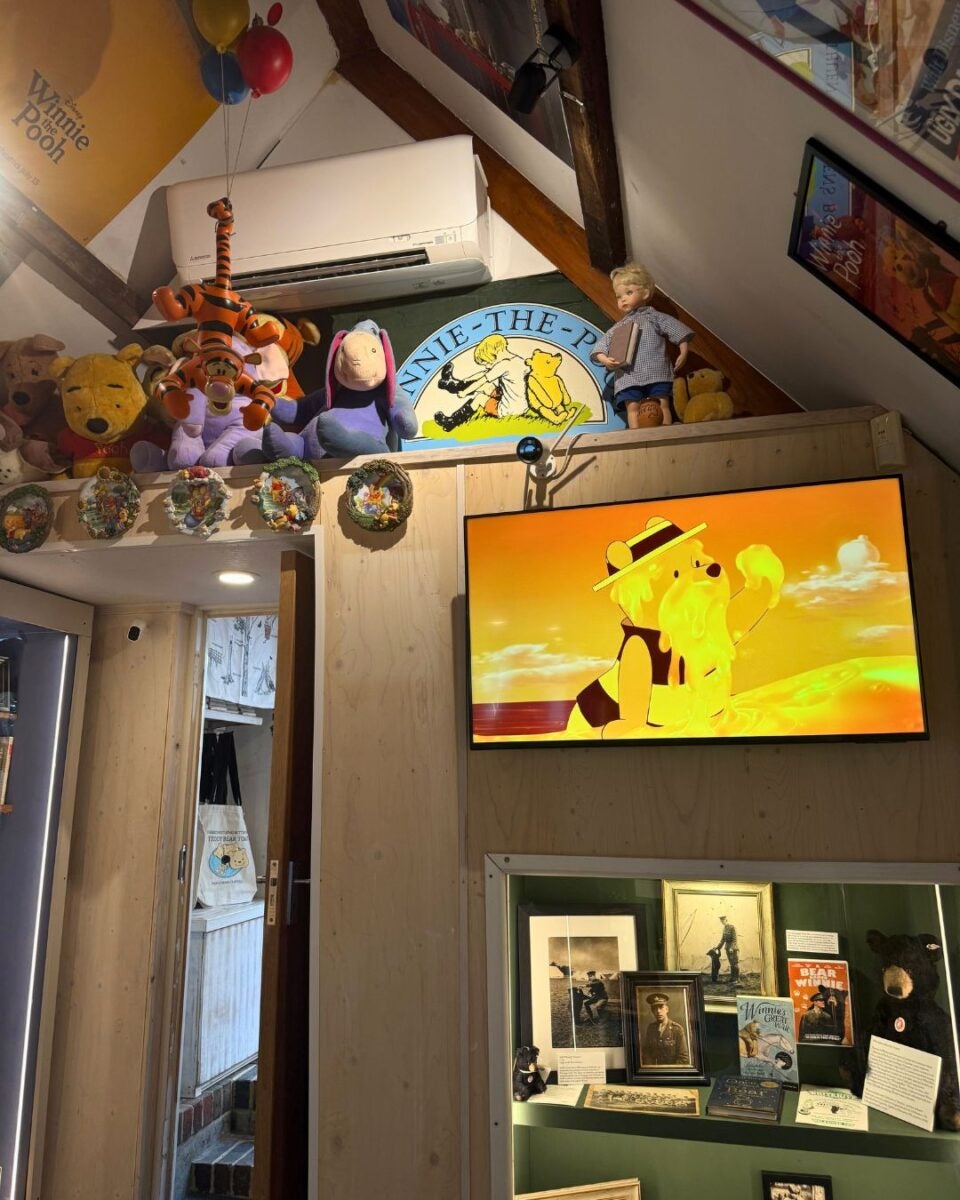
The once-unfamiliar city stopped feeling like an intimidating bucket list full of boxes I felt anxious about checking off and instead started feeling like a second home.
As I became more secure in my own company, my relationships with others shifted as well. For so long, I tended to filter what I said, acting overly agreeable or becoming someone I believed others wanted me to be just to fit in. But as I became more confident and comfortable being on my own, the desperate need to “belong” I initially held onto started to disappear.
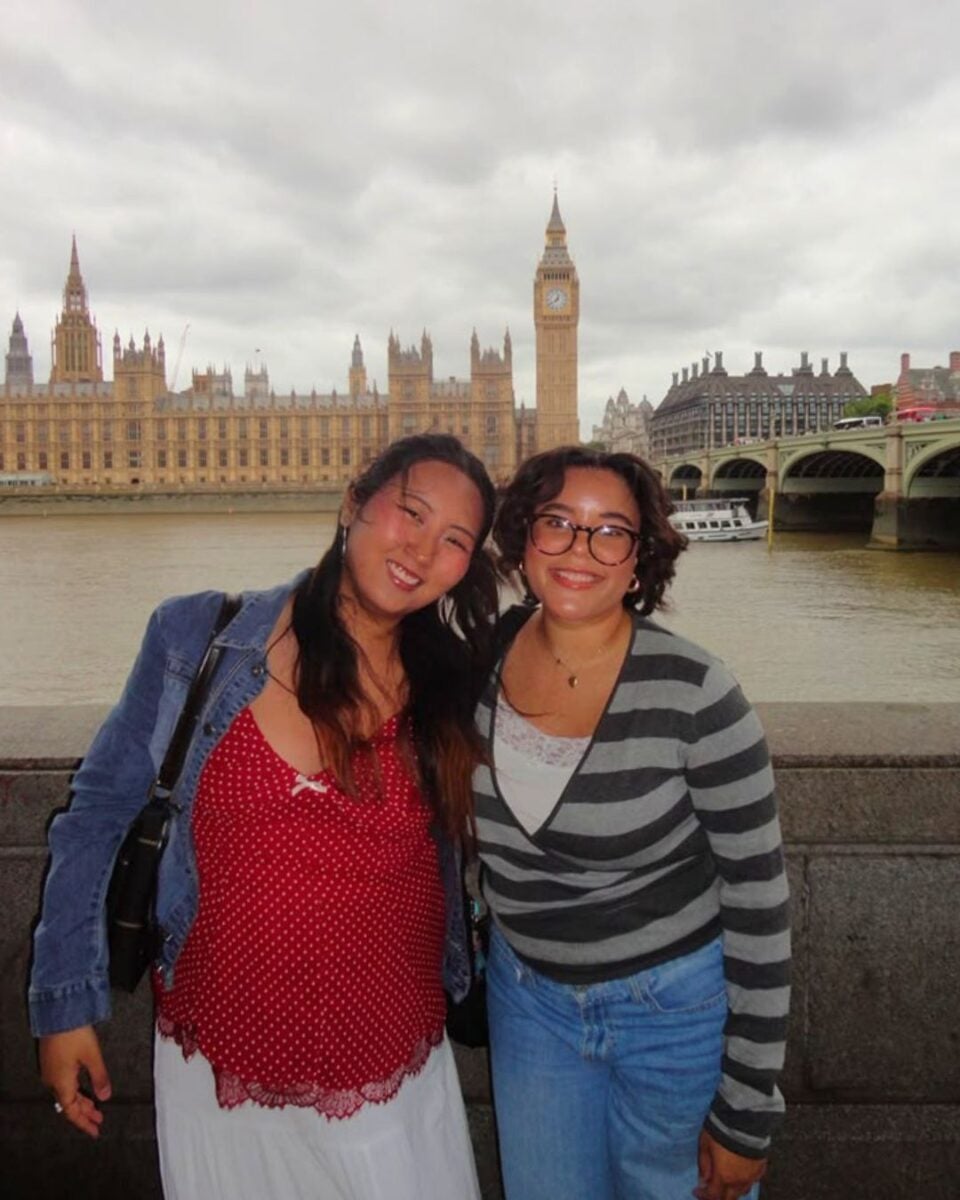
I started expressing myself, authentically talking freely about my actual interests and preferences without fear of judgment. I branched out beyond my immediate flatmates, making genuine connections with classmates who soon became my sources of comfort throughout the trip. I was no longer seeking company out of a fear of being alone; I was seeking company because of the genuine joy I felt when we were together.
If you’re preparing to study abroad and find yourself terrified of doing things on your own, my best advice is to embrace the discomfort. Step onto that train, book that solo museum ticket, and sit at that café table by yourself. You might just find that the most valuable relationship you build abroad isn’t with a new friend group or a foreign city — it’s with yourself.
If I could hop on a plane back to the day I left for London and sit next to my anxious, noise-seeking self, this is what I would tell her: “You’ve always known the world was big and how much you wanted to explore it, but it’s not until you’re on the other side that you realize you have to do parts of it alone. Take that step to explore the world and yourself — not so you can take pictures and check things off for others, but so you can make memories that you’ll never regret.”
Being alone doesn’t mean the end of the world. In fact, in the middle of a bustling city like London, it might just be where you finally find yourself.
This blog was contributed by Samantha Natividad, Global Ambassador for Summer 2026. Samantha is a Moody College of Communication senior participating in the faculty-led program “London Criminals and Correspondents: True Crime Podcasts: How Reporters Protect Their Mental Health” in London, England.