

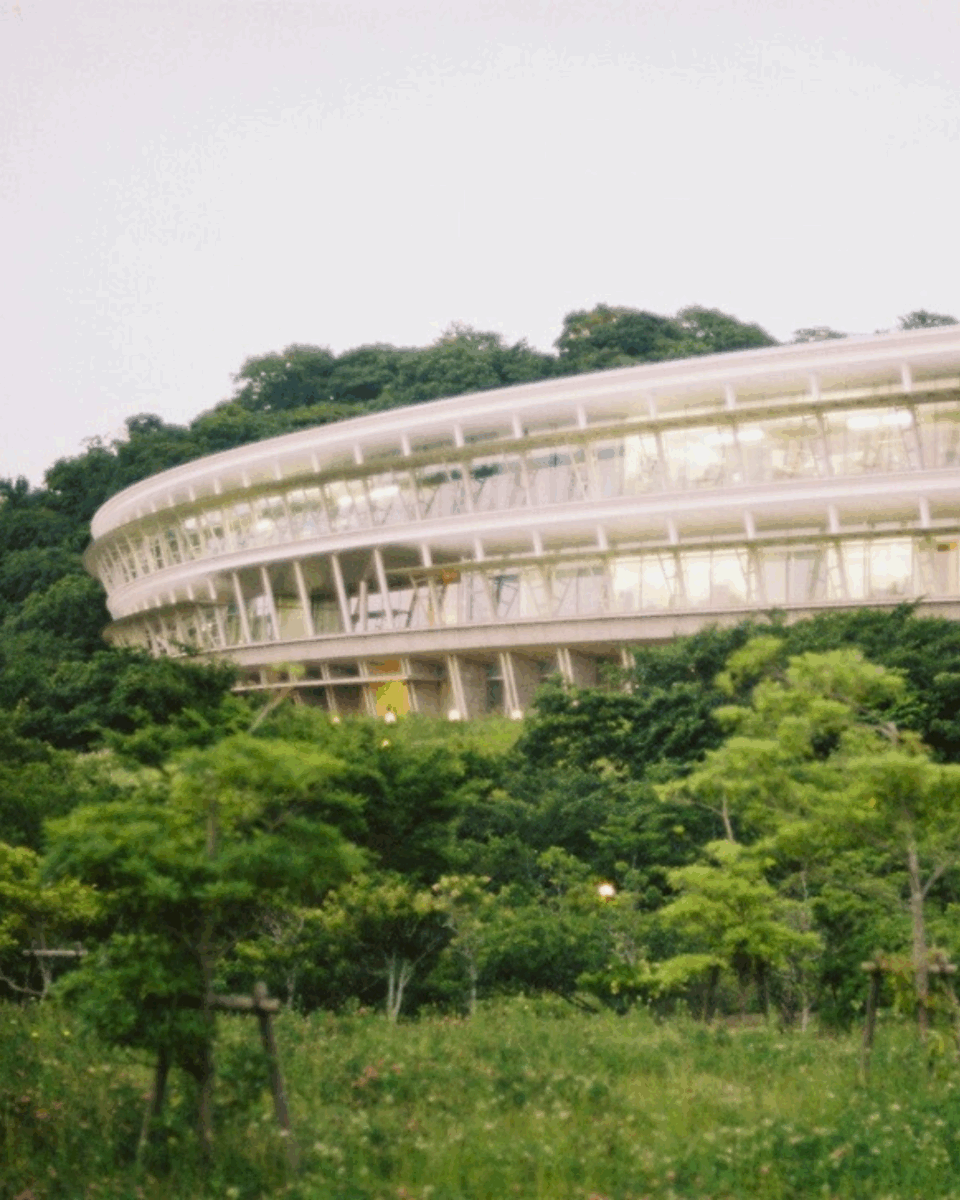
My first week in Japan, I lived alone in an office building that looked like a spaceship on top of a hill in a forest. I arrived as an intern for the Institute for Global Environmental Strategies (IGES), an environmental policy research organization in Hayama, Japan. Many people came to the office during the day, but at night, I was alone in the big, empty building.
That first week, I made a point to explore in the evenings—trips to the beach, the grocery store, and figuring out the bus schedule. The next week, a few other interns moved in with me, and I was a little less lonely. But being alone that first week taught me something important: work-life balance still exists when you’re interning abroad.
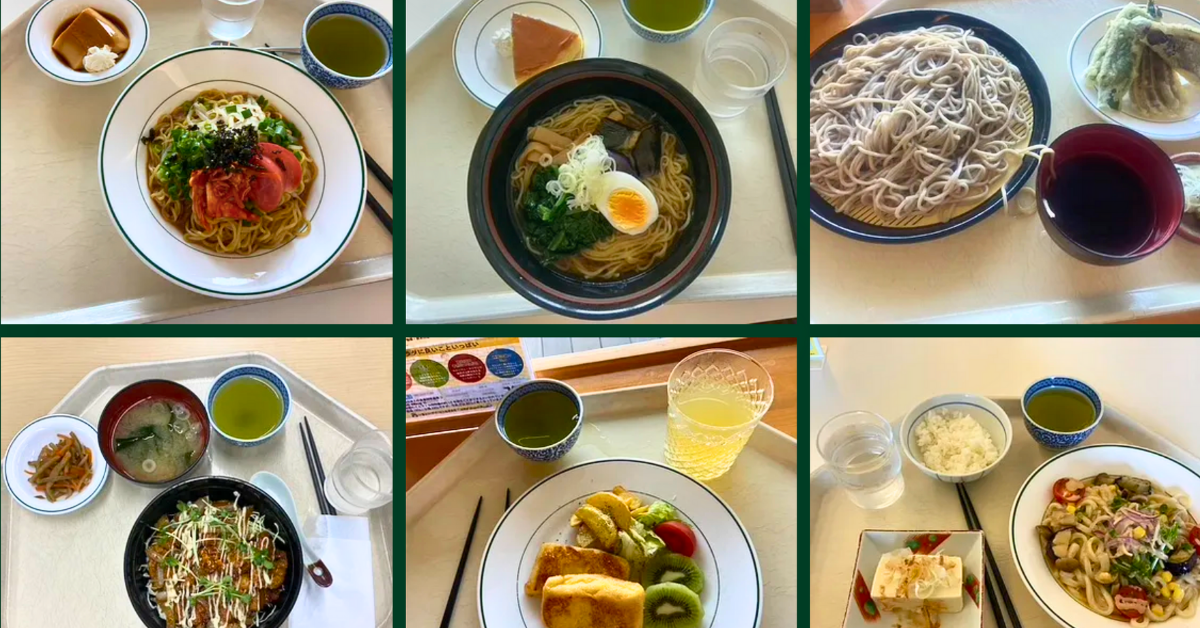
Instead of being a tourist or a student, I get to experience Japan through the lens of the 40-hour workweek. I spend most of my weekdays sitting at a desk, writing research papers, and attending meetings. I eat lunch in a cafeteria with a spectacular chef who makes a variety of delicious Japanese food.
As an environmental science student, I’m lucky to work in my field abroad. IGES works in parallel with Japan’s Ministry of the Environment and drives sustainable development across the Asia-Pacific region. My research focuses on the public health co-benefits of climate strategies, and my colleagues are working on many interesting projects — from nature-based solutions to sustainable waste practices.
While I love my job, being in Japan has been just as much about the time I’ve spent outside of work. This means evenings and weekends are key. I’ve found peace in falling into routines here — going on evening runs followed by watching the sunset, making quick visits to the beach after work, playing piano, and practicing my Japanese.
While I enjoy the hustle and bustle of visiting Tokyo and the energy of city life, living in a quieter area has taught me to slow down and appreciate the small things. On weekends, I enjoy wandering around new areas and embracing the unexpected.


Last weekend, I participated in a tea ceremony at the last minute — I ended up making matcha and wearing a kimono, which has been one of my favorite experiences so far. A few weeks ago, I went to an onsen, or bathhouse, which pushed me outside of my comfort zone. Other weekends, I’ve explored the area around Mount Fuji, attended the World Expo in Osaka, and wandered through Tokyo’s city streets.
Living and working abroad in Japan has taught me so much — how to manage my time, how to stay in touch with friends and family with a 14-hour time difference, and how to embrace new experiences and change.
As I approach my last few weeks working in Japan, I want to soak up every big and small moment. I’ll embrace what will probably be the only time in my life that I get to live in a spaceship on a hill, with Mount Fuji outside my window.
This post was contributed by Fiona Wyrtzen, a Merryman Revell Scholarship Awardee. Fiona is a College of Natural Sciences senior completing a Global Career Launch internship in Japan.



I really enjoyed reading about your experience, Fiona! It’s inspiring how you balanced work and exploring Japan at the same time. I especially liked the part about finding peace in routines and slowing down in a quieter area—it shows that work-life balance is possible even abroad. Your tea ceremony and onsen experiences sound amazing too!
Really interesting perspective on how Japanese work culture approaches the boundary between professional obligations and personal time. The concept of “kuuki wo yomu” (reading the atmosphere) creating invisible pressure to stay late resonates with research I’ve been looking at on how implicit expectations drive burnout across different industries globally.
What’s fascinating is that the burnout mechanism you’re describing — where cultural norms make it difficult to set boundaries — has a structural parallel in service industries worldwide. In hospitality and food service, for example, staff often can’t set boundaries not because of cultural pressure but because the work itself is interrupt-driven. A server or manager who gets pulled away from their tasks every few minutes to answer phone calls experiences the same erosion of autonomy and control that contributes to burnout in Japanese workplaces, just through a different mechanism.
Some researchers are now distinguishing between “cultural burnout” (norm-driven overwork like what you observed in Japan) and “structural burnout” (where the design of the work itself prevents focused engagement). The interventions are different for each — cultural burnout needs norm changes, while structural burnout needs system redesign to remove the specific interrupt sources. Phone-based interruptions in particular have been identified as one of the most impactful stressors in service roles, and the data on how they compound throughout a shift is worth exploring.
Thanks for sharing this cross-cultural lens on work-life balance — it adds useful context to the broader burnout conversation.