Japan can feel like it is always moving forward. The packed morning trains, crowded crosswalks, and tightly filled schedules create a rhythm where stopping can almost feel like falling behind. There is an energy to it that is exciting, but also overwhelming at times, especially for someone still learning how to move through it. To someone unfamiliar with the pace, it can even feel suffocating, as if the city is constantly asking you to keep up.
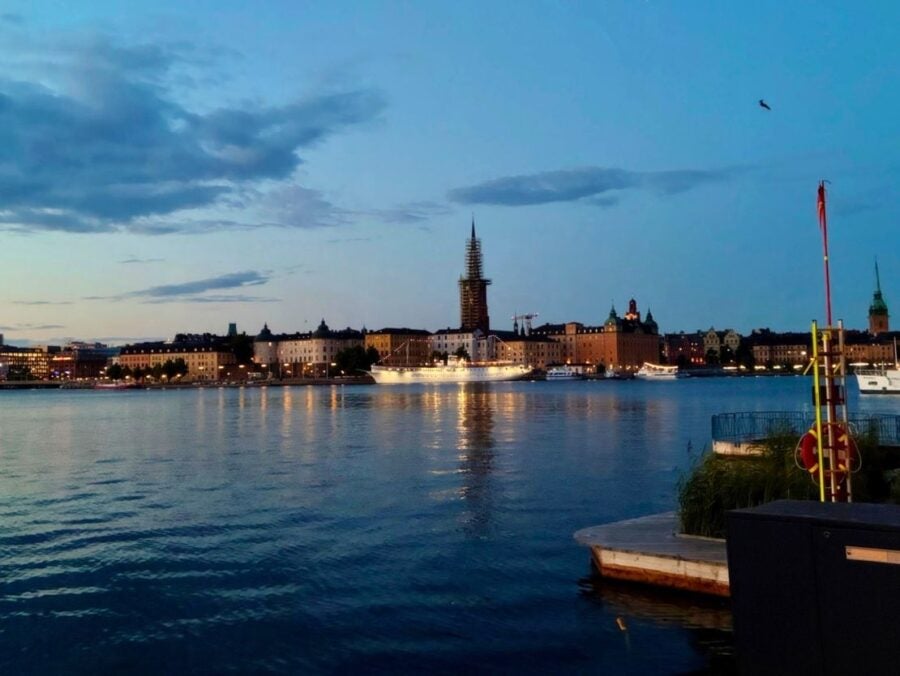
Since coming here, I’ve found myself reaching for my camera more often. At first, I carried it because I wanted to remember the big moments: the first few walks through Tokyo, the cherry blossoms in spring, the crowded streets filled with tourists and locals alike running across Shibuya Scramble. Over time, though, taking photos became less about documenting where I had been and more about paying closer attention to where I was.
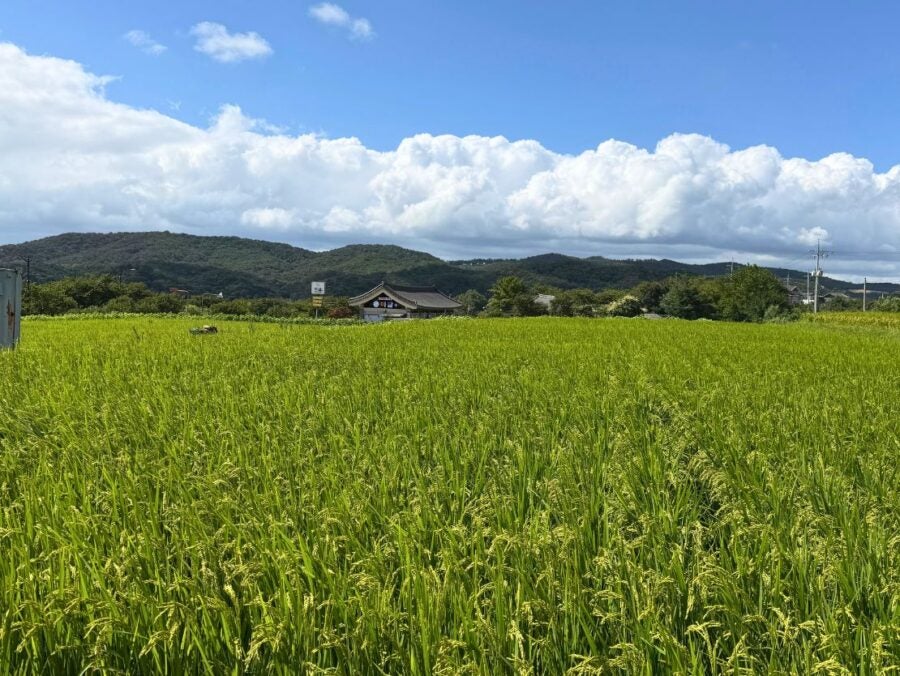
Holding a camera changes the way I move through a place. I walk a little slower, I look up more often, I notice the curve of a side street, the reflection of neon signs after rain, the way Sakura petals collect near a curb, or the quiet expression of someone waiting for the train. In a country that can feel constantly in motion, photography has helped me find stillness.
In the Details
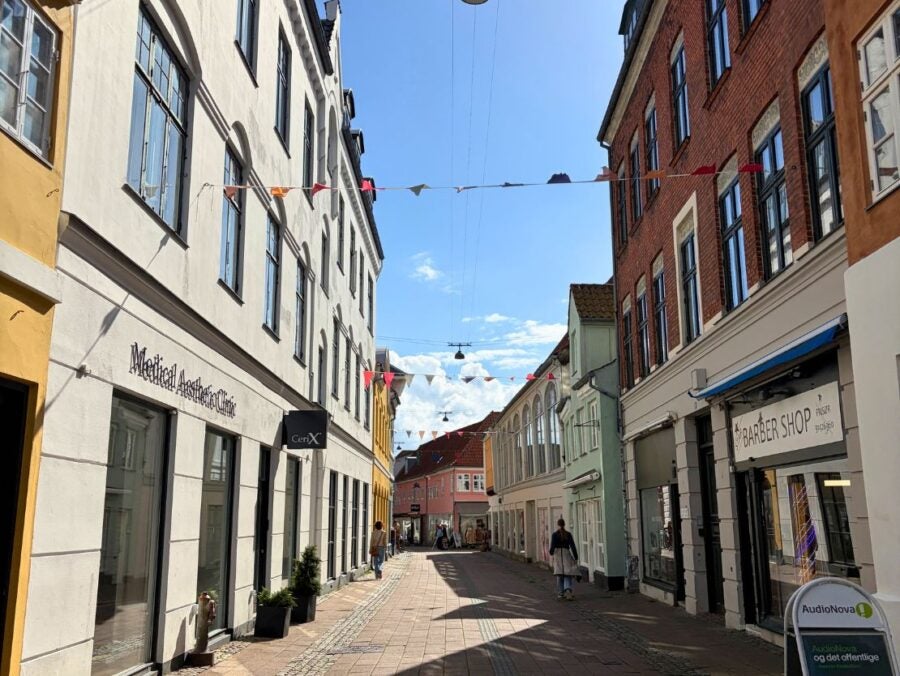
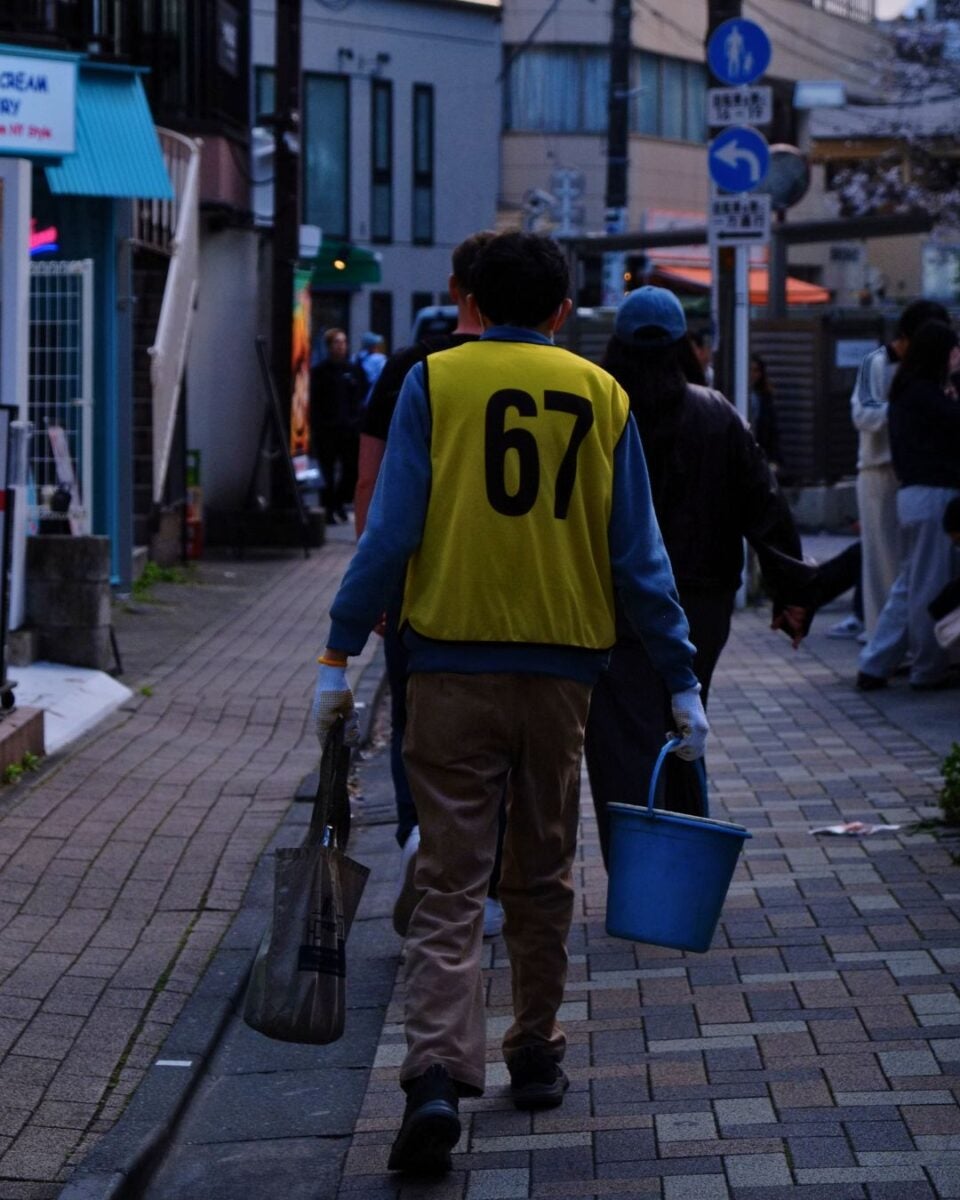
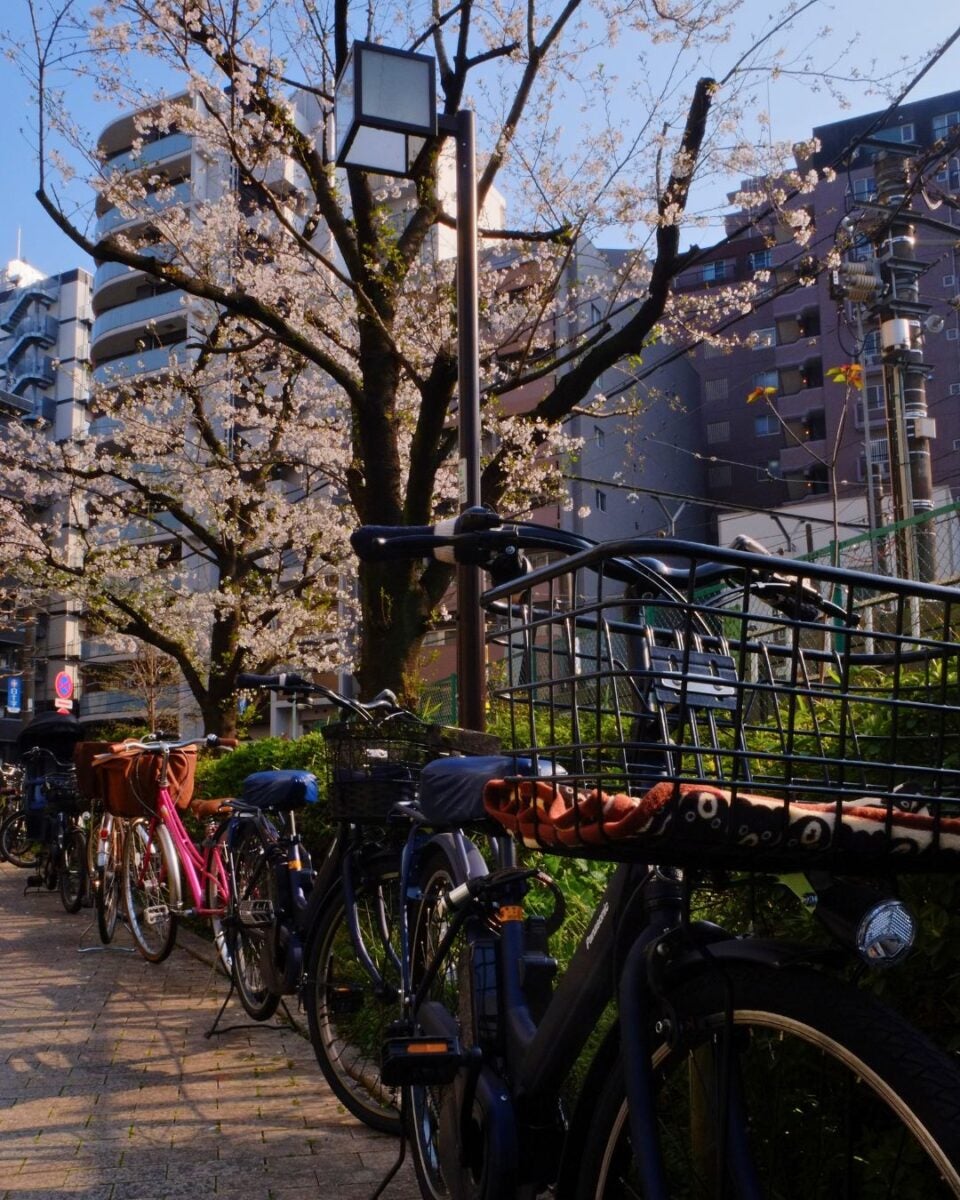
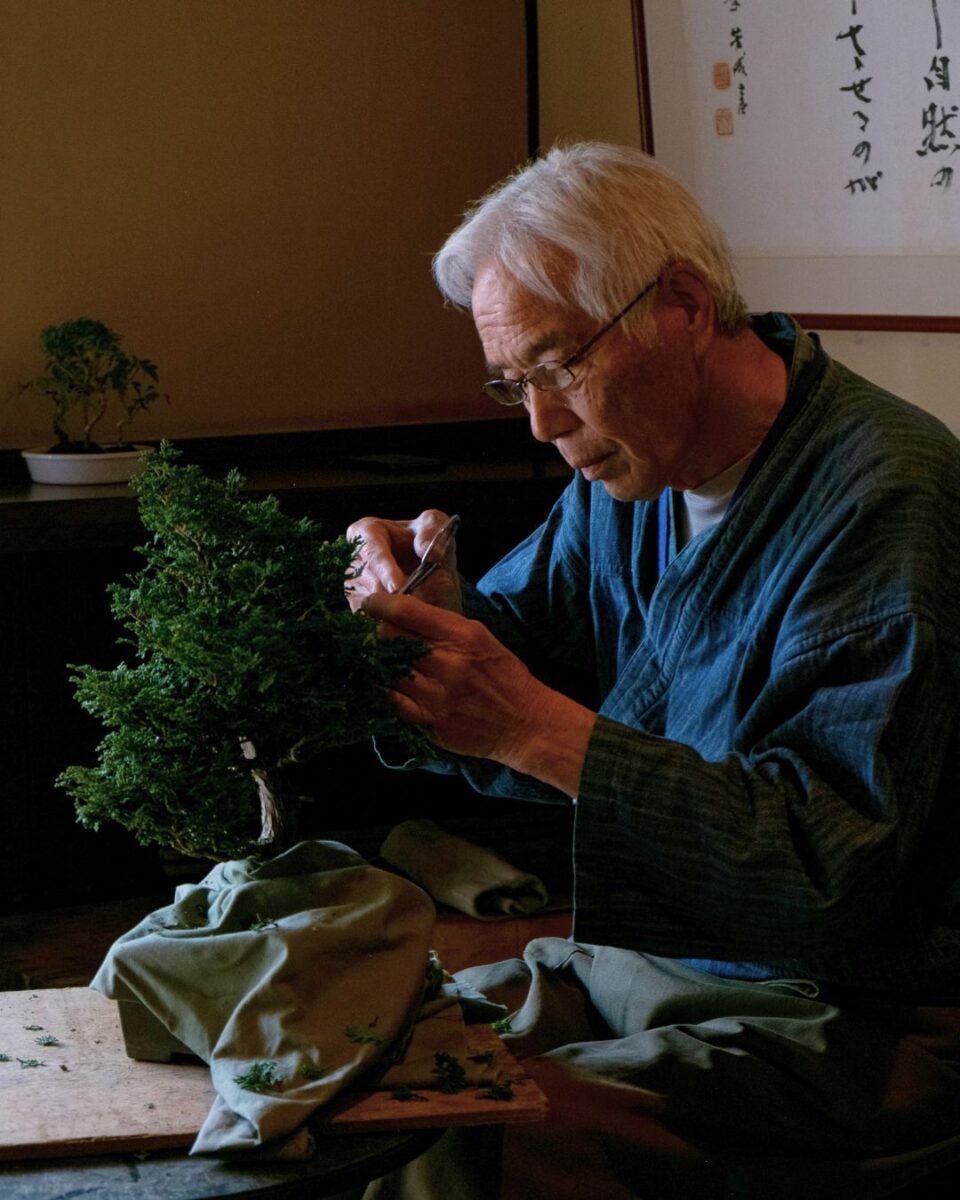
Some of my favorite memories in Japan have come from small, ordinary scenes. A row of bicycles outside a station. Lanterns swaying above a narrow alley. A vending machine glowing on an empty street. The old man flipping the takoyaki balls (Japanese savory street food made of a wheat flour-based batter) in his street stall late at night. These are the kinds of things that are easy to pass by when the day is filled with a list of checkboxes.
Taking photos has made me more attentive to the everyday scenes I might have passed by before. A quiet storefront, a crowded train platform, a shared meal, or a narrow street at sunset can reveal just as much about a place as its most famous landmarks. These moments feel different from the perspective of a resident rather than a tourist. Instead of rushing from one destination to the next, I have the privilege of returning to the same streets, noticing small changes, and slowly building routines in a place that once felt unfamiliar. That kind of attention is only possible because studying abroad has allowed me to stay in Japan long enough for it to become part of my daily life, even if temporarily. It has helped me see that a city’s character is shaped not only by the places people travel to visit, but also by the ordinary details that people live beside every day.
Sakura Season
Sakura season made this feeling even stronger. Before coming to Japan, I understood cherry blossoms mostly through photos, postcards, and the way they are often used to represent spring. Seeing them in person felt different. They were beautiful, of course, but their beauty was only part of what made them meaningful.
At Yoyogi Park, the Sakura seemed to bring everyone together. Under the trees, vast seas of blue blankets stretched across the ground as friends, families, classmates, coworkers, and strangers gathered to eat, talk, laugh, and spend time with one another. In a society where people can often seem more reserved in public, the cherry blossoms created a rare, shared space. For a short time, the park felt open, lively, and connected.
That made me realize that the value of the Sakura does not come only from the flowers themselves. It also comes from what they make possible. They give people a reason to pause, gather, and appreciate the same fleeting moment together. Even in the middle of a busy city, the blossoms create a kind of temporary community.
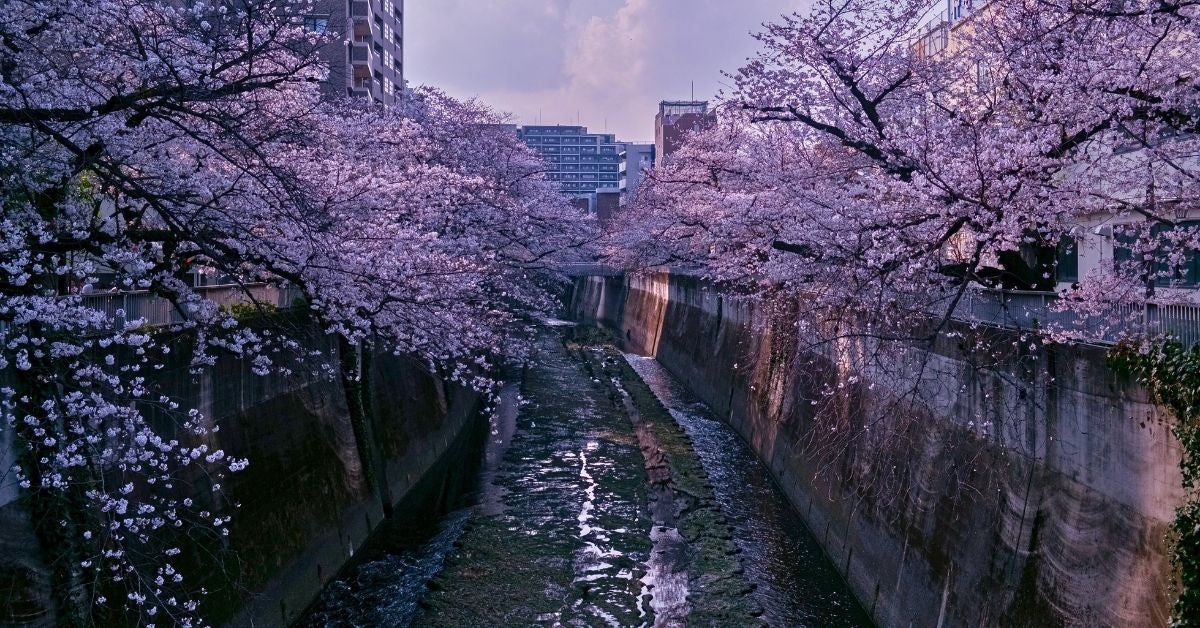
Photographing them also made me notice how quickly they changed. At first, the flowers were soft and bright, filling the trees with pale pink and white. Then the petals began to wilt, fall, and scatter across the grass, sidewalks, rivers, and train platforms. Almost suddenly, the branches that had been covered in blossoms turned green. It felt like the season disappeared in the blink of an eye.
That shortness made every walk feel more meaningful. Sakura season reminded me that beauty is often tied to time. The flowers matter because they do not last forever, and the moments around them matter for the same reason. Each photo became a way of holding onto something that was already changing.
Looking Closer in the Future
I’m writing from Osaka right now for Golden Week (a Japanese holiday), and being here has reminded me how much of Japan I still have left to see. Every place seems to move differently. Osaka has a balance I really enjoy. It offers quieter neighborhoods on the outskirts, where the streets feel calmer and more local, and places like Dotonbori, where the city becomes bright, crowded, and full of energy.
Being in a new city has also reminded me why I want to keep traveling with my camera. I want to visit more parts of Japan, not only to see the famous places, but to understand the feeling of each area: how people talk, what the streets look like, what food they are proud of, and what small details make that place feel distinct.
As my Japanese improves, I also hope to connect more with the people I meet along the way. Even simple conversations can make a place feel more personal. Asking for a recommendation, talking to someone at a shop, or stumbling through a sentence and being understood can turn an ordinary moment into something memorable.
For the rest of my time here, I want to keep following that feeling. I want to slow down, take the side streets, notice what changes from city to city, and appreciate the moments that are easy to overlook. My camera has helped me see Japan with more care, and I hope the photos I take reflect more than where I went. I hope they show how it felt to be here.
This blog was contributed by Nicholas Nguyen, Global Ambassador for Spring 2026. Nicholas is a College of Natural Sciences junior participating in an exchange program at Waseda University in Tokyo, Japan.