Did you know that Spain has been inhabited since the Paleolithic era? Spain has a long and incredibly rich history encompassing massive shifts in kingdoms, religions, and culture. This has shaped the nation’s cultural identity and left fascinating relics all throughout the country, making for excellent day-tripping potential. The best part is that Spain has an incredible transportation system that makes it easy and affordable to visit a plethora of cities.
The first step of day-tripping is finding transportation. Spain is large, and some distances are most conveniently covered by plane. But, for many middle-distance trips, trains are by far the cheapest and most convenient option. Spain’s Renfe train service offers extensive services throughout the country. For shorter distances, buses are also an excellent option.
The ALSA bus service offers a diverse array of destinations, with tickets available for pre-purchase online. Many local lines operate short-distance services with tickets purchasable on board as well. Navigating public transportation systems can be intimidating, but it unlocks a world of adventure.
Next, it’s time to create an itinerary. I like to start with some initial research using travel blogs and Lonely Planet articles. After getting an idea of the major cultural attractions I’m interested in, I look for things related to my own interests, like fun vintage stores and local markets. I also research traditional foods and recommended restaurants.
Once I’ve a complete list of all my “must-do” activities, I plug everything into Google Earth and map out a safe and efficient walking route. This helps me know whether I will need to use the local metro or bus system, and it really helps me feel safe in a new city, especially when I am alone.
Finally, I make sure each place I want to visit is open and check whether a reservation is required. I always look for student discounts and make sure I know which tickets and identification I need to bring. Some big attractions require a passport for identification, so it is important to be prepared.
Once you understand how to travel, you must figure out where to go! In Spain, Madrid and Barcelona are the standard go-tos, but there is so much more to see. During my six weeks in Spain, I visited:
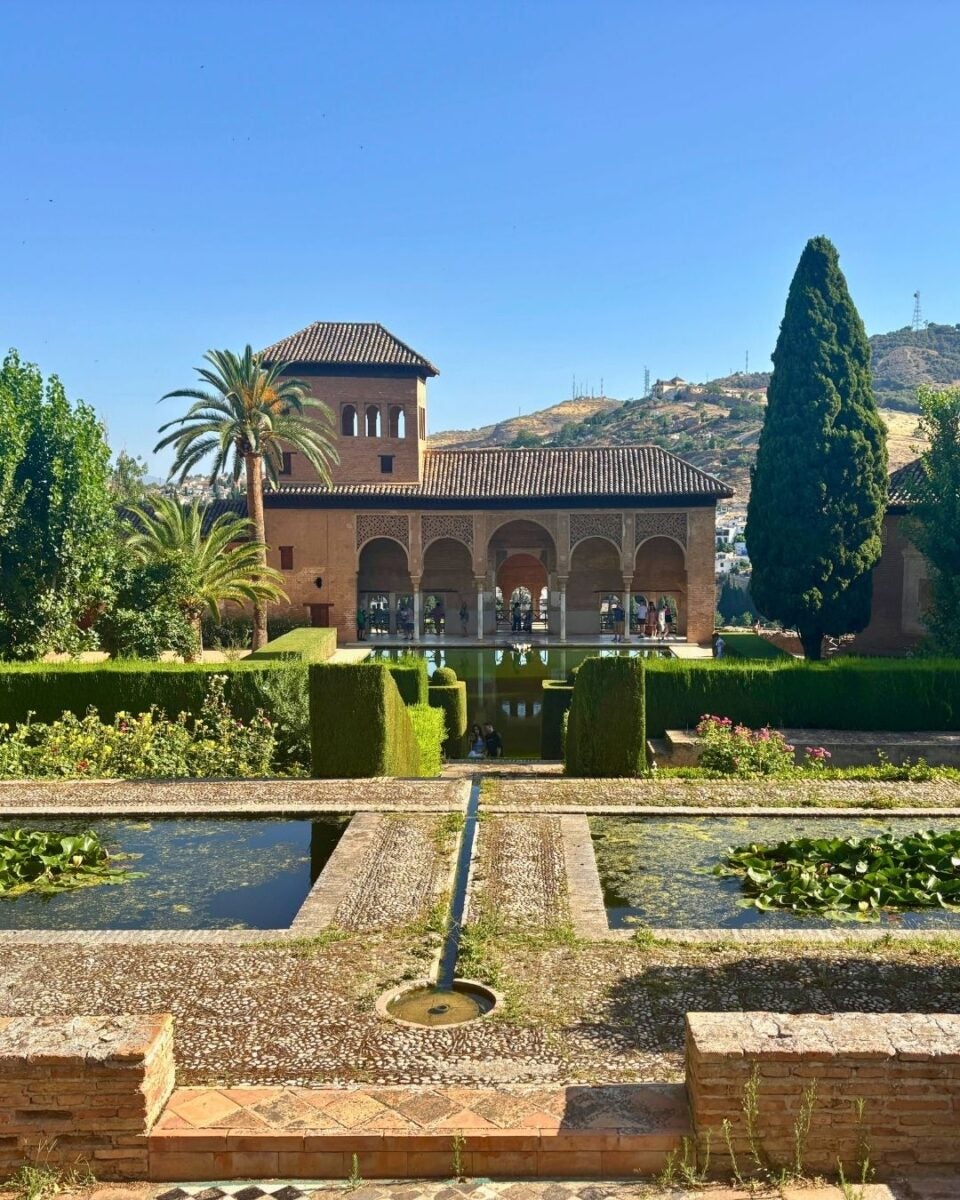
- Granada: Where I toured the breathtaking grounds and imposing fortress of the Alhambra, wandered through the whitewashed buildings and cobblestone roads of the Albaicín, and saw a flamenco show in a Sacramonte cueva.
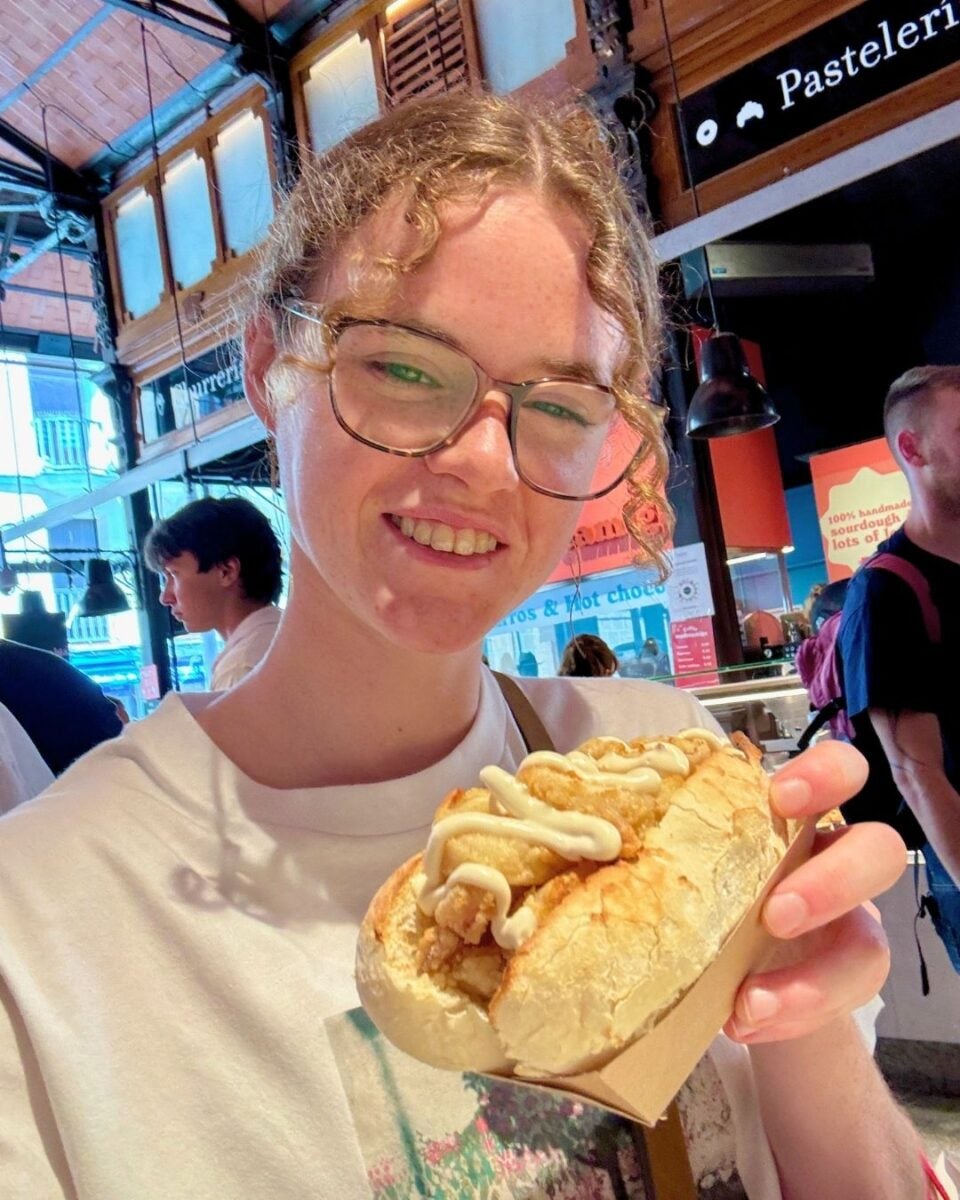
- Madrid: Where I spent hours lost in the Prado, admired the gilded walls of the Monasterio de las Descalzas Reales, and ate a delicious bocadillo de calamares in el Mercado de San Miguel.
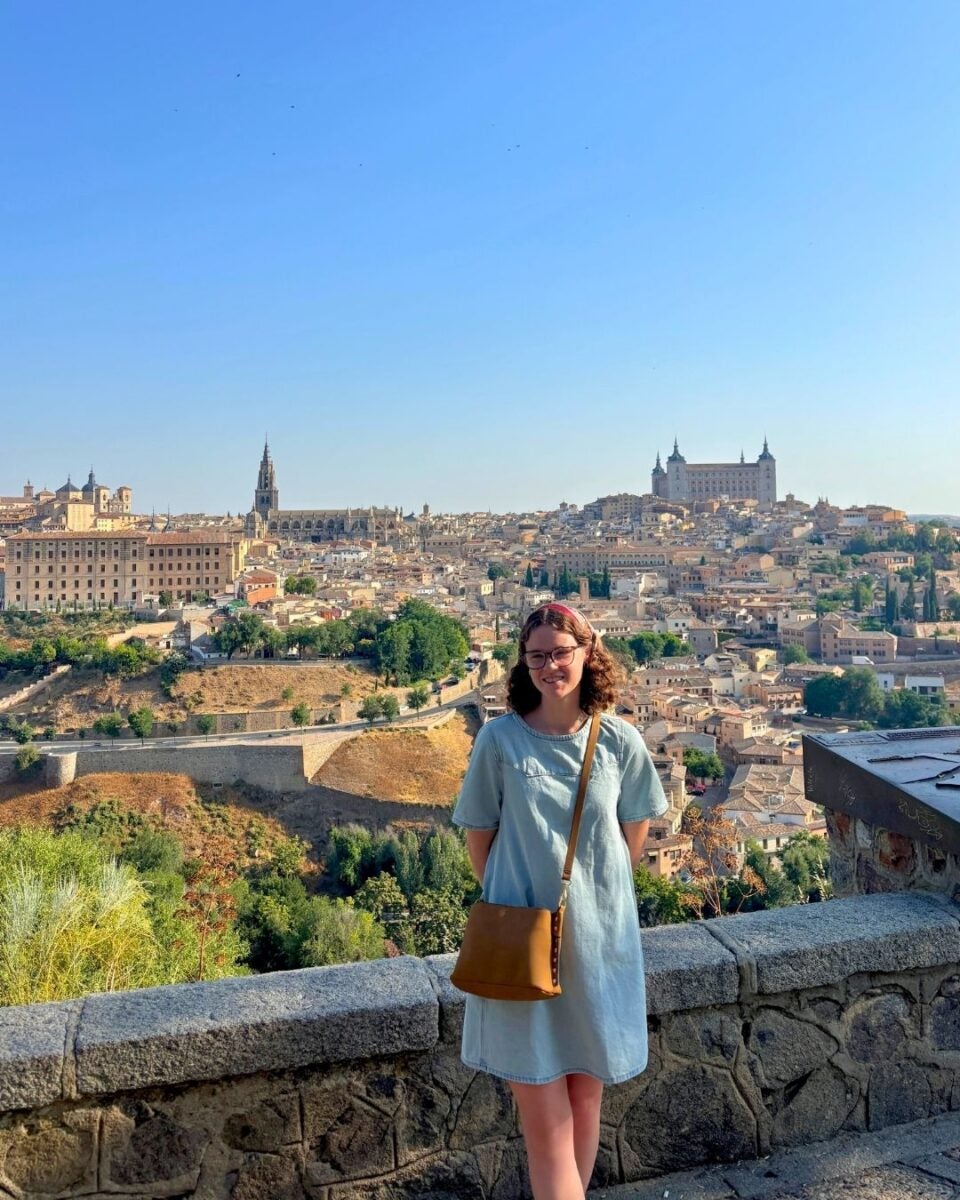
- Toledo: Where I hiked up the Mirador del Valle, visited the Catedral Primada and la Mezquita Cristal de la Luz, and purchased a perfectly crafted marzipan orange.
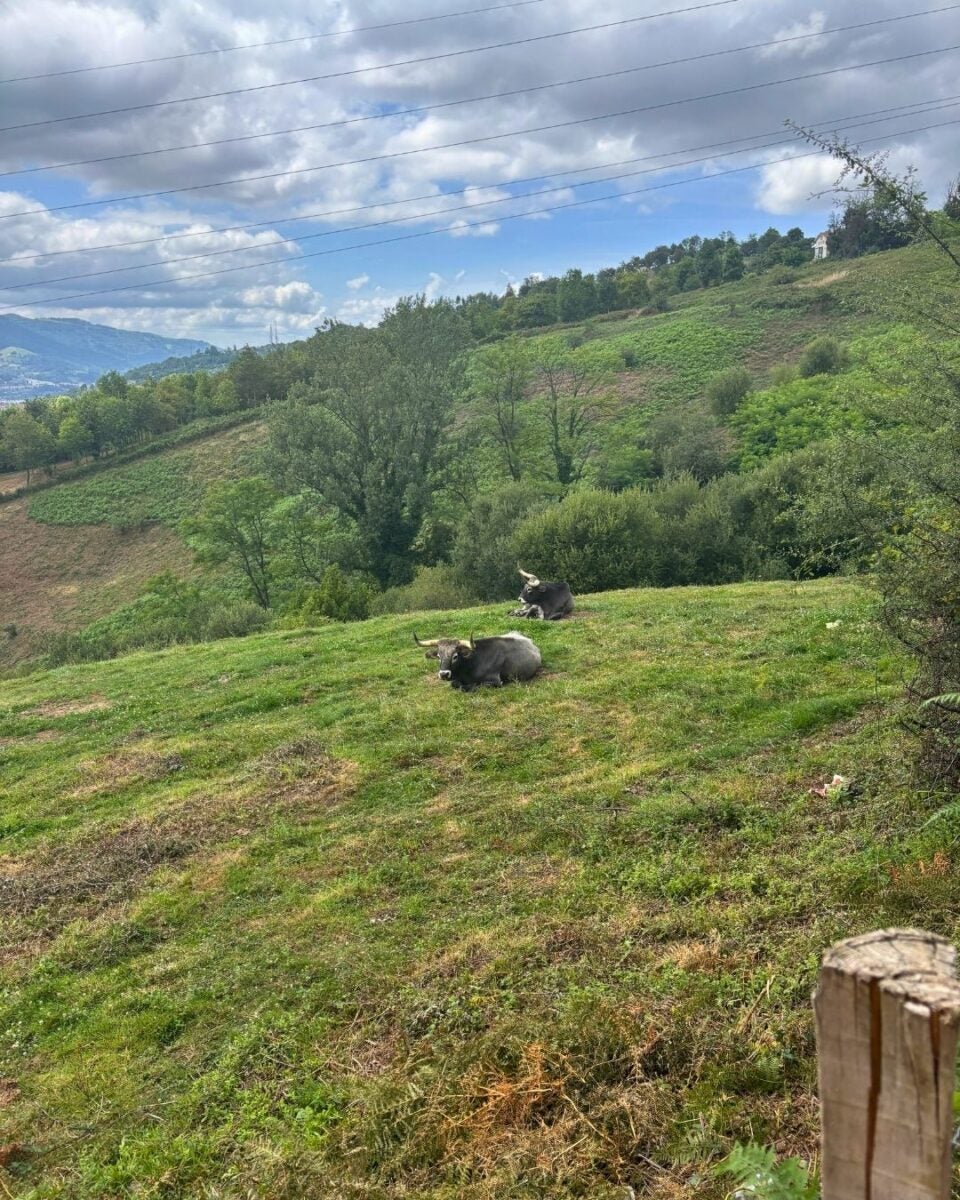
- Bilbao: Where I wandered through steel labyrinths in the Guggenheim, took the funicular to the top of Mount Artxanda, and saw several toros resting in a field.
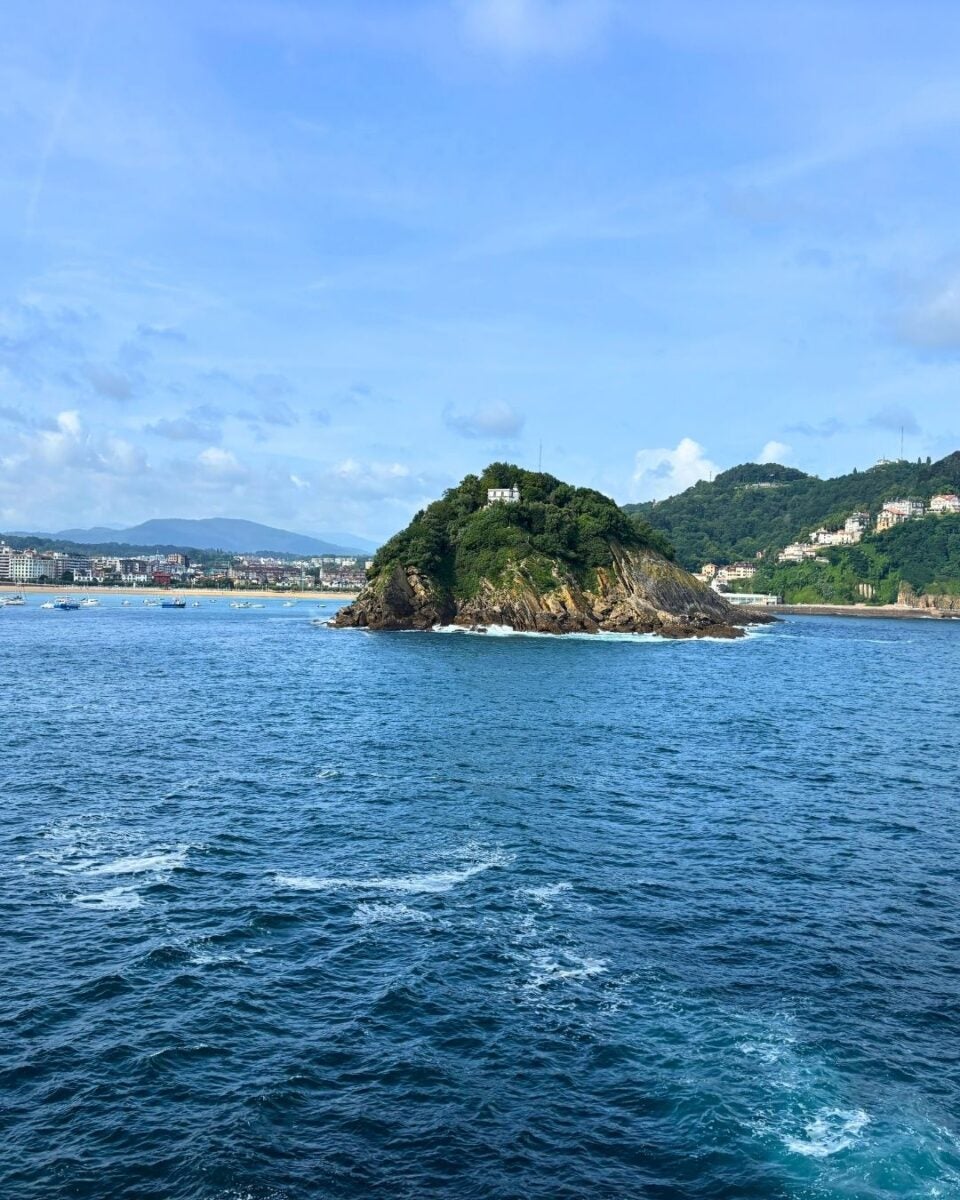
- San Sebastian: Where I basked on the unbelievably gorgeous beach, climbed Mount Urgull, and tried the legendary Basque cheesecake.
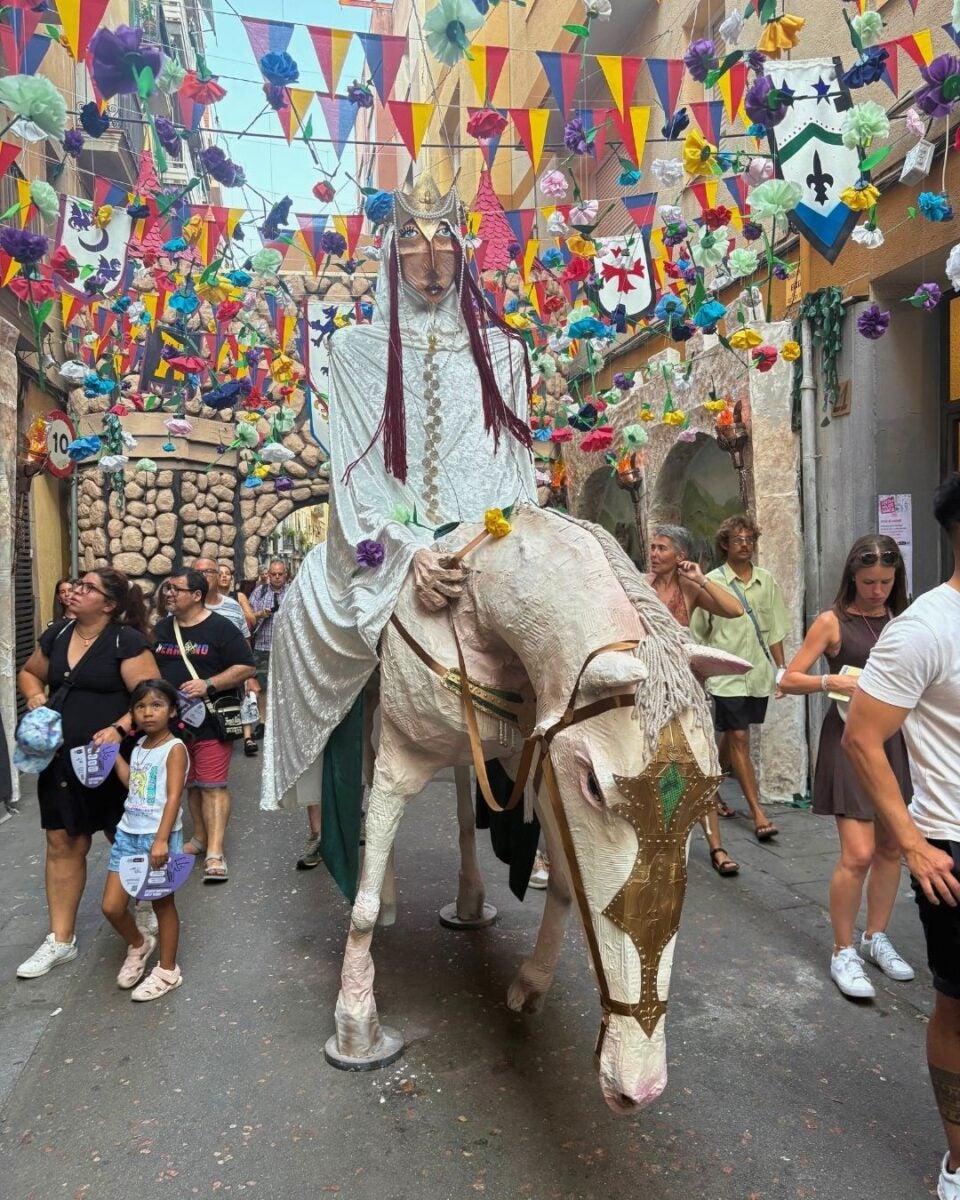
- Barcelona: Where I scouted surrealist Gaudís, ascended the tower of the Sagrada Familia, and explored the elaborately decorated streets of the Festival Mejor de Gracias.
- Santillana del Mar: The home of paleolithic cave paintings, where I saw gorgeous medieval architecture and ate delicious “quesada” (traditional Spanish cheesecake).
- Cabezón de la Sal: Which was having a village festival to celebrate the bulls that had folk music and dance and a market selling locally made sausage and cheese.
- Santander: The location of my study abroad, where I enjoyed the beach, the local businesses, summer festivals, and the palace on the hill.
I visited all of these cities and more in just two months, and each place offered curious sights and new tidbits of history. The day trips I took in Spain were truly some of the most memorable parts of my study abroad experience, and by planning ahead, I was able to keep costs low and avoid missing any school. While the big attractions were cool, many of my most cherished memories occurred in smaller villages around Cantabria. I highly recommend venturing outside of the cities for a few days to see what you can find!
This blog was contributed by Genevieve Furlong, Peer Mentor for Spring 2026. Genevieve is an economics and international relations student who studied abroad as part of the Language & Culture program in Santander, Spain, in Summer 2025.