I distinctly remember my first official day of my program. I walked out of my hotel room after dropping off my bags and walked down the stairs to meet a couple of other students who had arrived earlier. Despite knowing how first-day jitters feel from my first abroad program, I still slowed my breath to calm my nerves.
After the typical “Hello!” “What’s your major?” and “Where are you from?” conversations, we quickly found ourselves at a nearby cafe and shortly after on a walk that would take about two and a half hours along the coastline of the city.
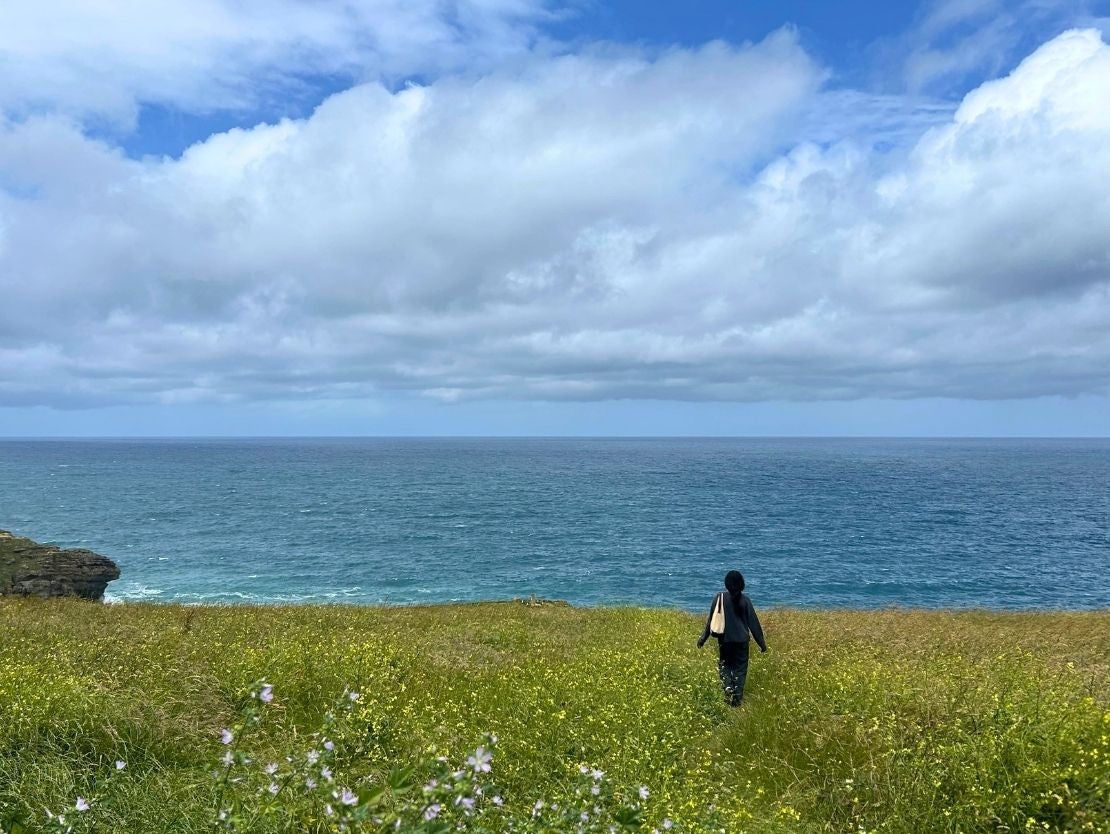
Nearing the end of our trek, we stumbled upon the Puente del Diablo, a stunning natural rock bridge formed on the coast of the Cantabrian Sea. Each step closer to the edge took a lot of courage, but the resulting view was worth the struggle. Who knew this opening experience would become a broader metaphor for my time in Santander, Spain?
When I imagined studying in this city, I envisioned myself walking the beaches, practicing my Spanish, and enjoying occasional weekend trips. While I experienced all of these things, the most memorable things weren’t tied to the places — but to the people. As I near the end of my time here, there are a few lessons that stand out.
Walk Toward People
One of the easiest mistakes to make while studying abroad is staying within the comfort of people you know. While we all come from The University of Texas at Austin, sticking to a couple familiar faces when navigating a new space is easy, but it’s not always the most fulfilling choice.
There was the waiter at one of my friend’s favorite neighborhood bars who gradually became a friendly face after learning he was from Argentina, the country of my first abroad trip.
There was my host family, welcoming me into their home as more than just “a student renting a room.” When I received the devastating news of a close friend passing back home, they comforted me without hesitation, holding me closer knowing that they were the closest thing to family I had here. My new classmates also became an unexpected support system, helping me navigate the loss.
These relationships and gestures remind me that kindness doesn’t require years of familiarity. Sometimes, all it takes is the openness of allowing people into your life.
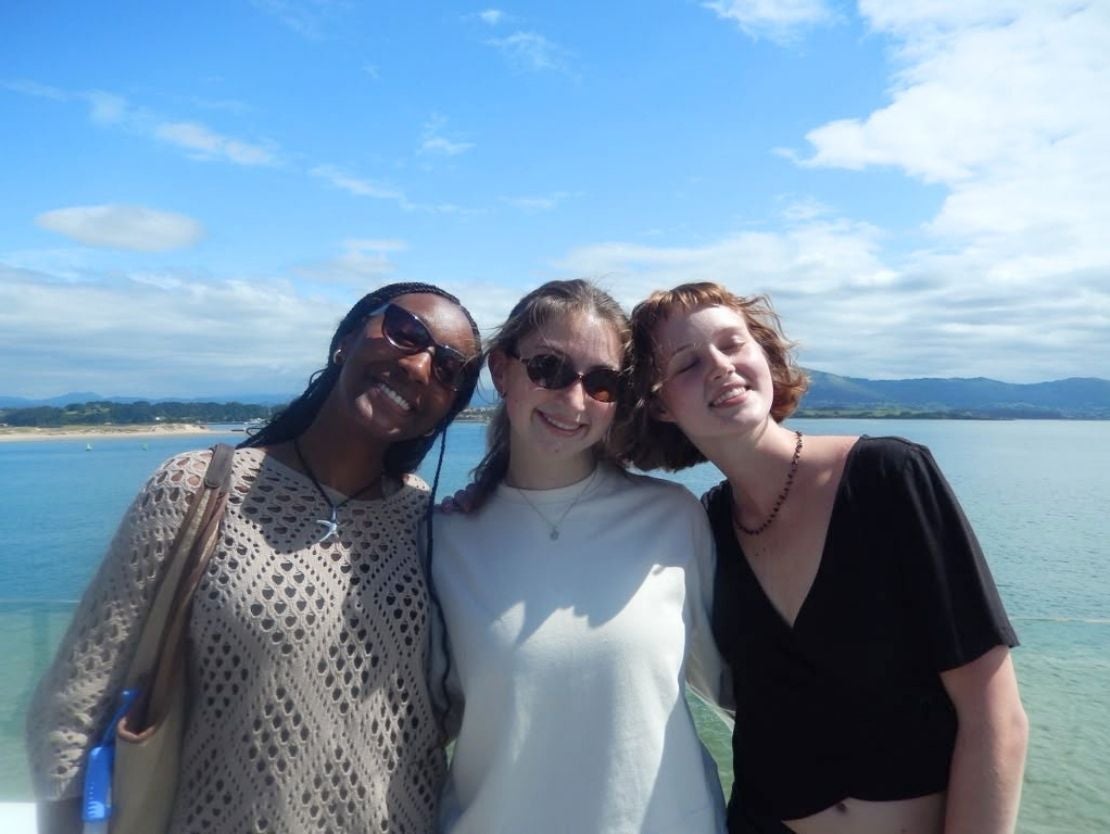
Walk to the Edge of Your Comfort Zone
This is something I wanted to really put into practice during this program. We often hear that we need to do things even if we’re scared, pushing ourselves to take action even if we’re a little nervous. The latter part of that sentiment is to do it alone.
Not every weekend trip will line up with everyone’s schedule. Not every cafe visit or tapas outing will happen with a large group. Especially when navigating a new country, I hesitated to venture out on my own, as I frequently worried that I might feel out of place. However, it was in those moments that I found beautiful memories that wouldn’t have been possible had I continued to wait for the “perfect plan.”
One of the biggest things to unlearn is equating being alone to being lonely. Giving yourself this space allows you to notice your surroundings and grow more into yourself. Some of the most meaningful connections I made happened because I wasn’t surrounded by what was familiar to me.
Walk at a Different Pace
One of the greatest gifts of Santander was the permission to slow down.
As one may assume, the pace of life in the United States is very different from the rest of the world. We are all expected to plan our days around efficiency — eating whenever you get a chance, driving everywhere, and moving from one obligation to another.
From the moment I learned I couldn’t get a full meal at 6 p.m. in Santander (because kitchens are closed until 8 p.m.), I knew I needed to get accustomed to this new rhythm. At first, I saw these differences as mere adjustments I had to make. With time, they became some of my favorite parts of each day.
The slower pace molded the way I experienced Santander. Instead of chasing the next attraction, I found myself returning to the same streets, beaches, and tapas restaurants. The routes became familiar, and so did the faces I saw on them. Nearing the end of the program, I’m no longer navigating an unfamiliar place.
I know the restaurants, the routes, and the routines that make this city feel like another home away from home. At the end of the day, home isn’t always the place you’ve been in the longest. Sometimes it’s the place where you’ve slowed down enough to notice the small parts that are now carried with you.
Para concluir (to conclude), walking to the edge means discovering that what’s waiting for you is more than just a new background on your Instagram. It’s a new community, a new lifestyle, and a new version of yourself that wouldn’t have existed without the push to go outside of what you were comfortable with. So… where to next?
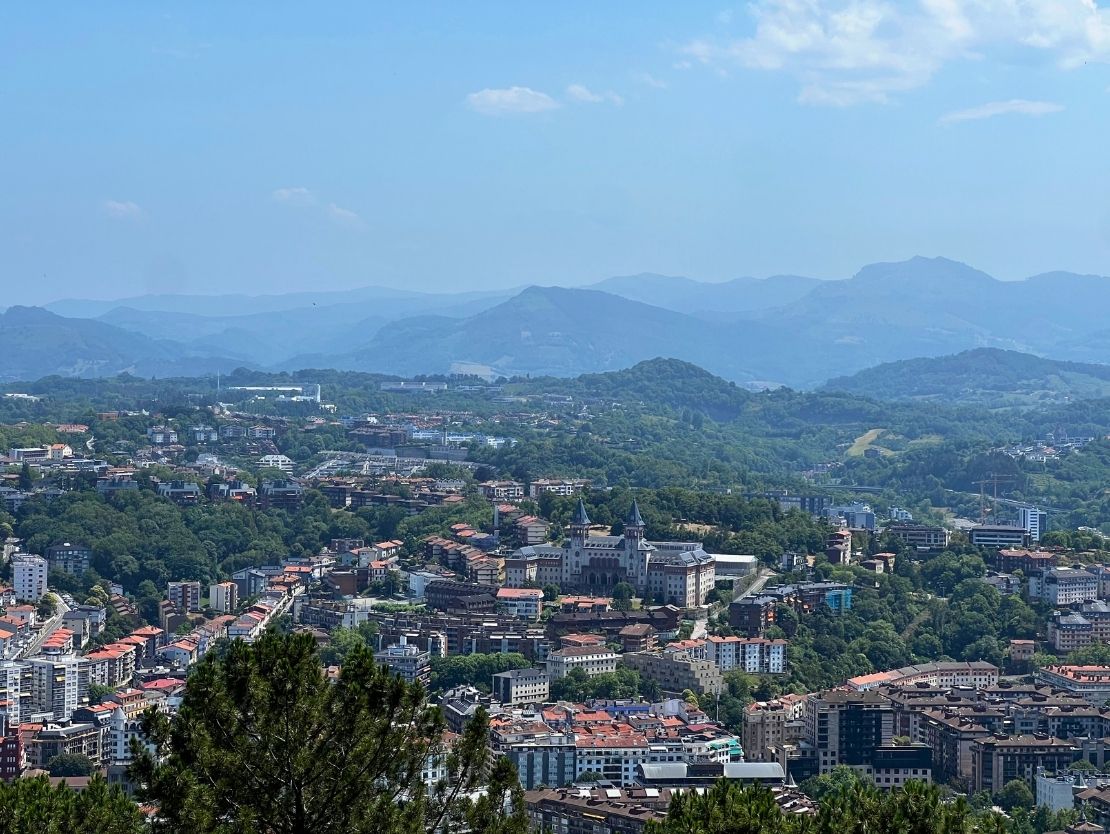
This blog was contributed by Heavenly-Jade Diamba, Global Ambassador for Summer 2026. Heavenly-Jade is a College of Liberal Arts senior participating in the faculty-led program “Language and Culture” in Santander, Spain.