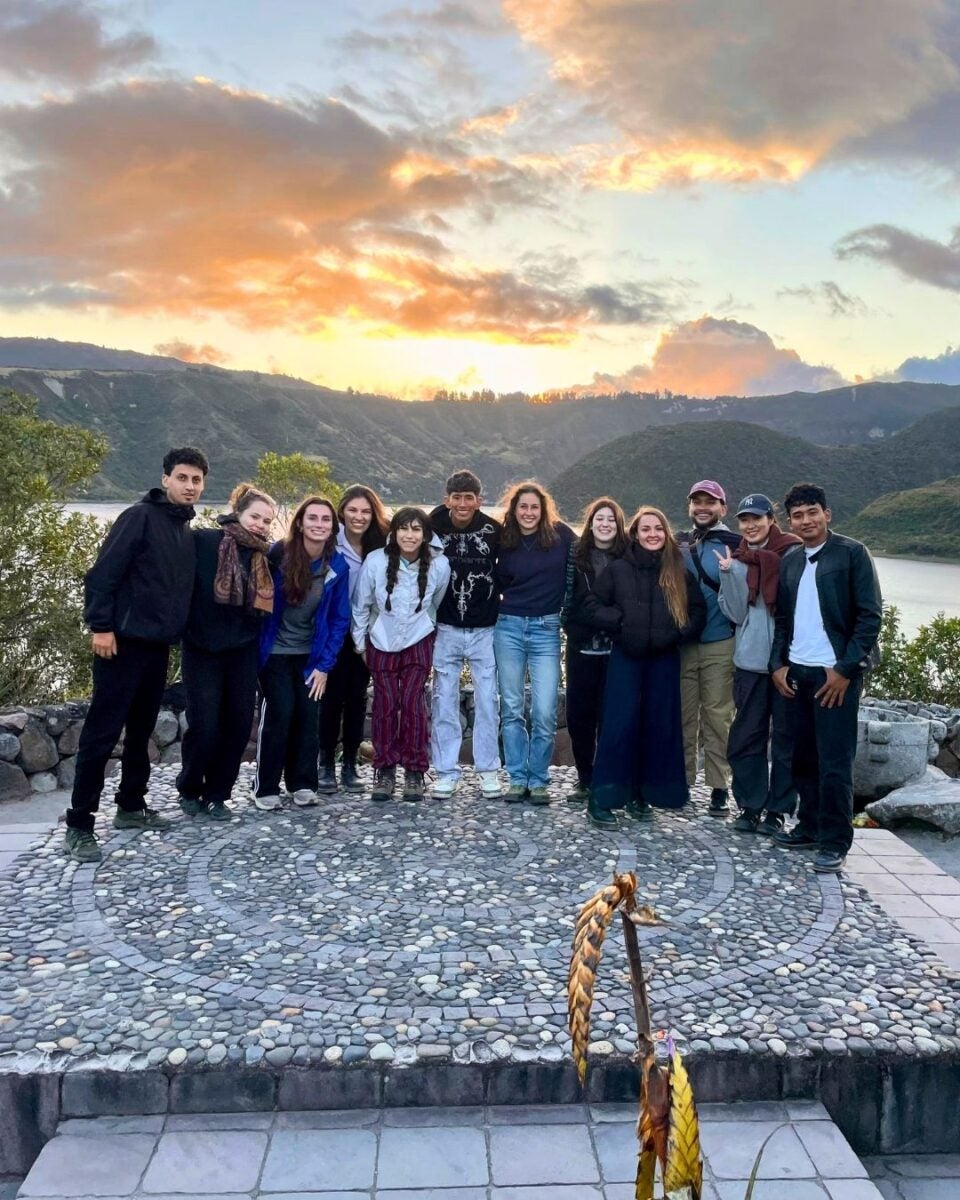
This past summer, I lived and interned in Mindo, Ecuador, for five weeks through the faculty-led Global Career Launch (GCL) “Solutions to Global Challenges in a Time of Transition.” I embarked on this cloud forest journey with a cohort of eight other girls and had the time of my life. If you’re interested in improving your Spanish, exploring Latin America, and doing an internship that makes a difference, then the GCL in Ecuador is the program for you!
Hearing About It
Well, I’m a little nerdy because I found myself digging through the Texas Global website for cool opportunities abroad. When I stumbled across this program, I knew I had to apply. Other girls in my cohort heard about it in a class with Dr. María Luisa Echavarría, the program’s faculty leader. Now, you’re hearing about it on this blog.
Application Process & Scholarships
The application process had multiple steps. First, I chatted with Dr. Echavarría in her office. She assessed my level of Spanish (proficiency required), answered questions, and provided introductory information about the program. Leaving that meeting feeling inspired, I eagerly started applying. The application required two letters of recommendation, the Texas Global application, and a statement of interest. In my statement of interest, I chose two organizations I wanted to intern with and described what I would ideally be doing. The options ranged across all sorts of majors and interests.
I also started applying for scholarships around this time. Texas Global has a designated scholarship for GCL programs that you can apply for through LASSO, but for some, it doesn’t cover the full cost of the program. I would recommend applying for other scholarships in addition to this one. I was very fortunate to receive nearly full funding from the Liberal Arts Honors program through their study abroad scholarship. Look into everything, and don’t be afraid to just ask. You might never know what funds are out there unless you look!
Pre-Departure
Before leaving, the accepted GCL Ecuador cohort met twice in person in Benedict Hall. We met each other and talked about what to pack and what to expect while we were there. I didn’t know much about Ecuador, but I assumed it would be sunny. Imagine my surprise when I found out I would need hiking shoes, a good raincoat, and pants.
Leading up to departure, Dr. Echavarria reached out to students individually to coordinate homestay arrangements with families in Mindo she already had connections with. We could choose whether to include meals in our homestay or stay in a hostel instead. We also coordinated flights so we could take taxis together upon arrival in Quito.
We also needed to draft a contract with our internship providers. On a Zoom call, we all negotiated hours, responsibilities, and goals with our Ecuadorian bosses. This helped everything run smoothly once we started working.
Internship Experience
All GCL members studied different things, from economics to kinesiology. The girls worked in a variety of places like a food bank, a library, a butterfly farm, schools, and an architecture firm. Mindo itself is a treasure trove for sustainability and biology because of its biodiversity.
I interned with three interrelated organizations: Ananaw Hostel, ACUS Mindo Sur, and Asociación Biodiversidad Ecuador. My supervisor, a nice man named David, managed all three. In these organizations, my initial tasks included searching for international funding opportunities, such as grants and partnerships, creating social media posts, and assisting guests. However, because the hostel closed down, I focused mostly on ACUS and Asociacion Biodiversidad.
ACUS Mindo Sur, a conservation organization, focused on water use and river contamination. My work shifted to focus on this issue as well—and I didn’t have a science background. Luckily, my rhetorical skills helped as I interviewed community members alongside fellow intern Jessica. We met with the mayor of Mindo, teachers, numerous bird guides and health officials about what the river contamination meant to them. After gathering information from these interviews, Jessica and I were tasked with two items: planning a community event and creating a documentary to show at it.
Jessica and I got to work making Canva invitations and Instagram posts to advertise our event, which was eventually titled “Voces del Río.” In the morning, it featured a Zoom meeting with a professor from a nearby university who shared findings from a recent water study. Later that day, we held a workshop with local students, encouraging them to create campaigns about saving water. Finally, we showcased our documentary.
Neither Jessica nor I had any experience in making a documentary. I downloaded CapCut on my computer, and we got to work filming and narrating. Thanks to Jessica’s extensive research for the script and my late nights balancing audio and editing, we finished a product we were proud of. With this film, Mindeños could clearly see the water situation and identify potential ways to fix it.
On the side, I also created social media posts for the Asociación Biodiversidad’s accounts. This internship was full-time, but I had the flexibility to work at a nearby coffee shop or in town when conducting interviews. On other days, I worked at the Ananaw Hostel to ask David questions directly. I conducted all work in Spanish, which was excellent practice for me.
Homestay Experience
I emphatically recommend the homestay experience. I stayed with a middle-aged couple and their 13-year-old daughter, Lina. The father was a bird guide. Birding is common in Mindo because of the abundance of colorful, interesting birds. The mother was a seamstress, and she had a workshop right outside of the house. Lina went to a Montessori-type school and always had school projects. Sometimes, when I came home, I helped her color her posters or put together a Viking boat for an upcoming class presentation.
We all saw each other the most during mealtimes because we were out during the day. Meals varied each day, and I joined for breakfast and dinner, since lunch was in town. We drank lots of hot tea and ate verde (plantain) quite often, paired with meat or another main dish. At the table, we’d all talk about our days or compare life between the United States and Ecuador. As a Spanish-language learner, I felt proud that I could form jokes that made the family laugh.
When we finished, Lina and I would gather everyone’s plates and wash them while the adults relaxed. If you do a homestay, I recommend it—it’s a way to show your appreciation, bond with your host sibling, and feel like part of the family instead of a tenant. By the end of my stay, my host mom would jokingly introduce me to people as her “hija” — and we got some funny looks.
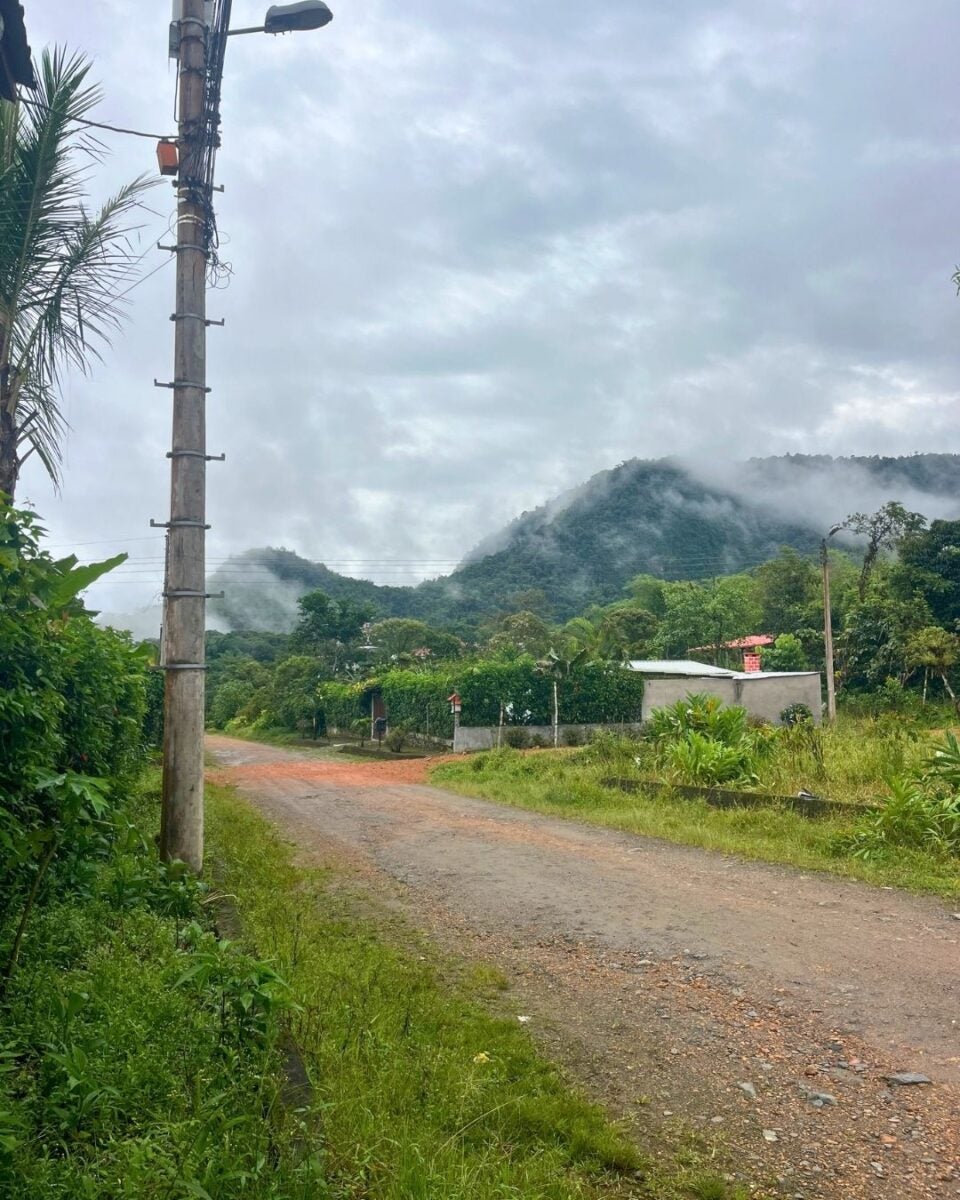
The house was wooden and airy. Because the climate in Ecuador is so pleasant, open windows serve as air conditioning. The town is so safe that my host family could leave their front door unlocked, or even wide open, all day, which shocked me at first. Another surprise was washing my clothes by hand in an outdoor sink. A few families in the area shared a washer, but certain articles of clothing were best washed by hand in a basin for a deeper clean. All clothes would go on a clothesline afterward. It’s a simple difference that quickly became a natural part of daily life.
Extra Travel & Fun Experiences
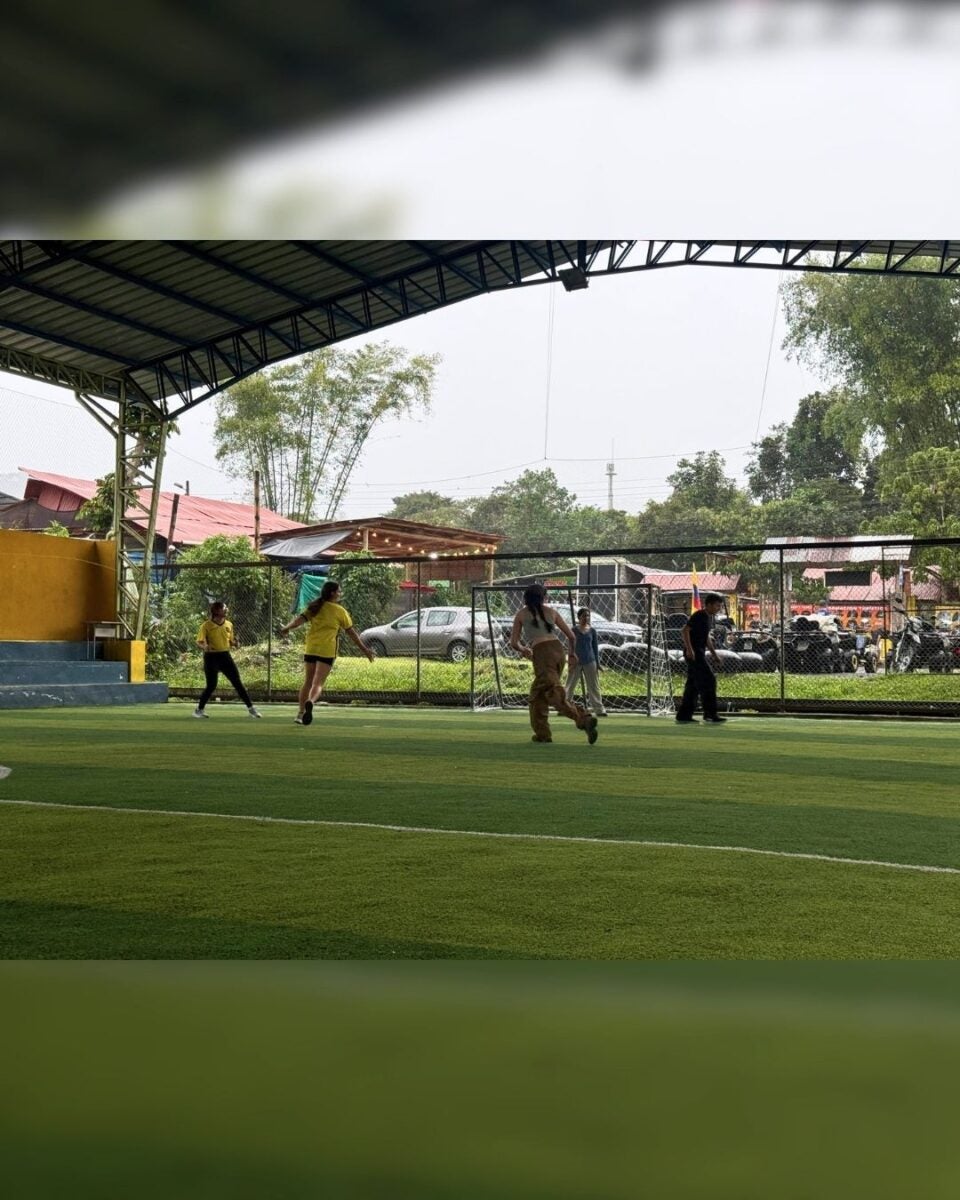
After work and dinner with my Mindo family, I tried to maintain healthy routines by walking to the nearby gym. I always brought my umbrella in case the afternoon rain got me! Sometimes, the other girls in my cohort would want to watch a World Cup game, and we would go to a local crepería that showed it.
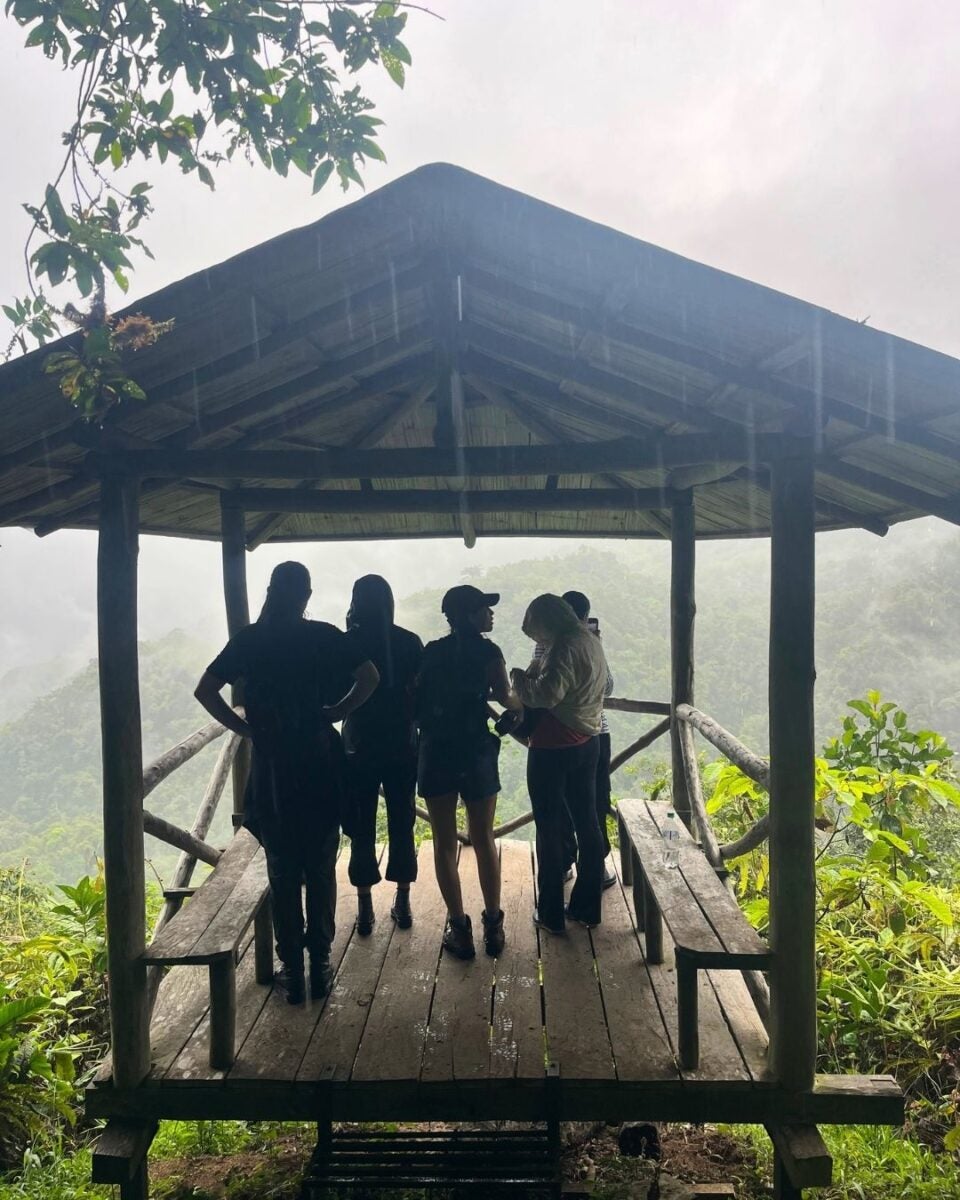
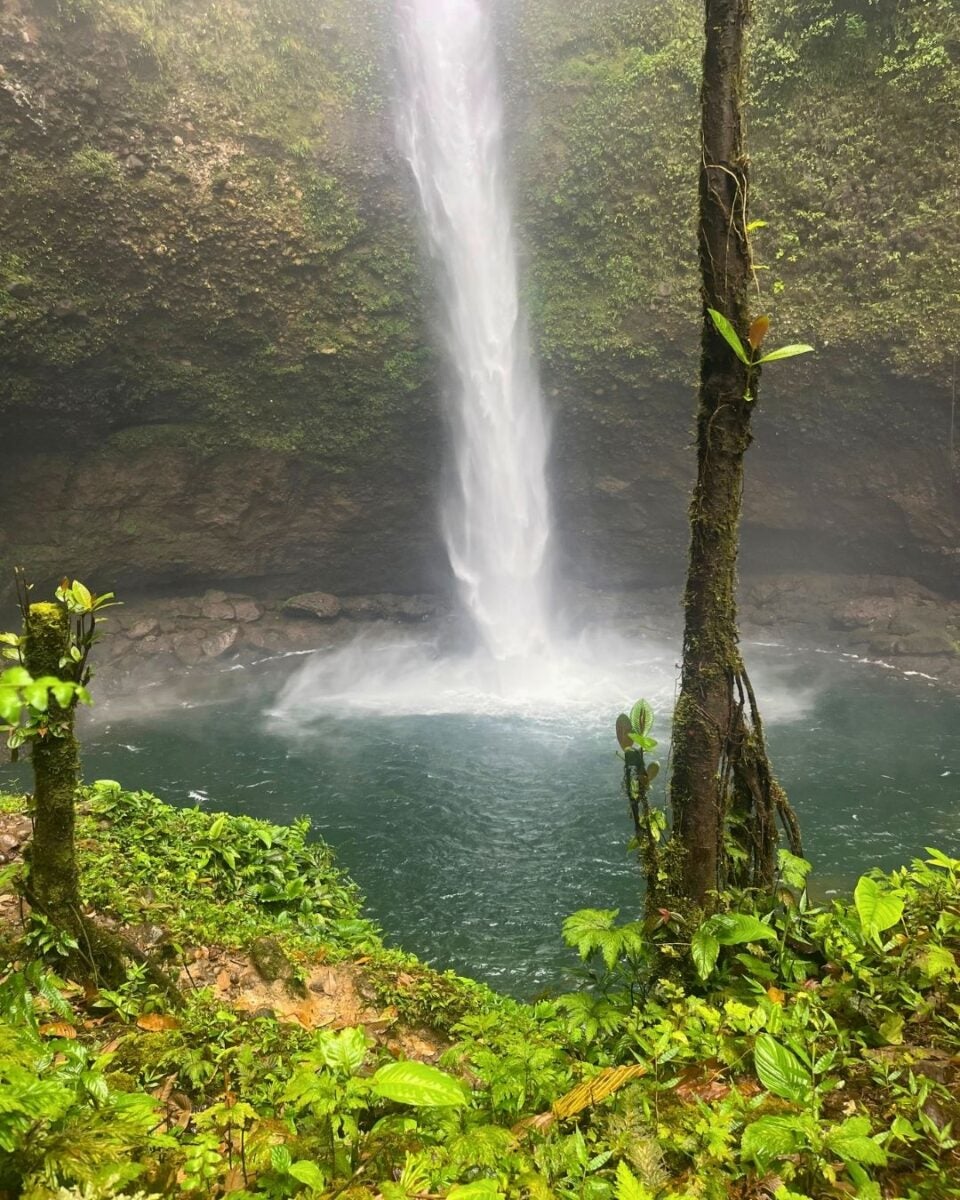
Depending on the time, we would also go places during the week. One of my favorite mini trips was to Cascada Tatalá, which was a tall, gorgeous waterfall. The hike was challenging because of the slippery rocks and rain, but swimming in the cool water was unforgettable. On the way back, we crammed into a friend’s truck, sang along and laughed as we hit bumps and got jostled around.
We also had plenty of time for group bonding, especially on the weekends. One time, we went to Otavalo for Inti Raymi, a summer solstice festival. Another time, we went to Cotopaxi and stayed at a cozy, social Airbnb while hiking and riding horses. Sometimes, we would just have dinner at Dr. Echavarría’s house. I will miss these times cooking and laughing together or losing games of Cambio.
Ecuador was one of those trips that sticks with you. I reflected a lot on how I want to live my life, and the experience changed my outlook for the future. If you are on the fence about trying out a GCL experience, I say do it!
This blog was contributed by Kaitlin Hicks, Peer Mentor for Fall 2026. Kaitlin is an international relations & global studies and rhetoric & writing student participating in the Peer Mentors Program. Kaitlin studied abroad in Summer 2026 through Global Career Launch in Mindo, Ecuador, and in Summer 2025 through the Language & Culture faculty-led program in Santander, Spain.