Studying abroad in Tokyo as a Global Ambassador at The University of Texas at Austin means having an idea of what to write for your blog post and then completely changing it up the day of in response to yet another fascinating experience.
Finding Comfort in Familiar Foods
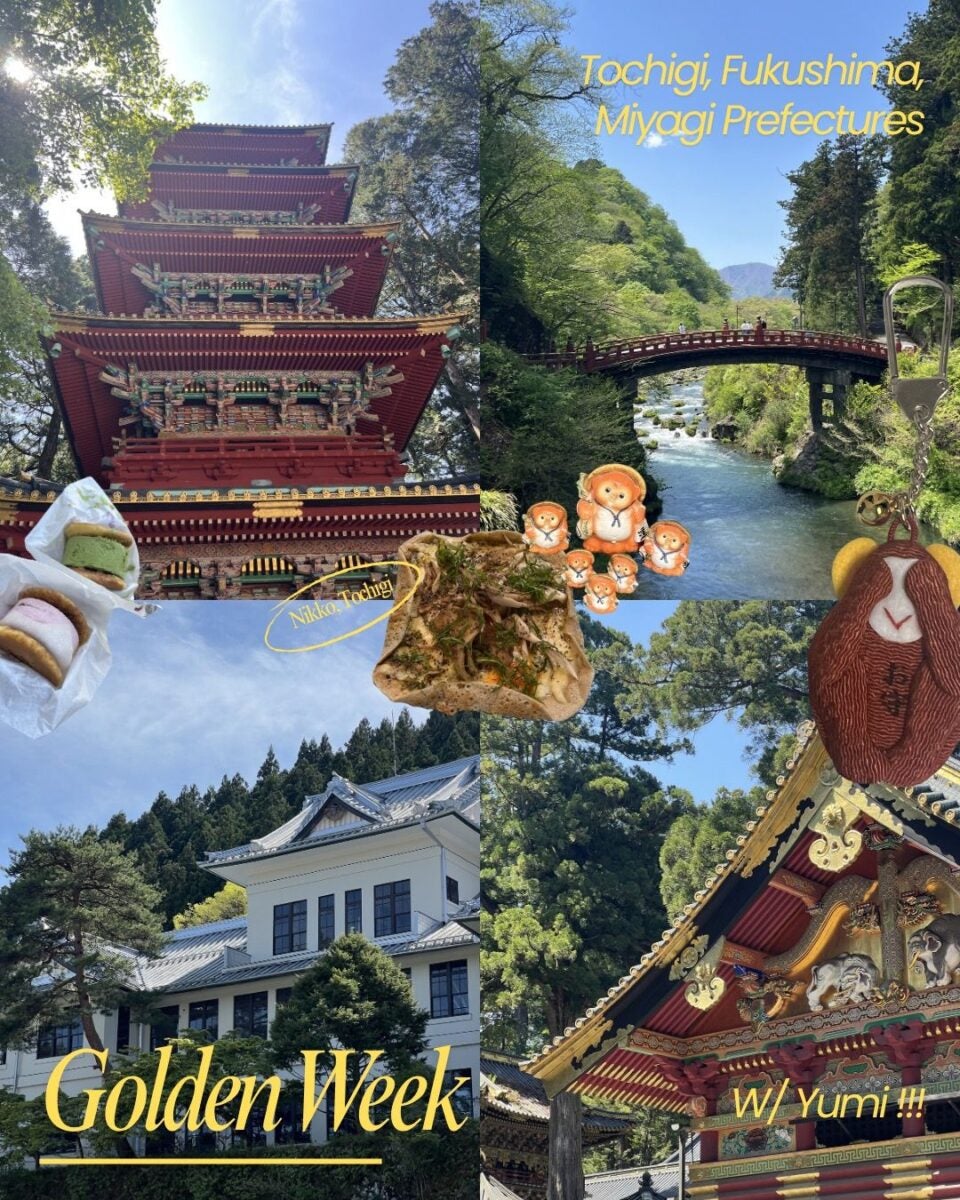
I’ve been in Japan for more than a month now, and I am starting to miss UT staples like Potbelly after a Friday shift or going to Centro for their watermelon lemonade. I’ve come to realize, though, that I have found comfort in the foods around Waseda University as well, and I was particularly craving them during my golden week travels.
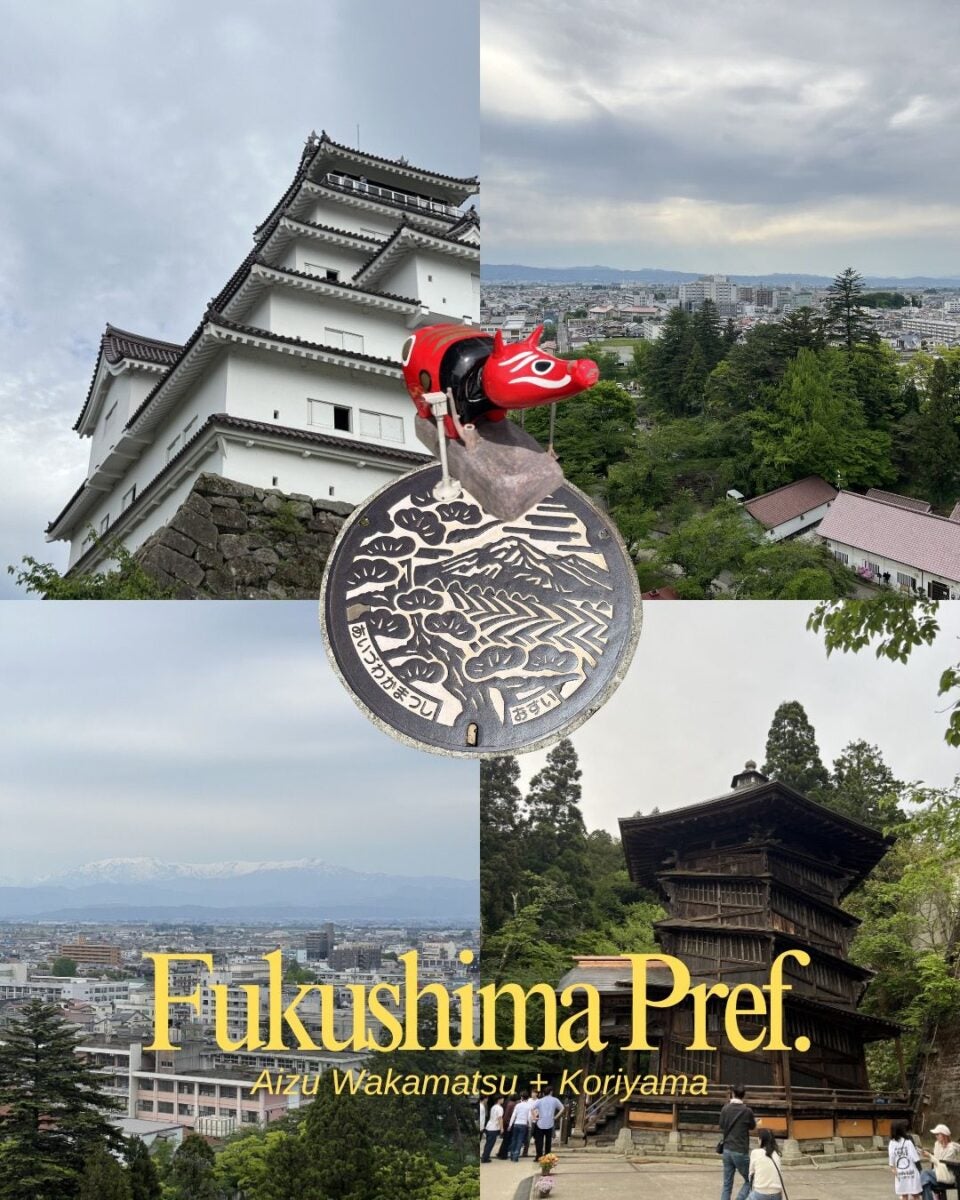
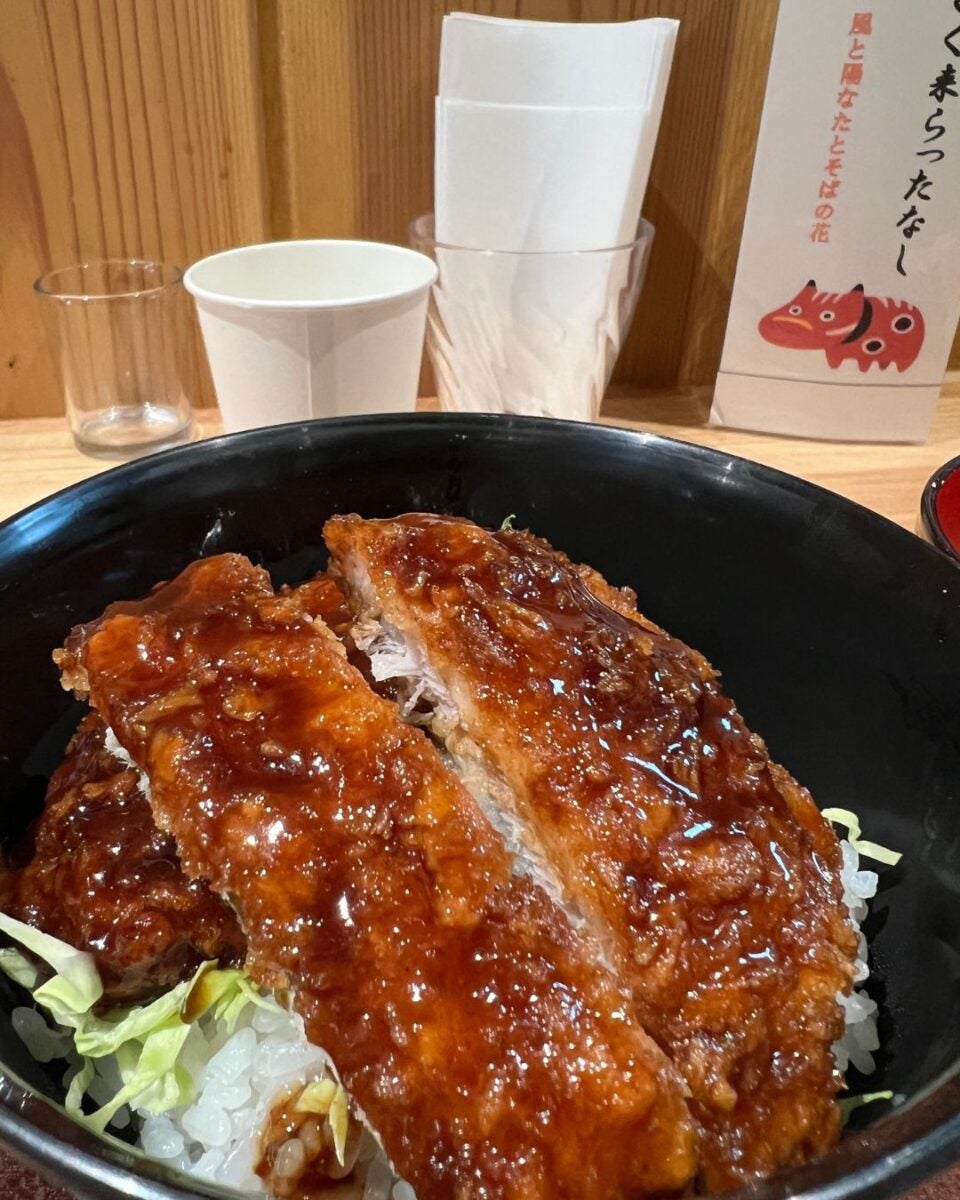
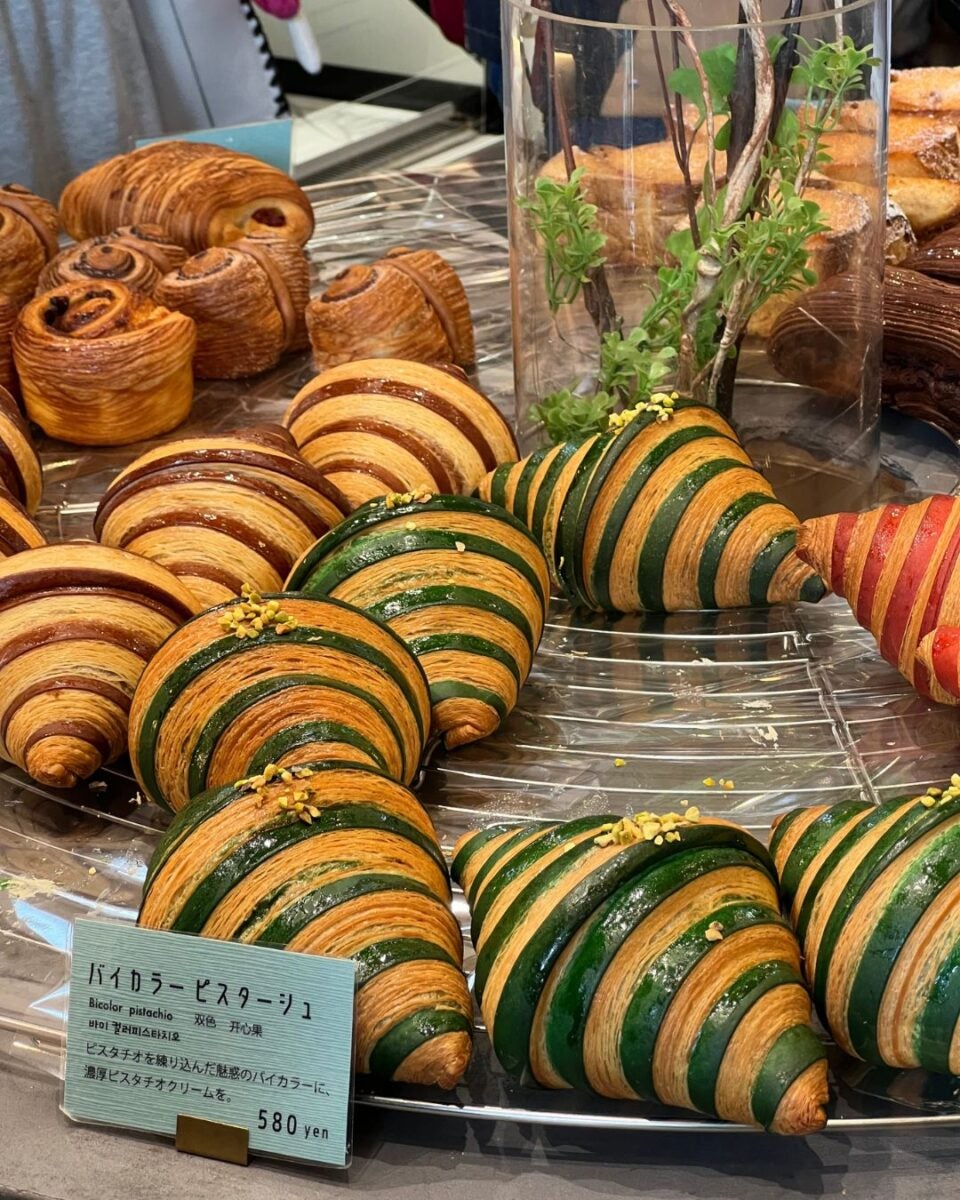
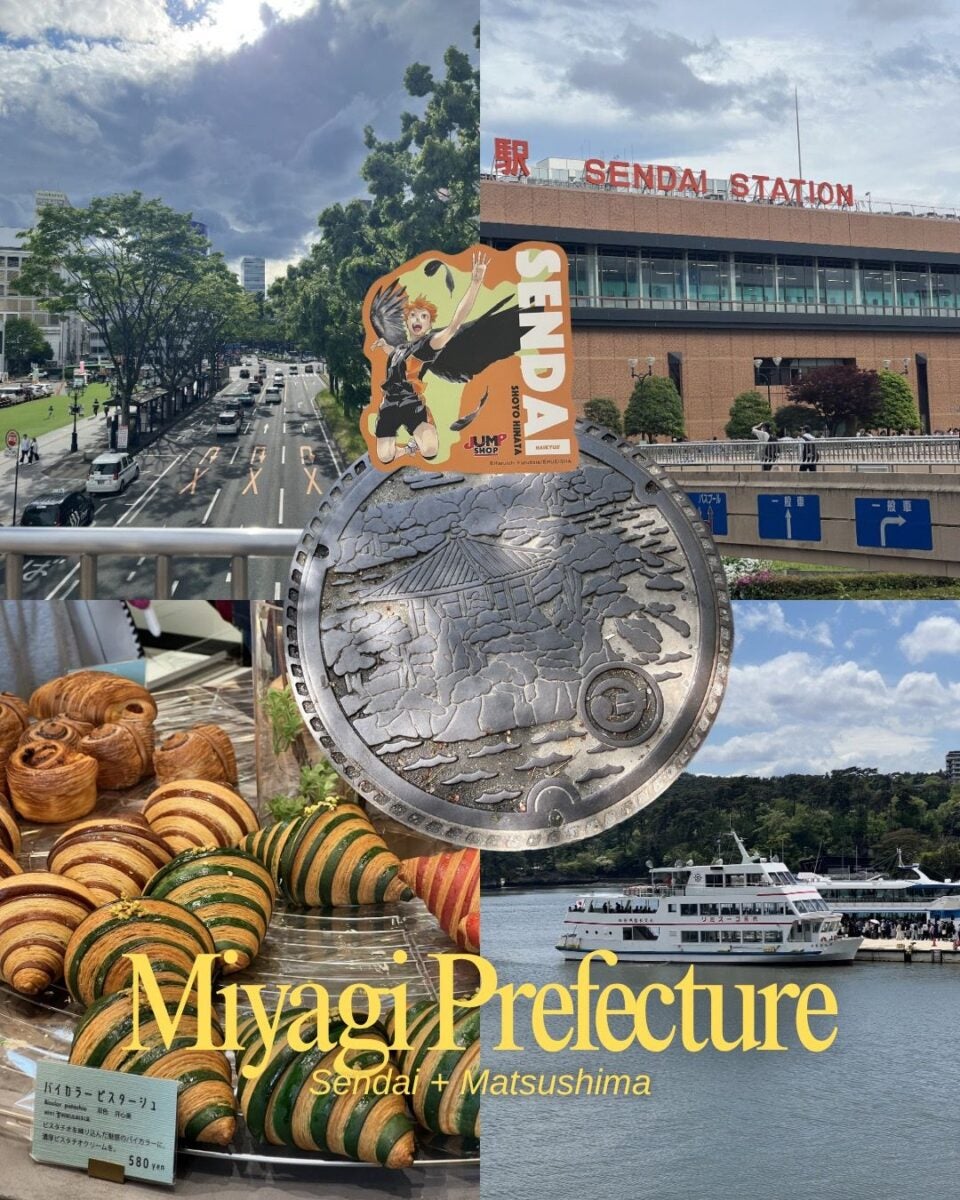
I got to try a mushroom galette in Nikko; home-cooked lasagna made by my friend’s mother; sauce katsu in Aizu-Wakamatsu, Fukushima; and a sweet green bean (zunda)- flavored croissant in Sendai. Admittedly, a galette is French, and lasagna is Italian, but they each had a distinct take.
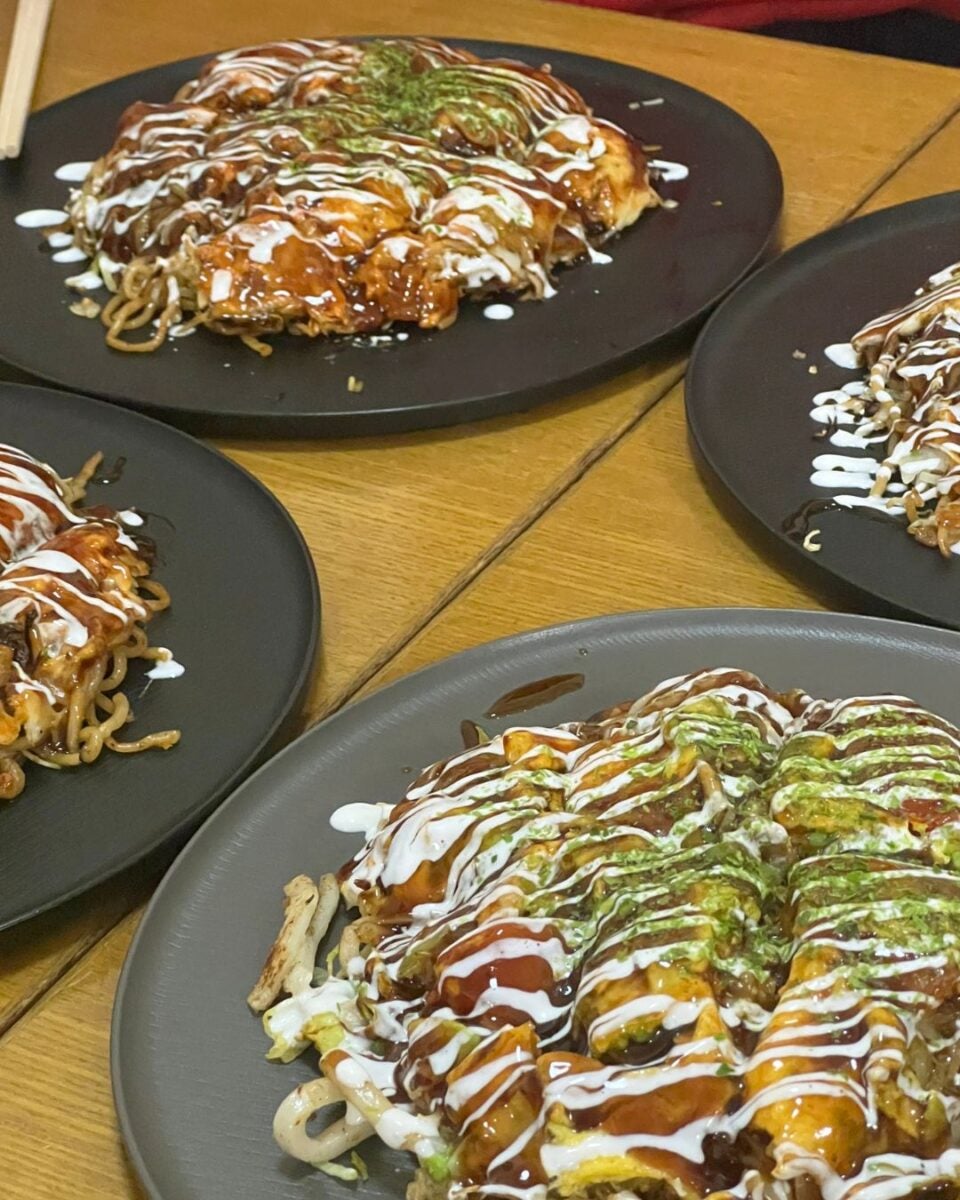
Yet some part of me yearned for the okonomiyaki place around the corner from my dorm. Luckily, I have the perfect company for the perfect okonomiyaki. It’s referred to in English as a “savory Japanese pancake,” and it’s just that: typically, a cabbage pancake with a mix of meat, topped with Worcester sauce and mayo with a line pattern on top. So, if you’re ever in Nishiwaseda, the small part of Shinjuku ward that Waseda University is in, you should go to Ban! Japan is known for being “stingy” on its food rating app, Tabelog, with 4- or 5-star reviews being rare. But Ban should definitely have a rating higher than 3.2.
Exploring Japan Through Regional Specialties
During my golden week travels, I felt that I also got a culinary journey. In my history of war and peace class, we recently discussed Japan’s various civil wars and conflicts. Before coming here, I knew that Japanese history was largely dominated by feudal divisions of power for much longer than by a unified government, and it really comes through in their food.
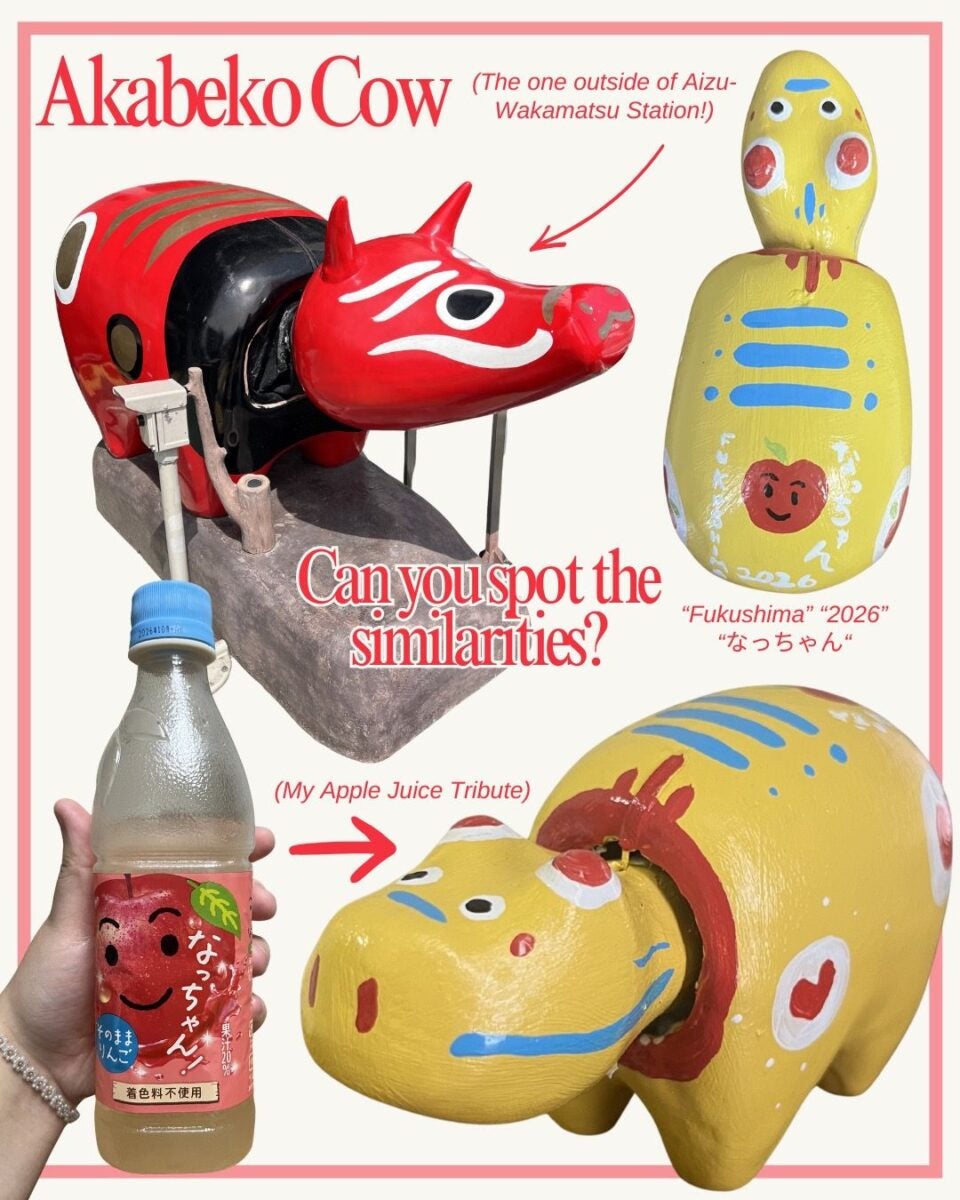
Every place has a regional specialty, and while we have that in America, I don’t feel like it is to the same extent. This applies not just to the food but also to the crafts and trades of each region, like the akabeko cows of Fukushima Prefecture, wooden cows with bobbling heads typically painted red. Osaka is known for its particular style of okonomiyaki (savory Japanese pancake), but those finer details are lost on a tourist like me, though I have googled it many times. Waseda has an aburasoba (Japanese “soupless” noodle dish) spot around every corner.
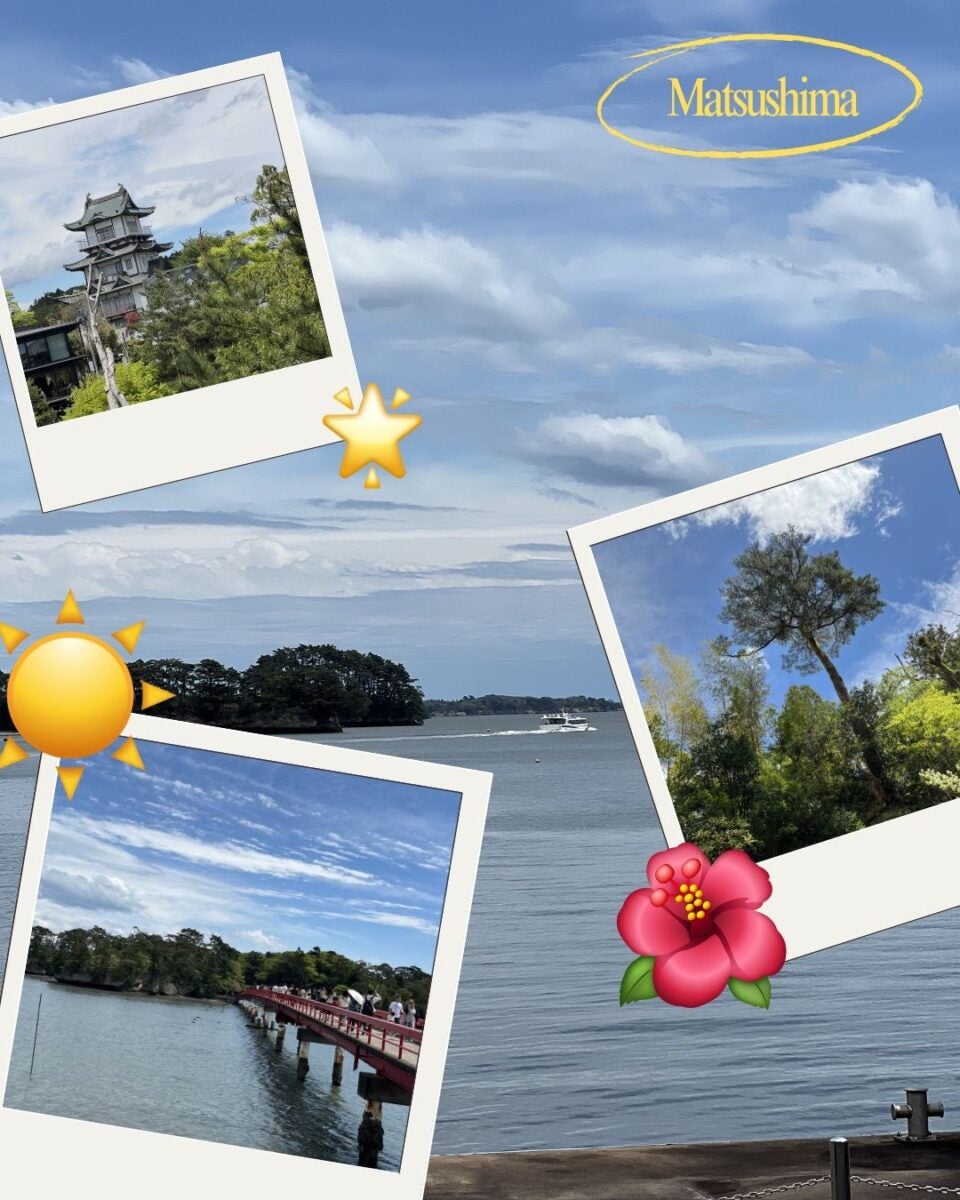
The land domains that turned into prefectures have been preserved in a way that makes my American self so happy. It offers a different perspective and feel to history, as it has been in place for longer here. My journeys outside of Tokyo have always been times of learning and reflection, finding a different pace compared to the land I have been in for a month now. It provides a breath of fresh air from the bustle of the city and its soothing but constant hum.
Art, Memory, and Akabeko Cows
In Fukushima, my friend and I painted our very own akabeko cows, only they weren’t very akai (red). Perhaps for the first time on this trip, I had to sit and search for inspiration to make a piece of art. Only it felt like I had too much inspiration, a rather fortunate problem to have. I tried to make a tribute to both Fukushima and myself, and dare I say, I was comically successful.
Culture in the Space Between
I wonder just how many flavors I can bring back to Austin. I hope to make okonomiyaki in my new apartment next year, a rather interesting culinary setup, as all of us are from different cultures. I wonder if it would be sacrilegious to put barbecue sauce on it, or perhaps Thai sweet-and-sour sauce.
The one thing I remember from my cultural anthropology class my freshman year is that “culture exists in the space between.” As in, you don’t notice culture until you’ve crossed boundaries into something that is not your own.
With this study abroad, I’ve come to cross that line quite comfortably. There are times when you should respect the lines, boundaries, and rules of the culture you’re experiencing, but sometimes blurring those boundaries can lead to excitement and something new and creative. Like adding sweet-and-sour sauce to okonomiyaki or painting an akabeko cow with your favorite apple juice brand to commemorate your love of the drink and your trip to a new place with wonderful company.
This blog was contributed by Sofia Johansson, Global Ambassador for Spring 2026. Sofia is a College of Liberal Arts junior participating in an exchange program at Waseda University in Tokyo, Japan.