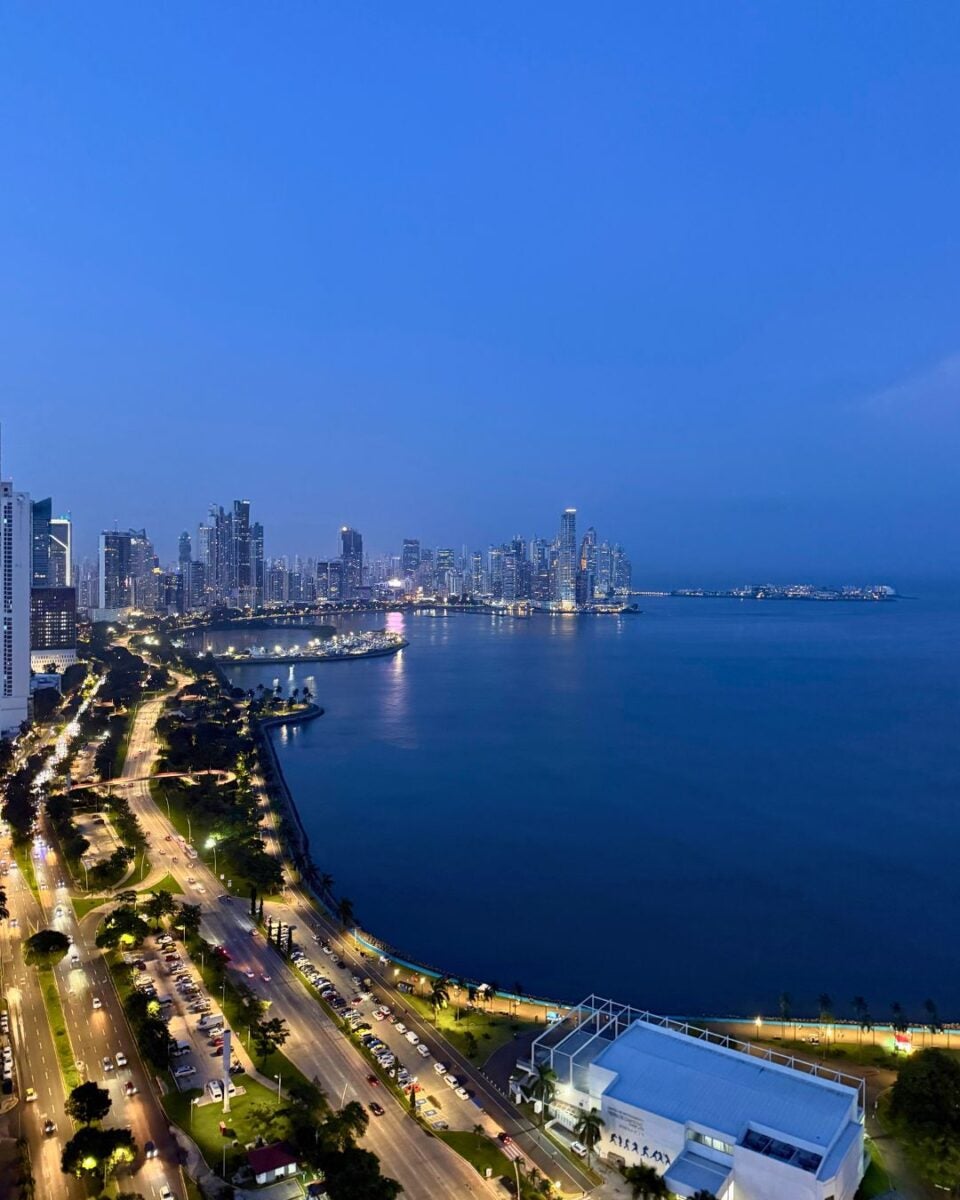
Leaving everything I knew for 18 years to study abroad in my first semester of college was not easy. Coming to Panama City, Panama, was also my first time traveling outside of the United States.
I was nervous about experiencing a new culture and country without my family’s support. Saying goodbye to my parents before leaving for the airport was the hardest part, but once I arrived in Panama City, I felt ready for the journey ahead.
Finding My Footing in Panama
The first few weeks were definitely a major learning experience. Learning how to use local transportation, navigate grocery stores, and order food came with its fair share of mishaps.
The first time my friends and I took the bus, we missed it a couple of times and ended up waiting for an hour. Adjusting to the tropical climate has also led to getting stuck outside unprepared during a downpour, but I have learned to embrace the rain.
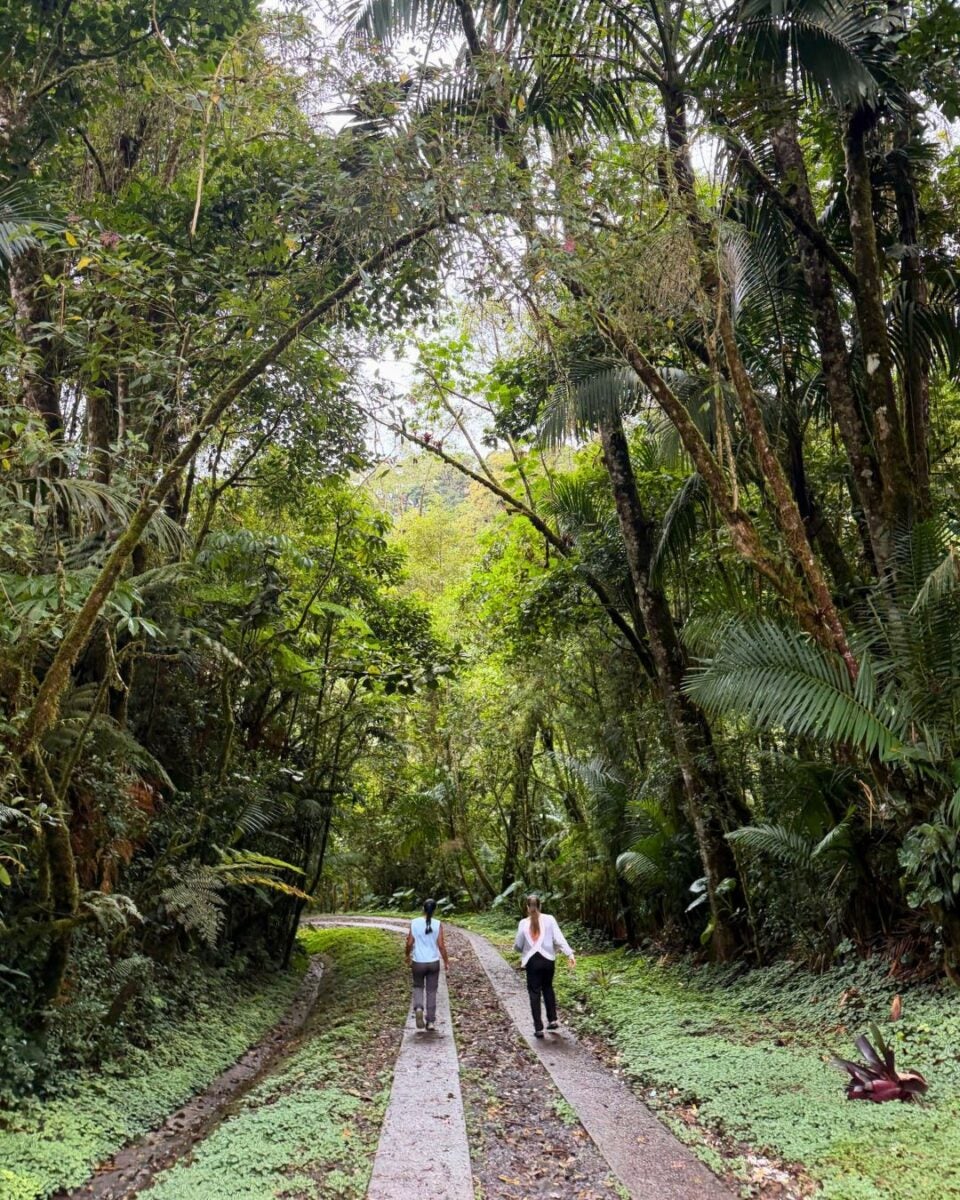
Adjusting my schedule and daily routine has been one of my favorite parts of living here. The sun rises earlier than I’m used to back home, but every morning I wake up to sunlight beaming through my room. Walking to class always comes with a scenic view of the greenery surrounding us — one of the little things I appreciate about living in Panama.
Learning Beyond the Classroom
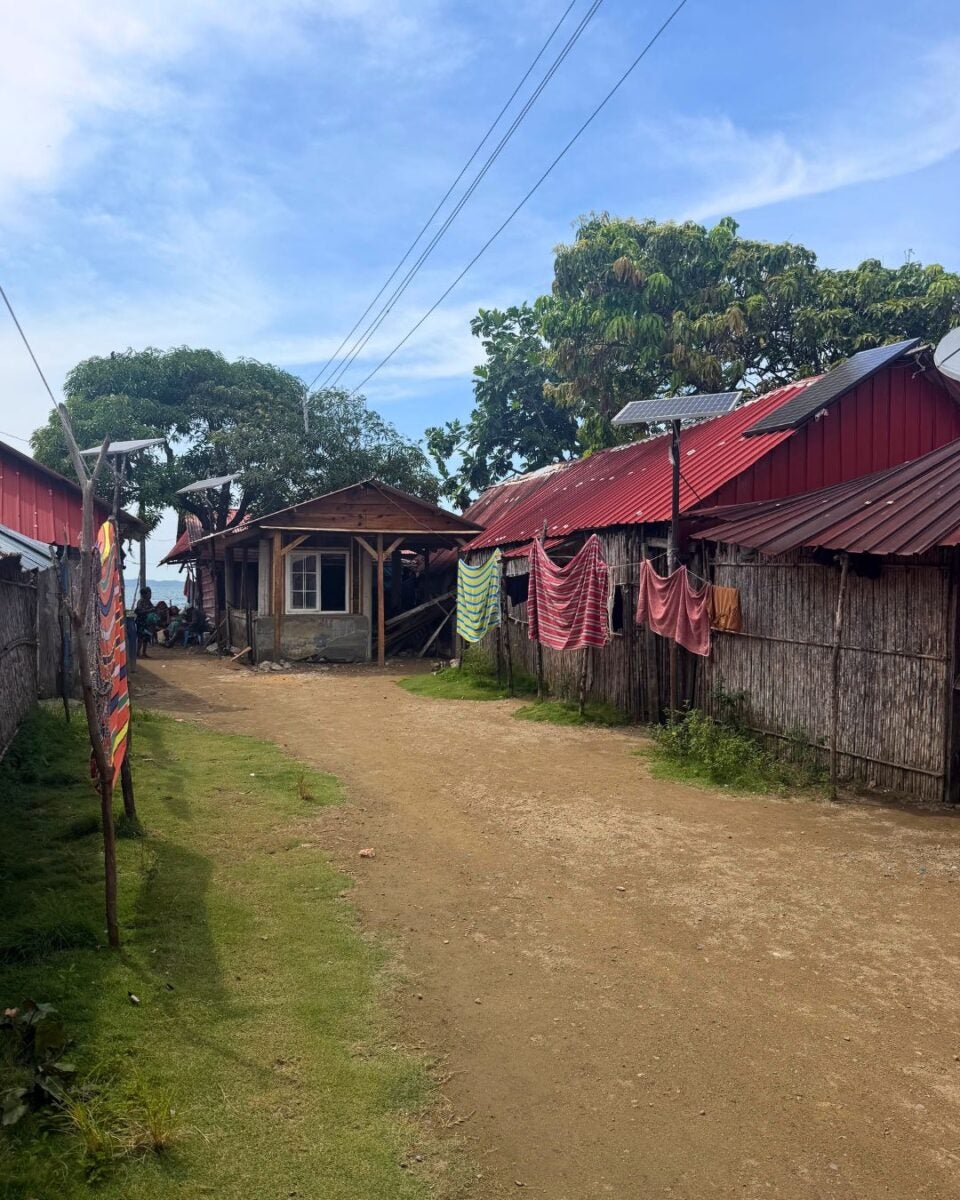
My favorite part of this program has been our interactive classes. Through excursions around the country, we get to experience firsthand what we learn in our environmental studies and anthropology classes. One of my favorite excursions was visiting the Guna Yala islands and meeting the Guna people after learning about their history and way of life in anthropology.
More recently, we traveled to Bocas del Toro to study ecosystems for environmental studies. We ventured through mangroves and explored underwater environments, observing coral and marine wildlife.
These experiences have made what we learn in class feel more meaningful and have helped me appreciate Panama’s culture and natural environment in a way I never could from a textbook alone.
Finding Connection Without Words
Overall, adapting to a new country has been rewarding. However, one challenge I have faced is finding unique ways to connect with locals, since I’m not fully fluent in Spanish. Through this experience, I’ve discovered that the best ways to build connections don’t always require words. Sometimes, all it takes is a shared interest, a little effort, and a willingness to put yourself out there.
One way I have connected with Panamanians is through sports. Sports transcend language barriers and bring communities together. Growing up in San Antonio, Texas, I experienced this firsthand through basketball.
Over the summer, my hometown basketball team, the San Antonio Spurs, made the playoffs for the first time in years. During away games, locals would gather at a place called The Rock, where they showed the games on a Jumbotron. On game days, my dad and I would bring our lawn chairs and watch together. The energy there was electric. Throughout the game, we cheered together and high-fived the people around us, even if we had never met them before.
Unfortunately, the Spurs did not win the championship, but the playoff run brought our entire community together. During those moments, it felt like San Antonio was one big family. We were all connected by our love for the same team, regardless of who we were or where we came from.
Another sporting event that brought people around the world together was the World Cup. Despite language barriers and cultural differences, people from different countries came together to celebrate their teams’ victories and share their traditions. Watching how sports can unite people across cultures has made me appreciate their power to bring people together, even when they have little else in common.
Volleyball: A Universal Language
Before coming to Panama, I worried about how well I could connect with locals since I am not fully fluent in Spanish. However, since I arrived, I have learned that I don’t have to speak Spanish fluently to build meaningful connections.
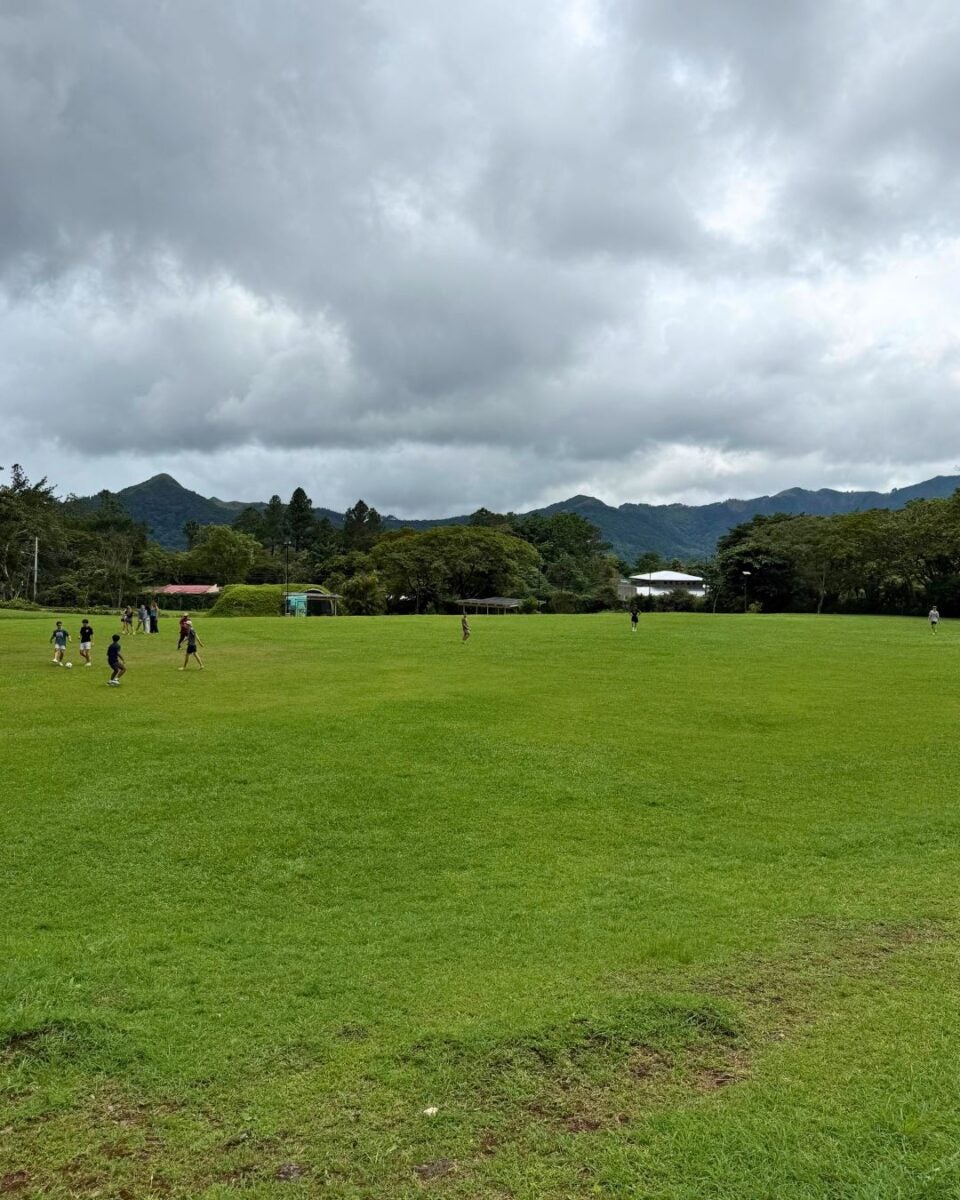
One day after class, a friend from my cohort and I went to the volleyball court near our dorms. A group of locals was already playing, so we asked, “¿pueden jugar?” and they welcomed us onto one of their teams. As we played, we picked up a few Spanish words, like afuera, meaning “out,” and practiced keeping score in Spanish.
Even though we did not speak the same language fluently, we high-fived and cheered each other on, laughing together whenever someone made a silly mistake. We could communicate through the game without needing to understand every word the other person said.
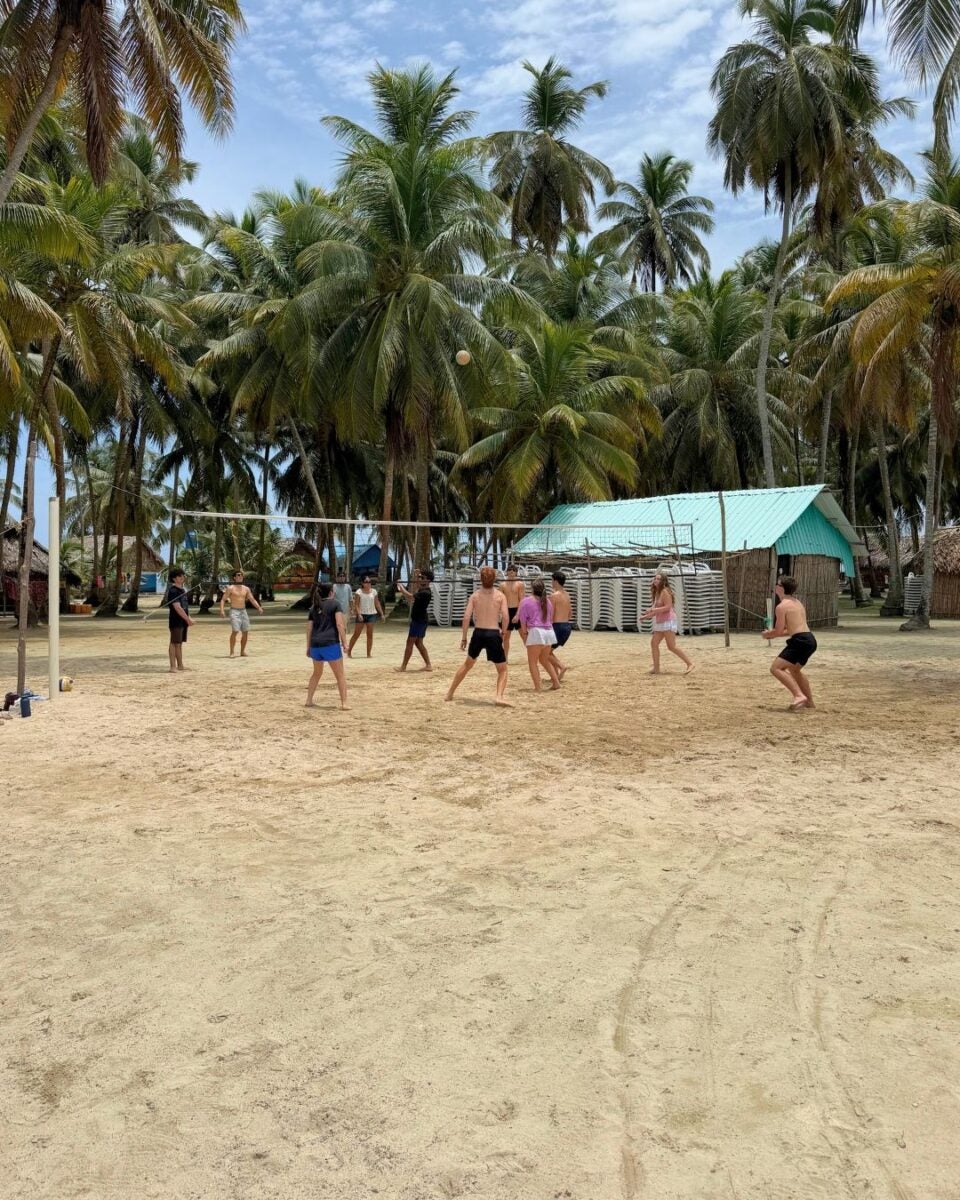
I experienced something similar during our excursion to the San Blas Islands in Guna Yala. A few people from our cohort were playing sand volleyball, and a group of locals came over wanting to join. We made teams and played a few rounds against each other, keeping score in Spanish as we went. Although we couldn’t have a full conversation, I felt we had built a connection with the Guna people through our shared love of volleyball.
Now, back in Panama City, my friend and I go to the volleyball courts almost every day to play with different Panamanian families and groups. We have gotten to know the regulars by name and make small talk with them whenever we play. What started as a way to get outside and play a sport has become an opportunity to build friendships and feel more connected to the local community.
More Than a First Semester
Moving to another country where I do not fully understand the local language has been challenging, but finding unique ways to connect with people, despite the barrier, has become one of the most rewarding parts of my experience. I have learned that building relationships does not always require perfect communication. Sometimes, a smile, a high-five, or a shared game is enough to bring people together.
Studying abroad during my first semester of college has pushed me outside my comfort zone and taught me to embrace new experiences. From learning how to navigate a new city to exploring Panama’s ecosystems and connecting with locals through volleyball, I have grown in ways I never expected.
Most importantly, I have discovered that sport truly is a universal language. We may not speak the same language, but we understand the rules of the games we play, the excitement of competition, and the joy of celebrating together. Through these experiences, I have learned that sometimes the strongest connections are formed not through words, but through the moments we share.
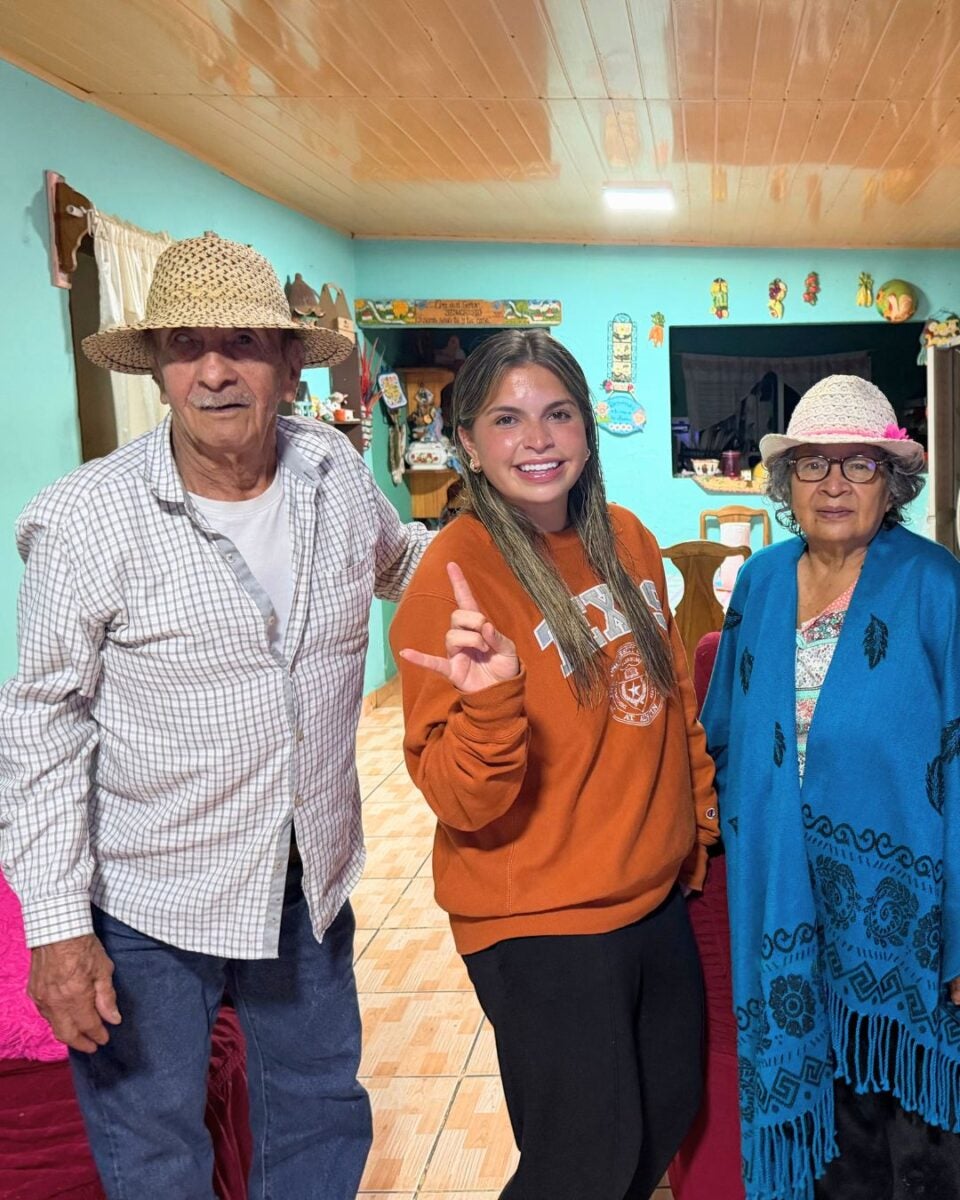
This blog was contributed by Anna Martinez, Global Ambassador for Fall 2026. Anna is a College of Liberal Arts first-year participating in the Take the World by the Horns program in Panama City, Panama.