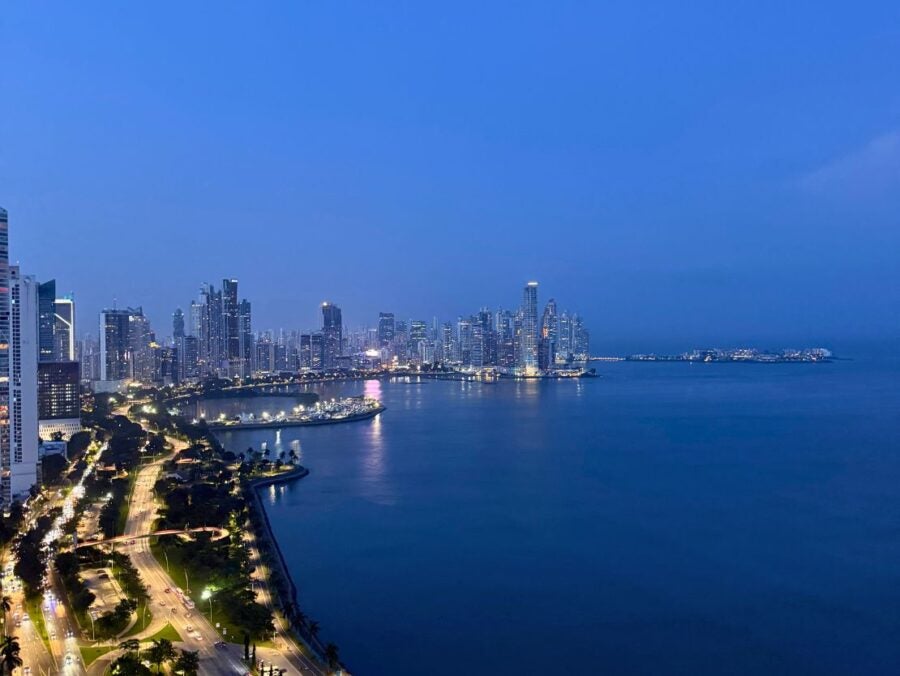
A country is more than its language, landscapes, or the places tourists visit. It is also the people, traditions, and everyday moments that give it its identity. When I first began my semester abroad in Panama, I knew I would have the opportunity to learn about a new country, meet new people, and experience a different way of life.
However, I quickly realized that some of the most meaningful lessons would happen outside the classroom. Through this program, I’ve had the opportunity to explore Panama not only through my classes but also through its communities, traditions, food, and everyday life. From visiting local markets to learning about the country’s diverse cultures, each experience has helped me see Panama from a different and unique perspective.
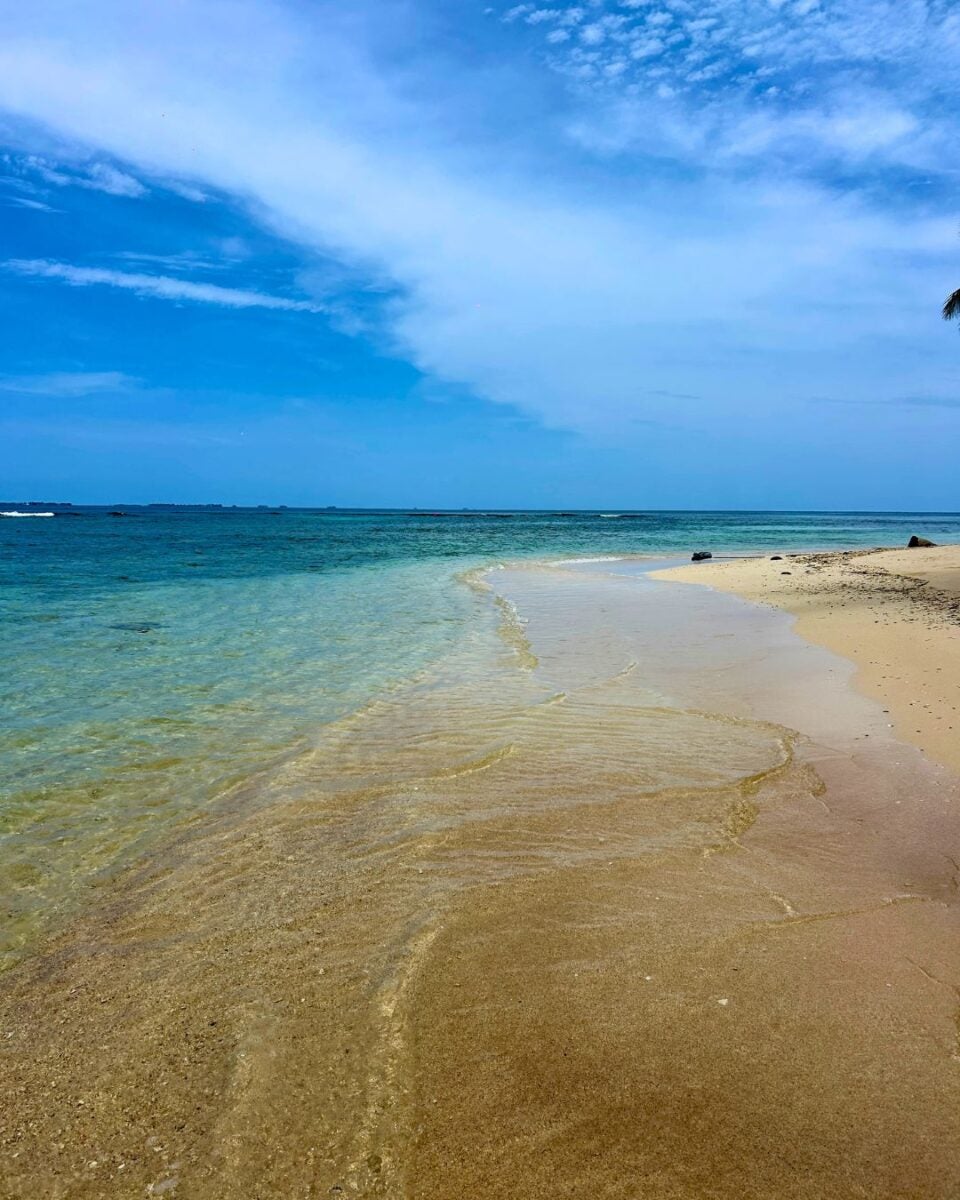
One of the most memorable parts of my semester was visiting Guna Yala, where we stayed on an island and spent time with members of the Guna community.
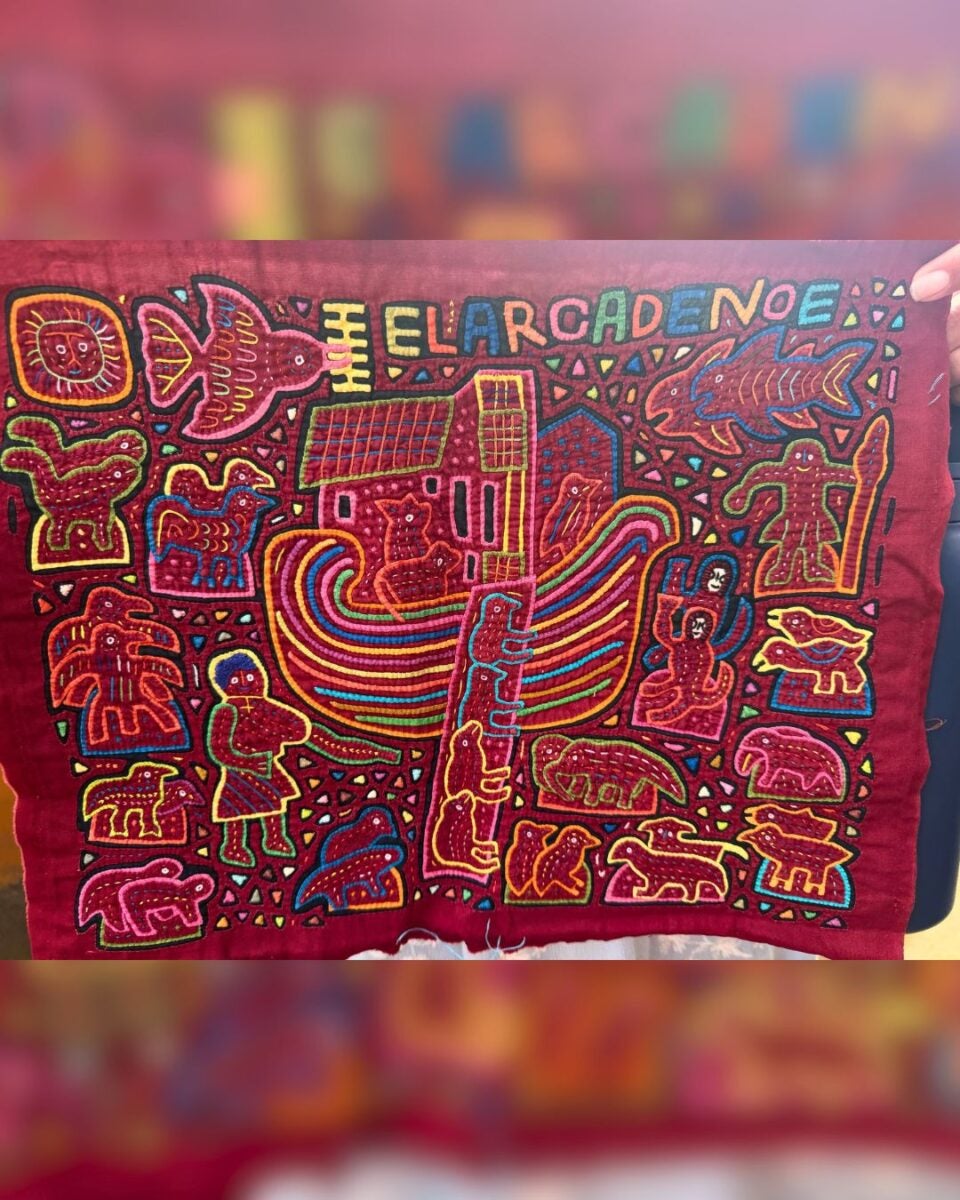
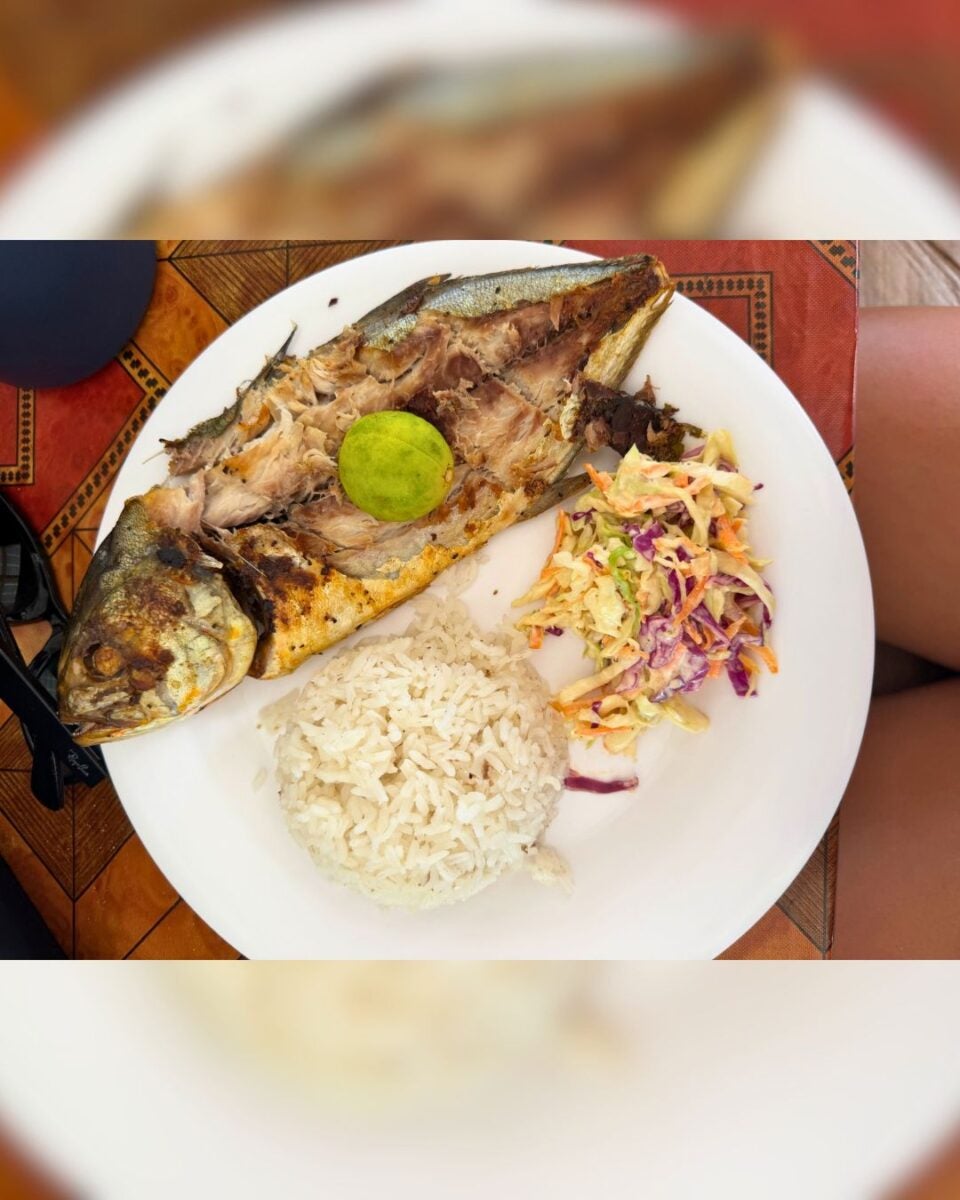
We learned about their traditions, tried food prepared by community members, and saw their beautiful molas, a colorful traditional form of textile art handmade by the Indigenous Guna people.
Spending time with the community gave me a more personal understanding of Guna culture and reminded me of the importance of approaching unfamiliar places with curiosity and an open mind.
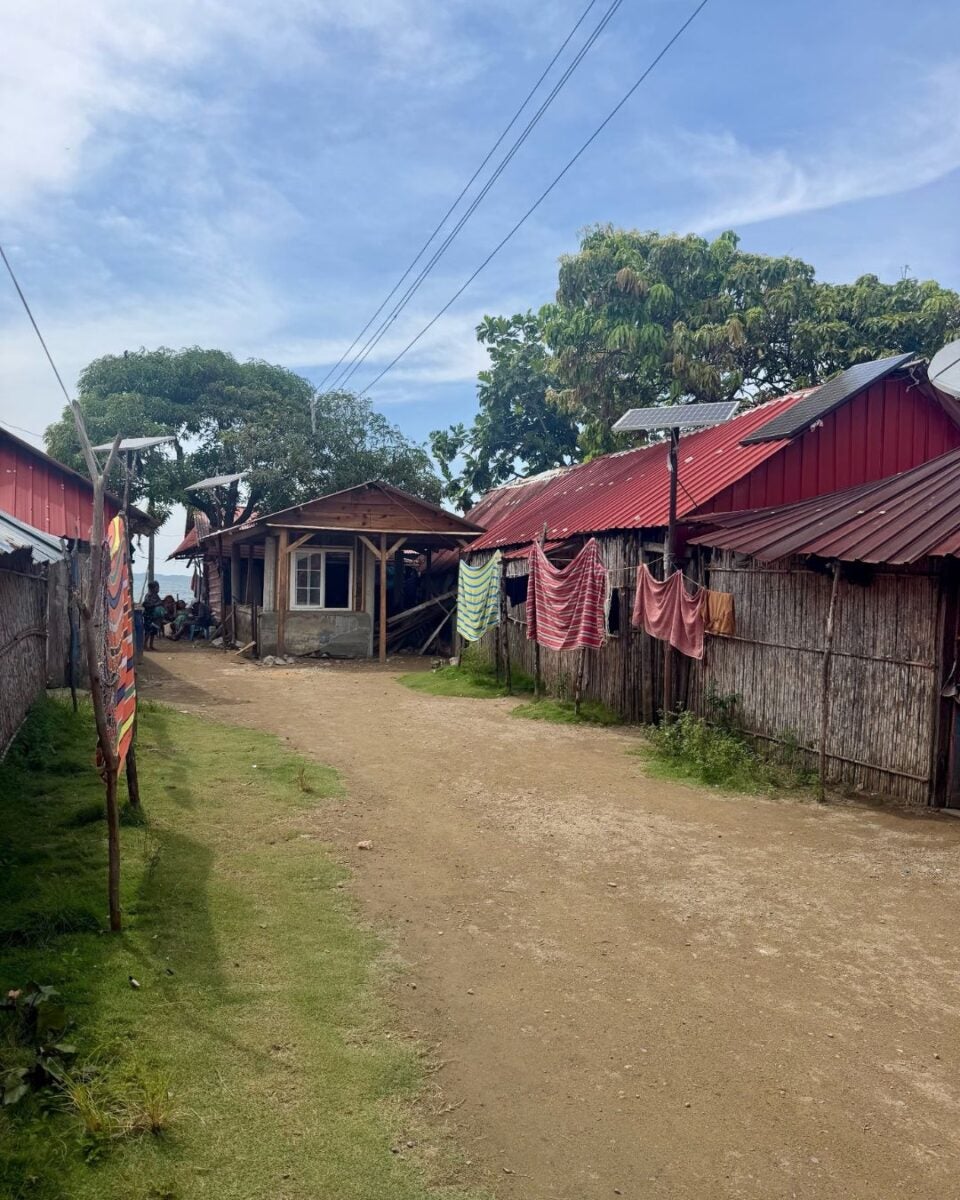
One thing that particularly caught my attention was the way traditional lifestyles and modern technology existed alongside one another. Before visiting, I had imagined that life on the island would look very different. Although I saw traditional practices, I was also surprised by how present modern technology was on the island.
For example, I noticed that some places accepted digital payments through Yappy and Apple Pay, and people had access to electricity, lights, outlets, and iPhones. These modern conveniences coexist with traditional palm-thatched homes and lifestyles connected to the sea and fishing.
Another detail that stood out to me was how the kids attended school. The children I played soccer with explained that their school was on another island, so they had to travel by boat to get there every weekday.
I also noticed children wearing shirts with characters like Hello Kitty and Spider-Man. These small details made me realize how widely global brands and popular culture have spread, even in communities with distinctive cultural traditions.
One of my favorite moments was seeing everyone gathered at night watching a James Bond movie. I found it really sweet because, despite being in a place that felt so different and far from home, I recognized something familiar: people spending time together and enjoying a movie.
It was a simple moment, but it made me think about how globalization connects people in unexpected ways. These observations reminded me of the concept we discussed in class — global village, which is the idea that the world feels like one big community because technology, communication, travel, and globalization connects people from different countries and cultures.
Do globalization and cultural preservation coexist?
When I got back from the island, I began thinking about whether globalization necessarily causes traditional cultures to disappear. I do not think the presence of modern technology automatically means that a community is abandoning its cultural identity. Instead, I saw examples of modern influences existing alongside traditions that remain meaningful.
I also became interested in the relationship between culture and the economy. Tourism provides economic opportunities in parts of Guna Yala, including opportunities to sell traditional crafts such as molas. I wondered how tourism influences the ways traditions are shared and preserved, and whether it can encourage communities to maintain certain practices while also creating income.
Of course, my experience was limited to a short visit, so I cannot speak for the entire Guna community or know all the reasons behind the choices I observed. However, the experience encouraged me to think more deeply about the relationship between economic development, globalization, and cultural identity.
What I Learned About Culture and Globalization
For me, the most interesting lesson was realizing that cultural preservation does not necessarily require rejecting every aspect of modern life. Traditional crafts, community practices, and cultural identity can continue to hold meaning while people also use modern technology and participate in the global economy. Selling molas, for example, can provide an economic opportunity while allowing traditional craftsmanship to be shared with others.
Ultimately, my experience in Guna Yala showed me that globalization and cultural preservation do not always have to be opposites. Culture is not necessarily something frozen in time; it can continue to evolve as people interact with the wider world.
I left the island thinking differently about what it means to preserve a culture and how communities can navigate the opportunities and challenges of living in an increasingly connected world.
This blog was contributed by Sofia Diaz Salazar, Global Ambassador for Fall 2026. Sofia is a College of Liberal Arts first-year participating in the Take the World by the Horns program in Panama City, Panama.