How much should I know about South Korea before deciding to study abroad? Aside from K-pop culture growing in popularity and the expansion of Korean skin care and cosmetics into American markets, there are definitely a few more things you should know before sending in your application. One, in particular, that stands out the most is the “Ppali Ppali” culture.
8282 (8 = ppal and 2 = i in Korean) is a wordplay on the common phrase used frequently in Korea, Ppali Ppali, which means “hurry, hurry” or “fast, fast.” I first heard about it through a Korean friend from high school, who described it as a culture/mindset of getting things done quickly, with efficiency and urgency.
From buses that take off the moment the last passenger boards to lightning-fast food delivery, I noticed immediately within the first week of studying abroad how deeply this mindset has rooted itself in Korean culture.
In complete contrast to how I lived in Austin, I found myself starting to eat lunch within 10 minutes, pressing the “close” buttons on elevators the second someone steps in/out, and moving toward the exit before the train comes to a complete stop.
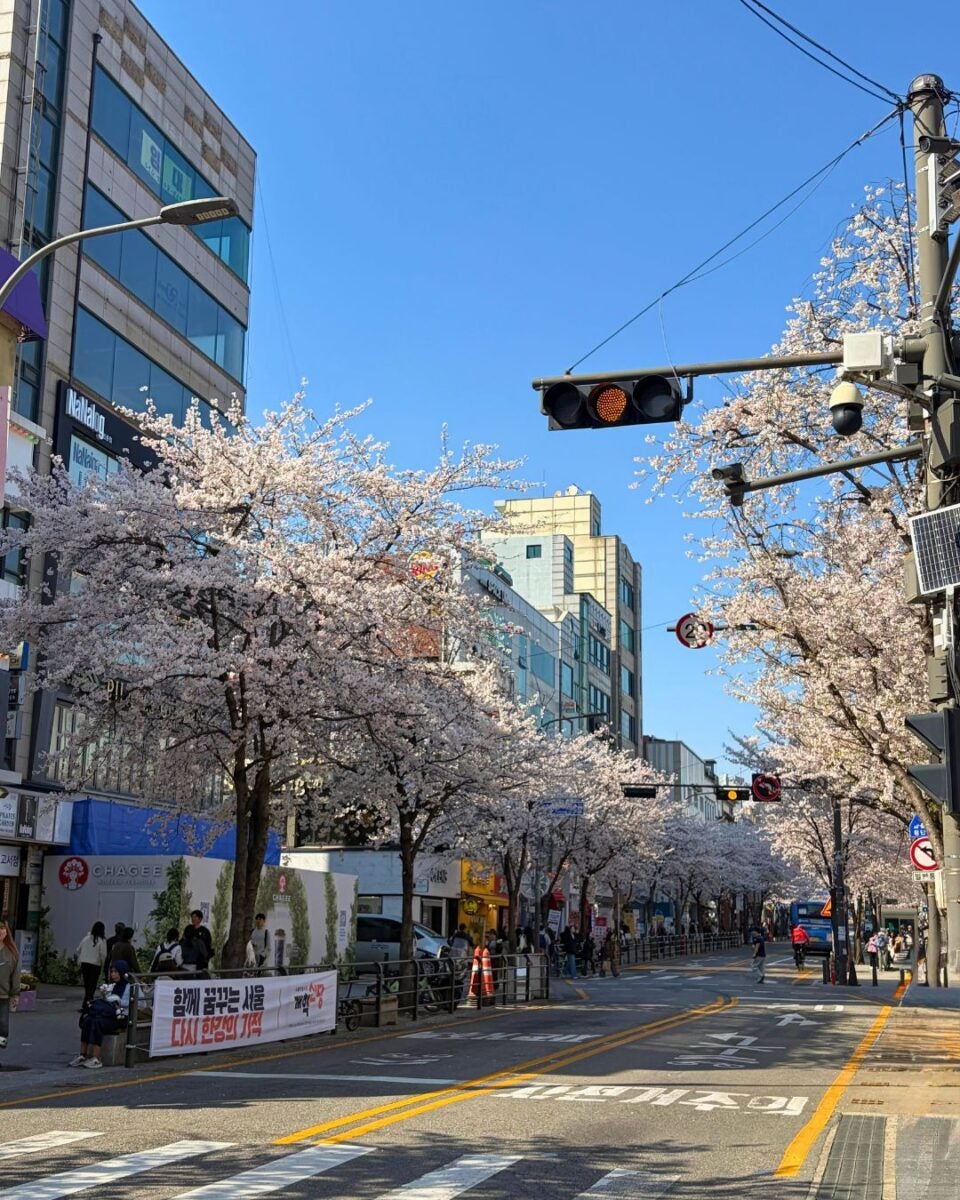
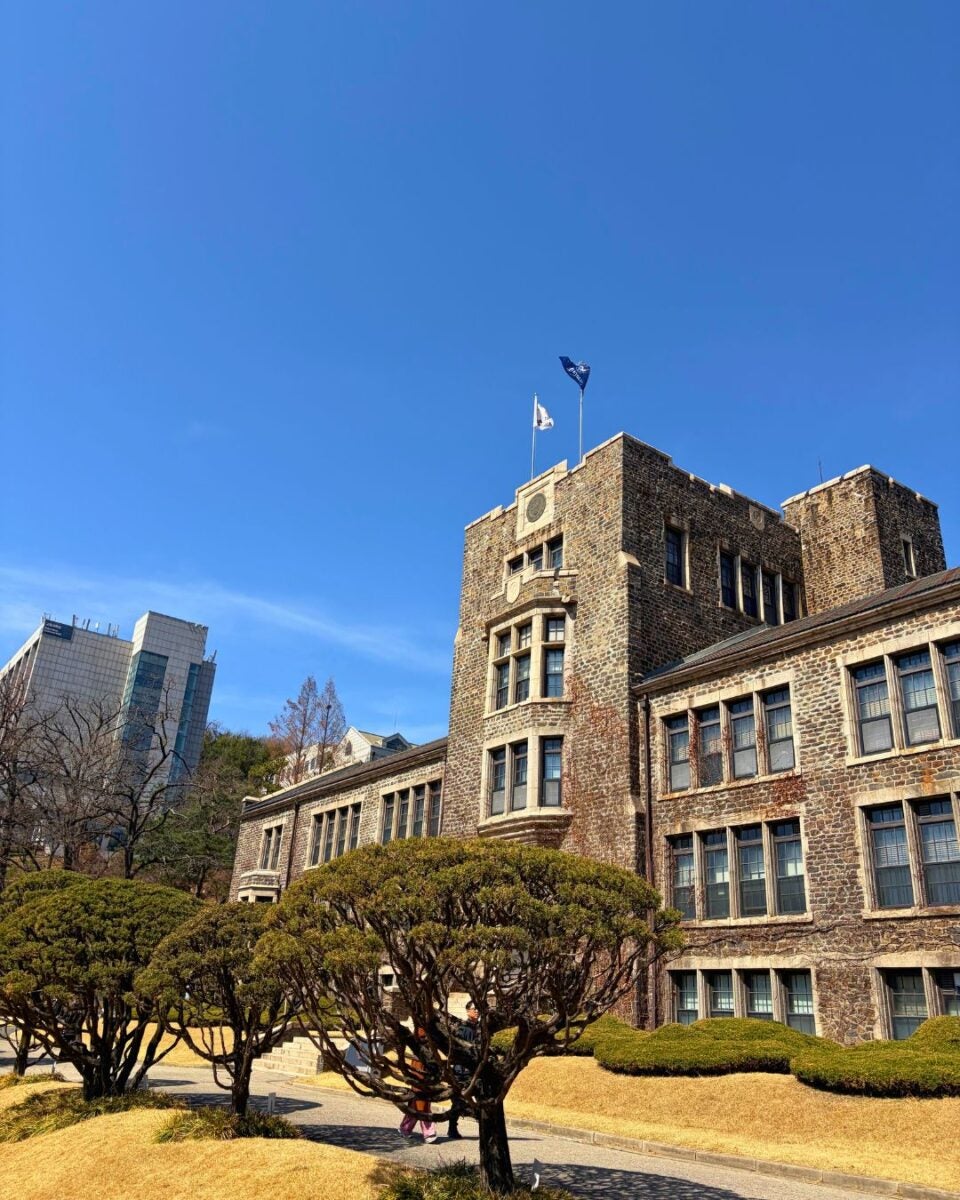
At first, I was impressed by how much time I was saving — the extra 10 minutes of lunch break, the 60 seconds of getting out of the train station, and the three seconds of getting to my floor. But during my extra five minutes sitting at my desk from sprinting up the stairs to class (because I couldn’t wait by the elevators among 15 others who also needed to get to the top floor), I began to think, What exactly am I rushing toward?
Through the few weeks that followed, along with the articles I read about this Ppali Ppali culture for class, I learned that this fast-driven environment, as efficient as it is, also has its flaws: The sudden braking and horn-honking from anxious drivers trying to meet timing expectations, regardless of the risk; the social interactions at stores that sometimes feel more transactional than personal; and always being conscious of being the one holding up the line or taking too much time. However, this way of living is also why so many people who travel to Korea often feel amazed by the country’s convenience, affordability, and productivity.
Coming to study abroad, one of my goals was to learn about the differences in culture and see how they shaped that place. Even though the aggressive traffic horns and sudden brakes shocked me at first, I have realized that the same notion is what built such a timely and rapid public transportation system.
While I originally thought the differences between Austin and Seoul would shine the most in food, music, or architecture, I found it most clearly in the small crevices of daily life.
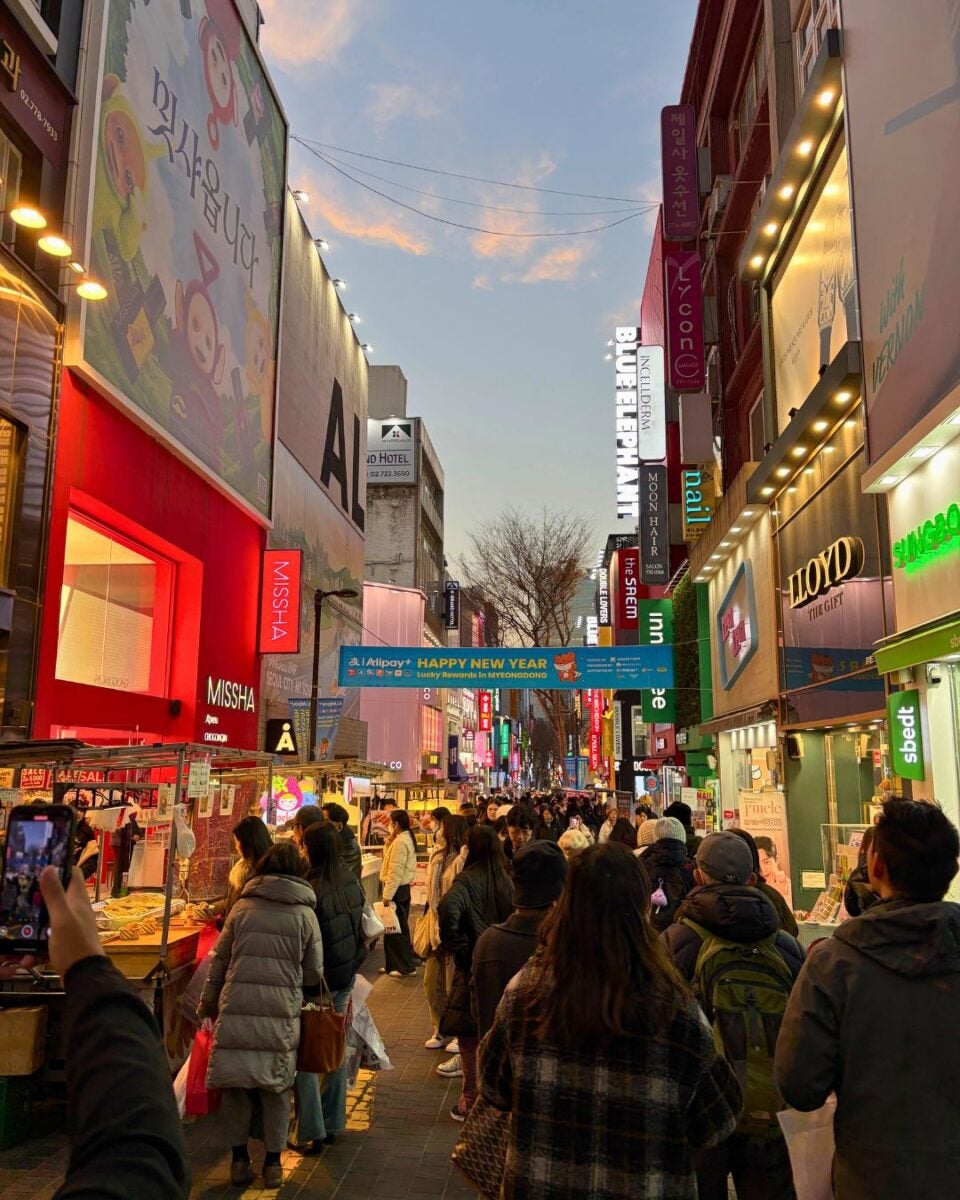
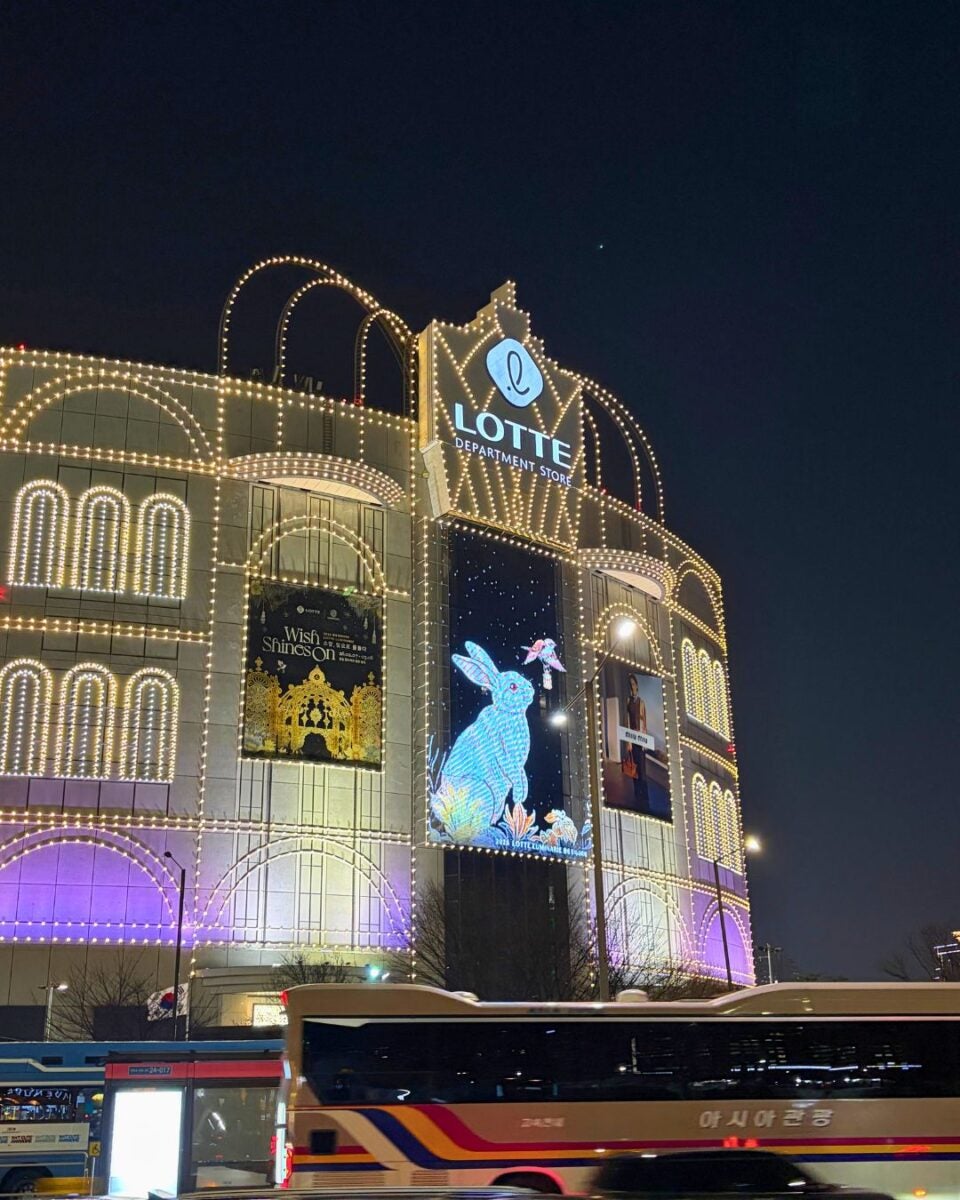
Even within the month of being here, I feel that I’ve changed. My definition of what I call normal — and even the realization that I had a set notion of what I call “normal” — has shifted. Now I have a newfound appreciation for slow moments in life and moments that sometimes seem like a waste of time. I’ve realized that, although the 8282 spirit is a double-edged sword, it cuts through my old perspectives and introduces me to this new, vibrant world.
Throughout your study abroad, wherever it may be, I hope you also have this life-changing experience, a reminder that the more you step outside of your own bubble, the more you learn how much there is to learn.
This blog was contributed by Haru Ibuka, Global Ambassador for Spring 2026. Haru is a College of Natural Science sophomore participating in an exchange program at Yonsei University in Seoul, South Korea.