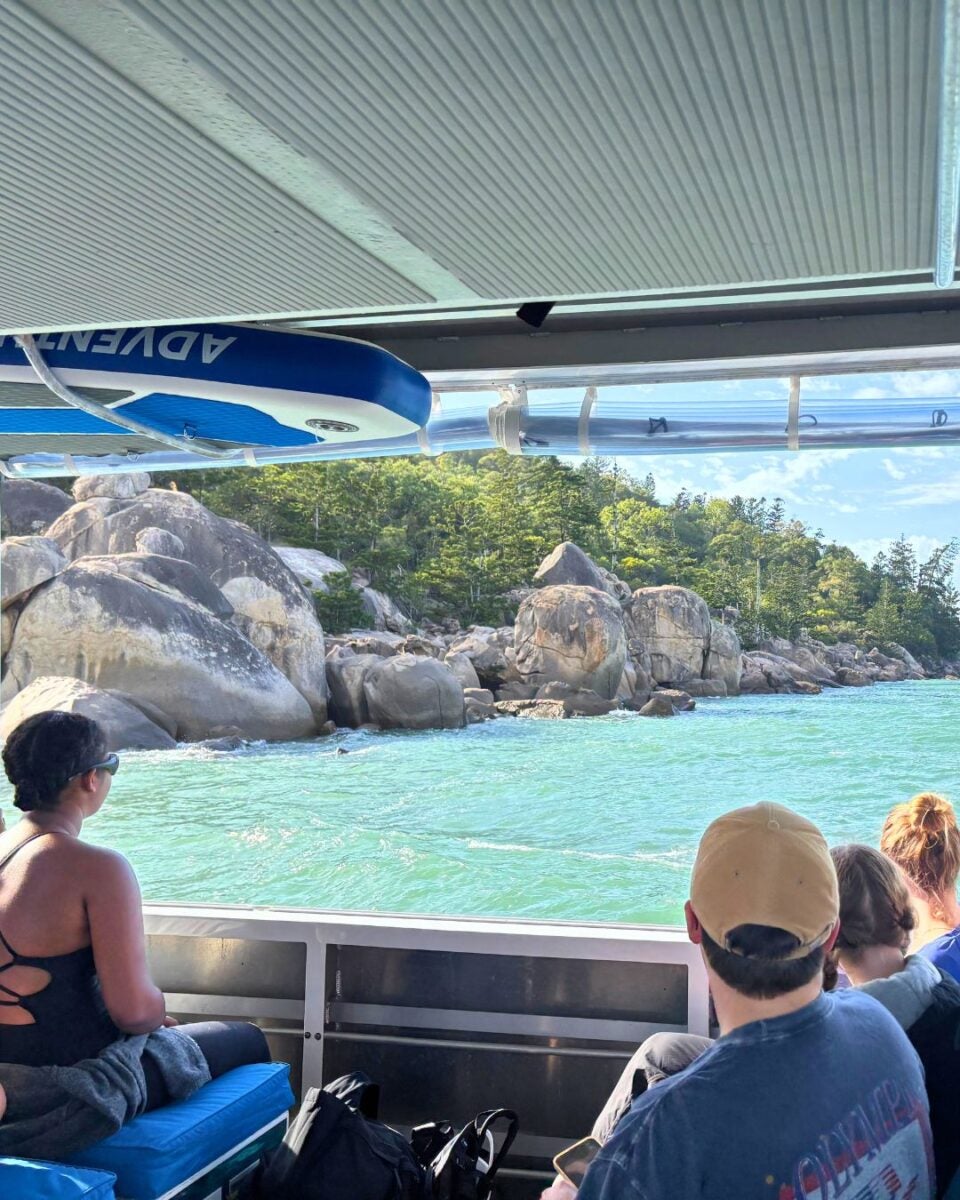
Just like everyone else, I stare off the edge of the boat. Sea breeze flittering through our hair, all eyes transfixed on the rock formation that sits just in front of us. As we ebb and flow with the wind, the boat rocks gently from side to side. It is a delicate balancing act — or so it seems.
The rocks stand balanced on each other as if one gust of wind could bowl them over and send them tumbling into the shallow waters that surround the island — or even onto our boat. But, like many other wonders of nature, these rocks have stood in this impossible stack for far longer than we have been living and will stand for far longer than we can observe them.
We are hardly unique in our awe. When James Cook sailed off the coast of the island, his compass went awry. When he saw these majestic rock formations, he thought he had discovered why: The rocks were “magnetical.”
While he may have been wrong with that observation, the testament still stands. Even if this island does not physically shift the magnetic field, there is something about it that lures you in.
This place is Magnetic Island, “Maggie” or Yunbenun (the name bestowed on the island by the Wulgurukaba Traditional Owners). Just off the coast of Townsville, Australia, it is home to rock wallabies, koalas, cane toad races, fringing coral reefs, and a UNESCO World Heritage Site.
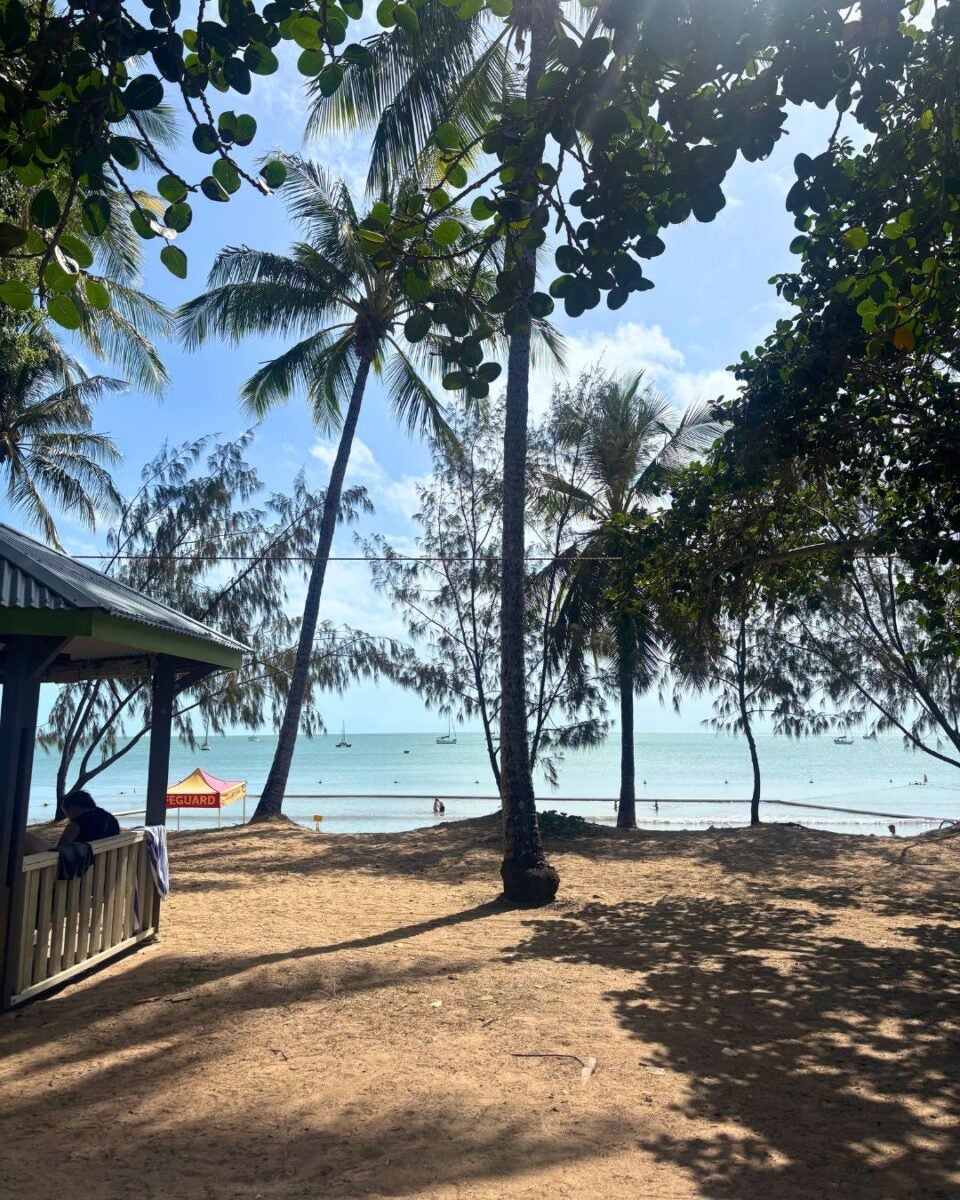
We started the trip with a tour led by Tim Bee, a Maggie resident for several decades. As our introduction, he took us to his home, which doubles as a koala hospital. As he explained the process of koala rehabilitation, we saw a small animal jumping through the grass — a cane toad.
This small creature appeared cute, but ask any of the locals, and you will find that these animals develop into quite disgusting adults, an invasive species in this part of the world. Known to poison household pets, outcompete native species and wreak havoc on sugarcane crops, cane toads were introduced into Australia in 1935.
But at the Arcadia Hotel, where cane toads are assigned a color and a name, tourists and locals can place bets on toads in the infamous Cane Toad Races of Maggie — an island tradition every Wednesday night for 40 years.
Speaking of introduced species, Maggie hosts an estimated 600 to 800 free-roaming koalas in the eucalyptus trees on the island. Their best natural habitat is on Forts Walk, a hike into the lush mountains lined with eucalyptus and home to what remains of World War II coastal defense fortifications. Originally intended to spot Japanese ships on their way to Sydney in the Pacific Theater, the forts now serve as lookout points over Maggie’s beautiful bays and beaches.
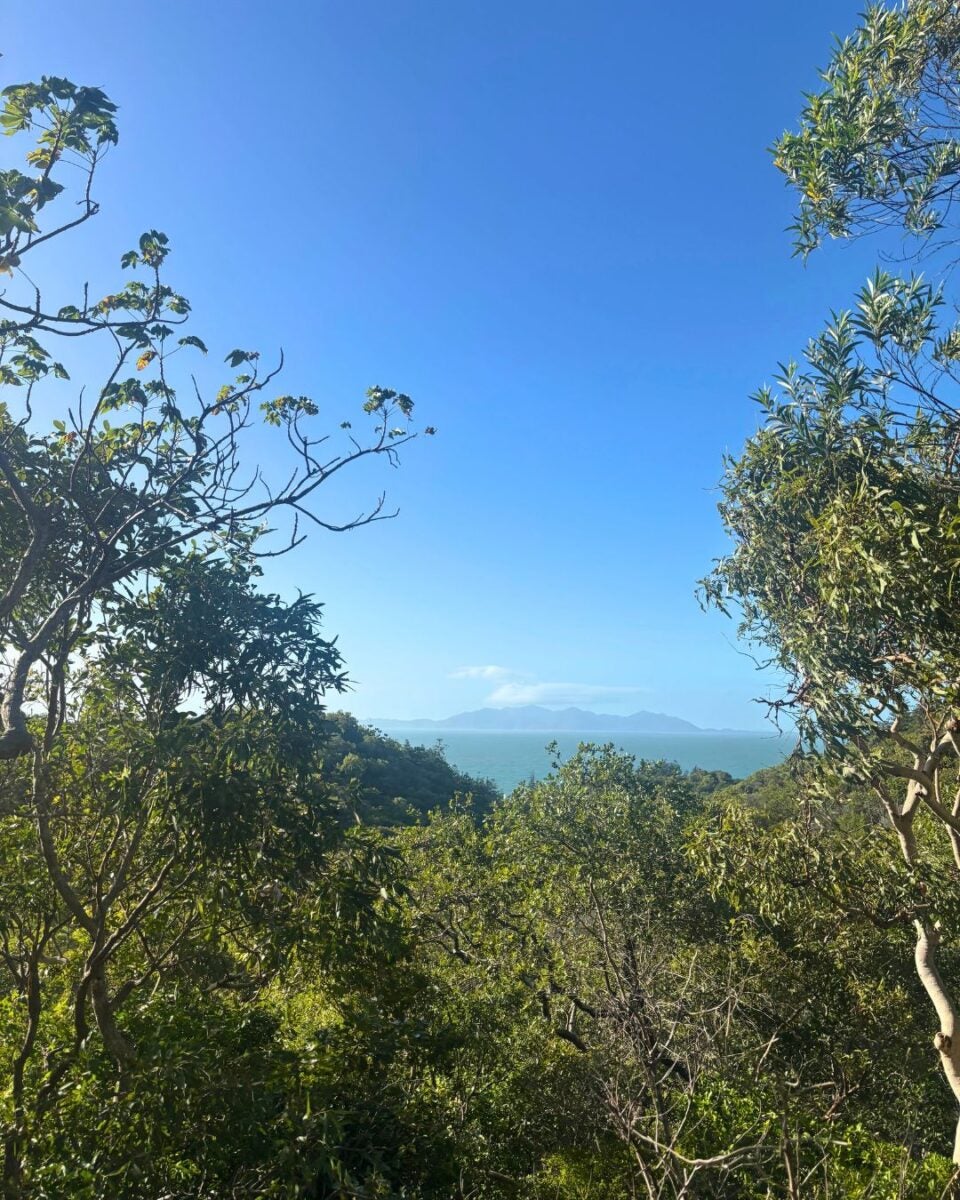
From the top, we looked out onto the Coral Sea. But on our way up, we saw at least two wild koalas sleeping soundly. While the koalas are not native to Magnetic Island, they are welcome permanent guests among the trees, for all to enjoy.
Since Maggie’s listing as a UNESCO World Heritage Site in 1981, the island has walked a delicate line between conservation, tourism, and community life. While only around 2,000 people call Maggie “home,” millions of tourists visit Queensland each year to experience the natural beauty of the Great Barrier Reef and surrounding islands.
Yet, places like Maggie do not simply exist as museums frozen in time; residents, tourists, conservationists and business owners shape these living communities.
On Maggie, environmental protection coexists alongside invasive species, 400 to 500 active Airbnb and short-term rentals on the island, and an aging population, with fewer children in primary school than ever before. The island’s story revolves around a constant negotiation of what it means to protect a place while still living within it.
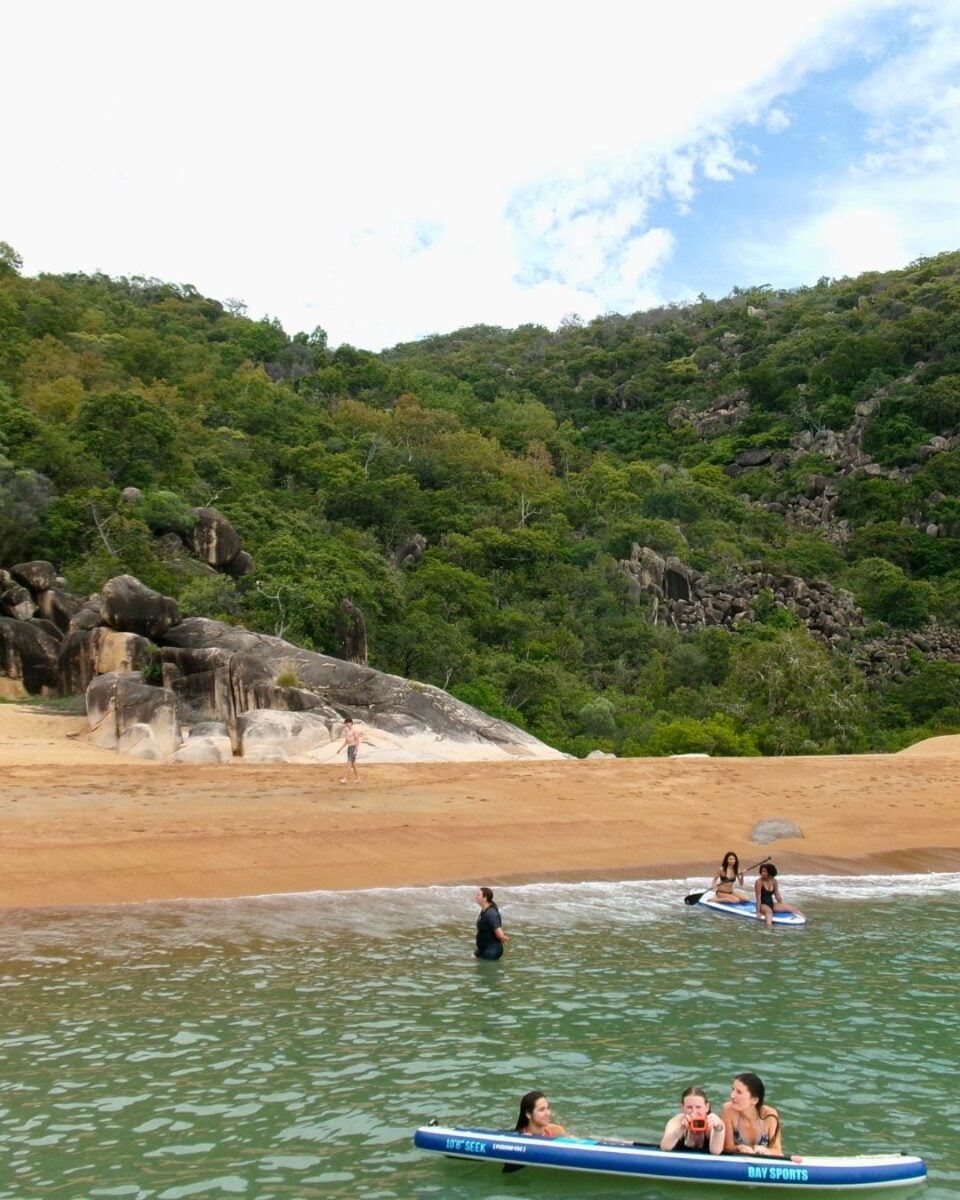
As Magnetic Island became a silhouette in the distance, I remembered the parting message of a panel we attended with residents of the island community: “Every place has a story, and you can be a part of it.”
As we continue our travels, I am collecting stories, pictures and memories of life in North Queensland. But every moment — feeding rock wallabies in Geoffrey Bay, talking to locals about feral cats, eating fish and chips on the beach, and observing the rock formations off the coast — we are weaving our part in the story of Magnetic Island.
In every moment we record and share, we participate in stewardship of the island, conserving it and preserving its memory for the future — and hopefully inspiring more people to protect it.
This blog was contributed by Sara Allen, Global Ambassador for May 2026. Sara is a College of Liberal Arts senior participating in the faculty-led program “The Politics of Protecting the Great Barrier Reef” in Townsville, Australia.