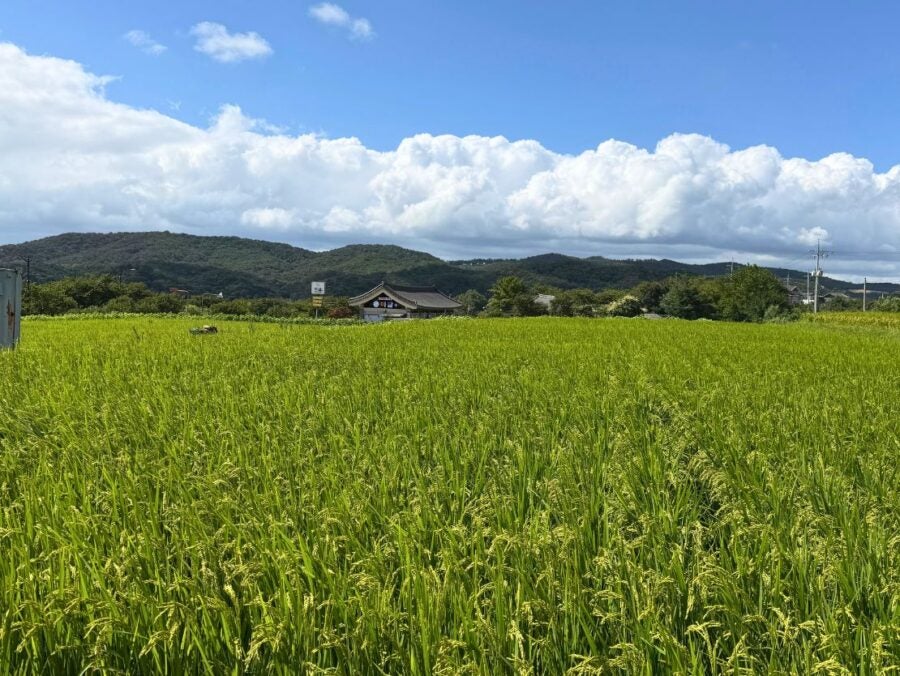
Hi! My name is Kamin, and I’m currently in Sicily, Italy, learning about the Mediterranean diet. The program I’m in is a coordinated program between the nutrition and classics departments at The University of Texas at Austin, where we are studying how culture and history have shaped the Mediterranean diet from prehistory to the present day.

Ironically, the term “Mediterranean diet” was coined by an American physiologist, Ancel Keys, after he observed a correlation between Mediterranean dietary patterns, low rates of coronary heart disease, and exceptionally long life expectancy in Mediterranean countries.
Today, the Mediterranean diet is commonly associated with the daily consumption of fruits, vegetables, whole grains, olive oil, legumes, nuts, and spices; regular intake of fish and seafood; moderate amounts of dairy products; limited red meat and processed food; and, perhaps most importantly, physical activity and social connection. However, this dietary pattern did not emerge randomly. It developed through centuries of political influence, geography, religion, and trade.
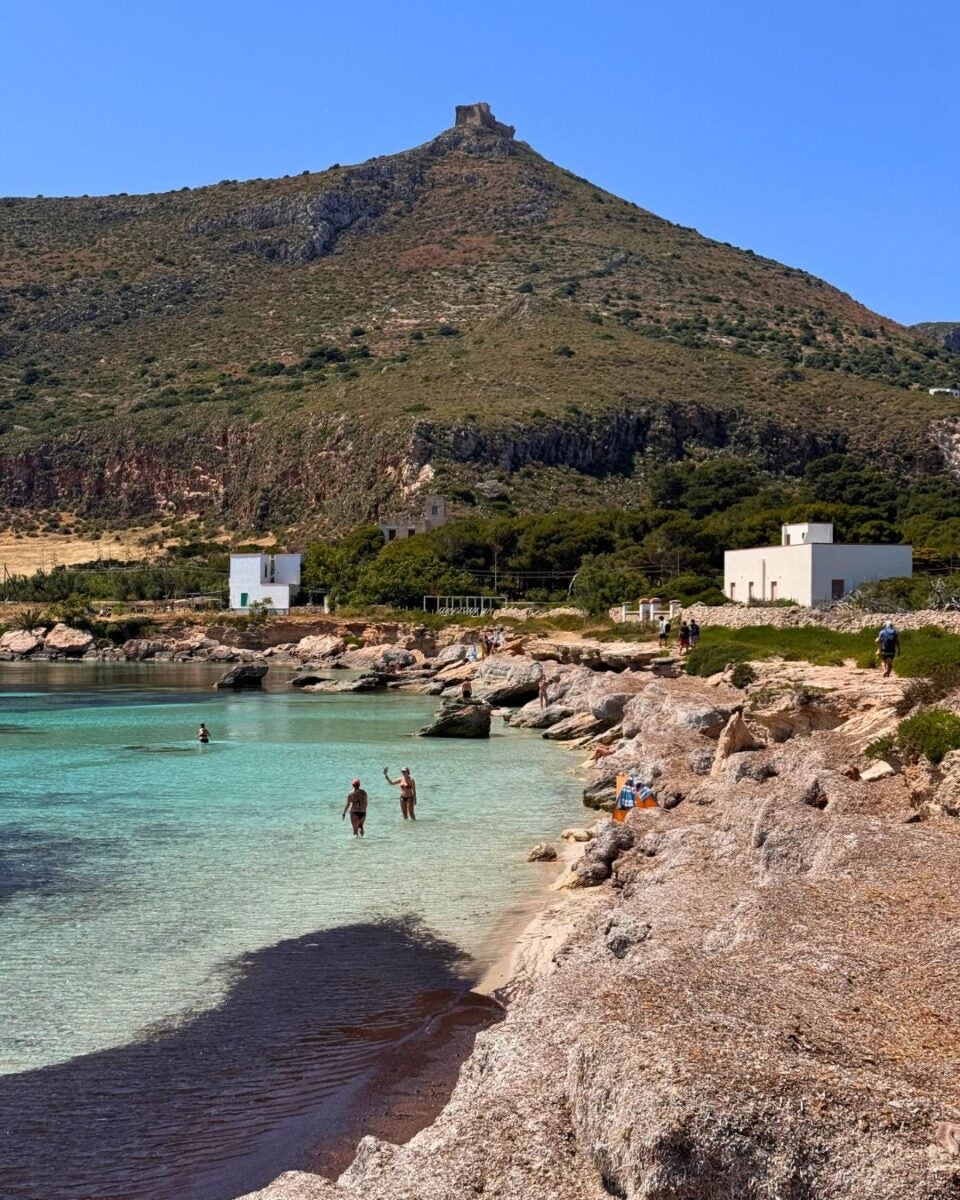
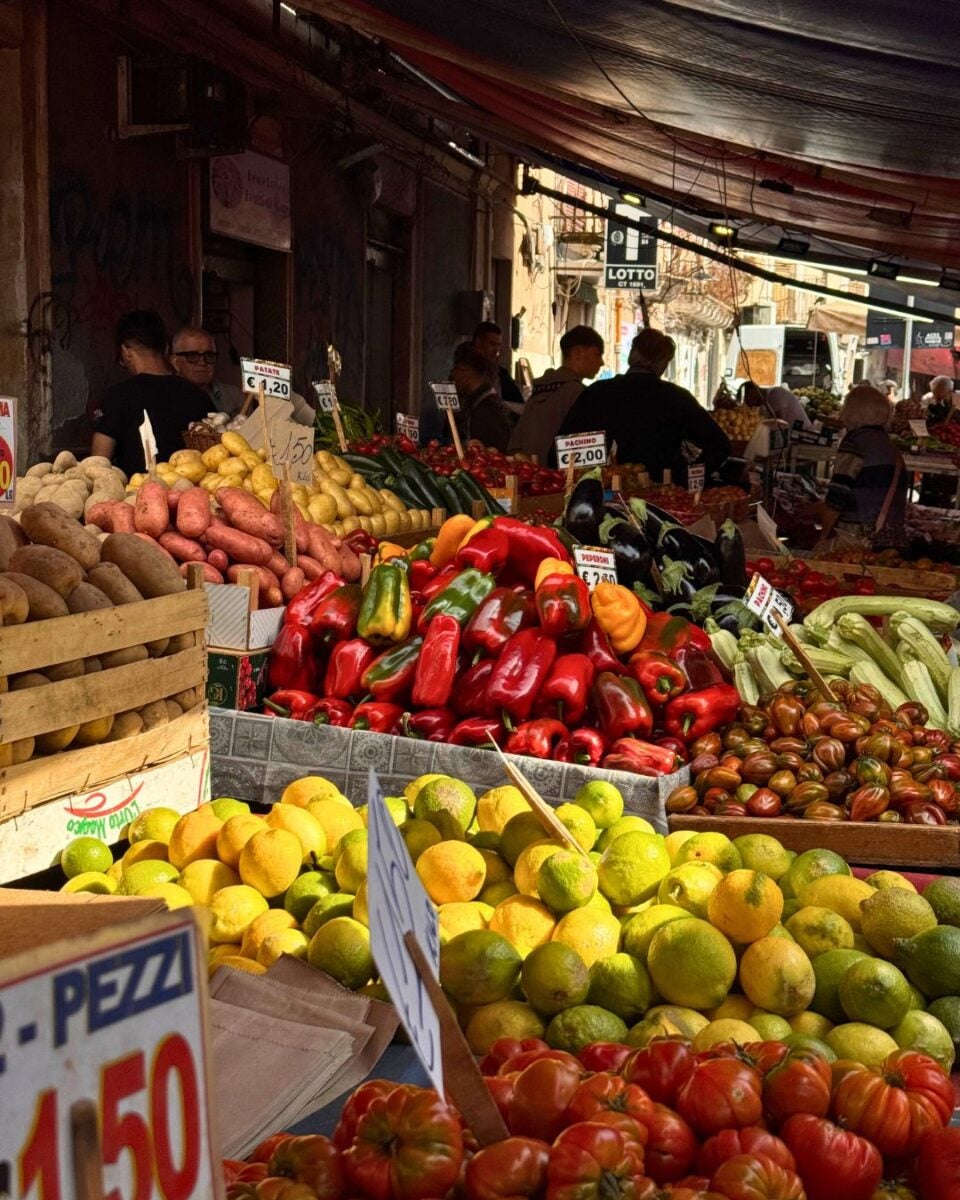
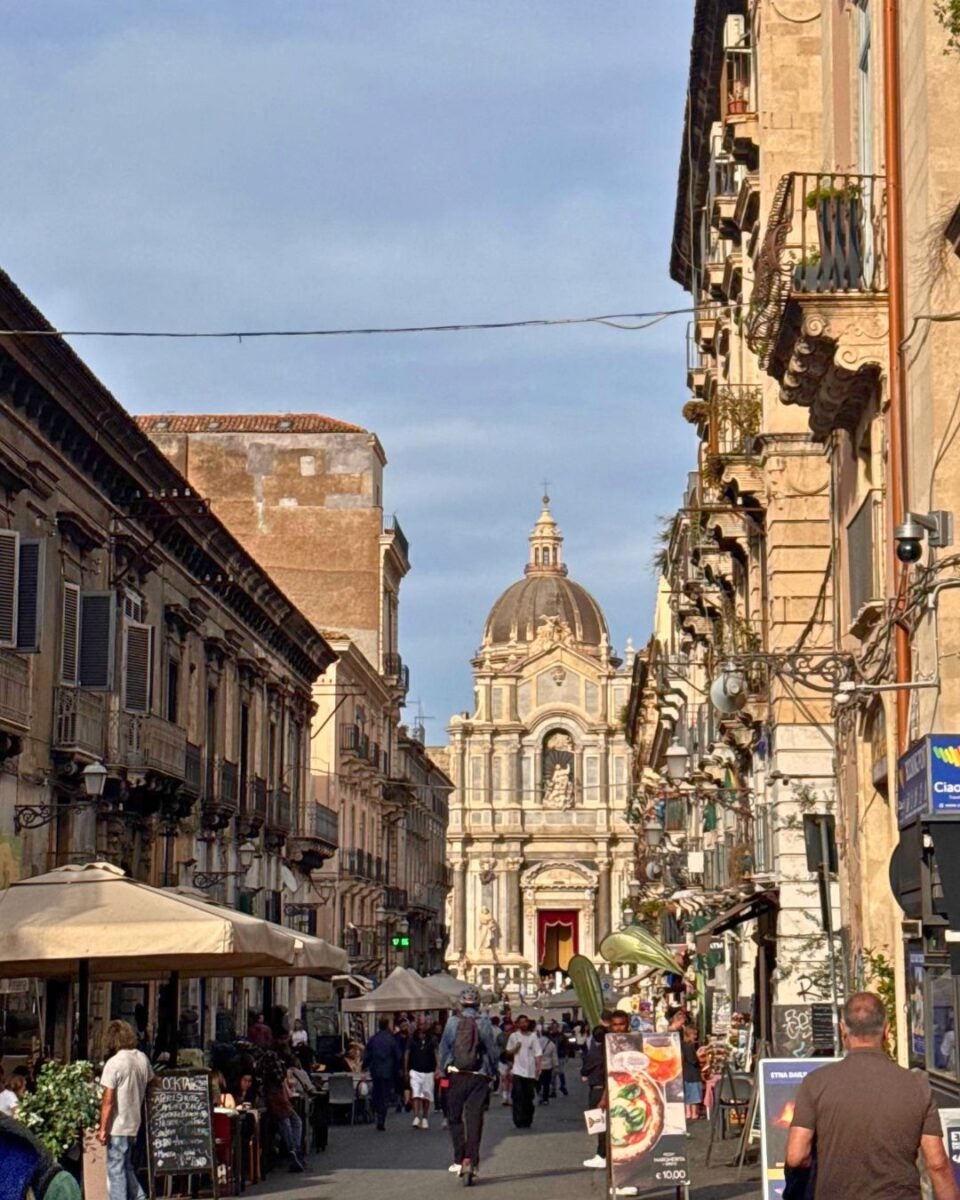
Sicily, in particular, sits at the crossroads of Europe, North Africa, and the Middle East, making it a strategic center for both trade and military conquest throughout history. Over centuries, the Greeks, Romans, Arabs, Normans, and Spanish all controlled the island, each leaving behind lasting cultural and culinary influences. These rulers not only brought political change but also introduced new ingredients and agricultural methods that continue to shape Sicilian cuisine today.
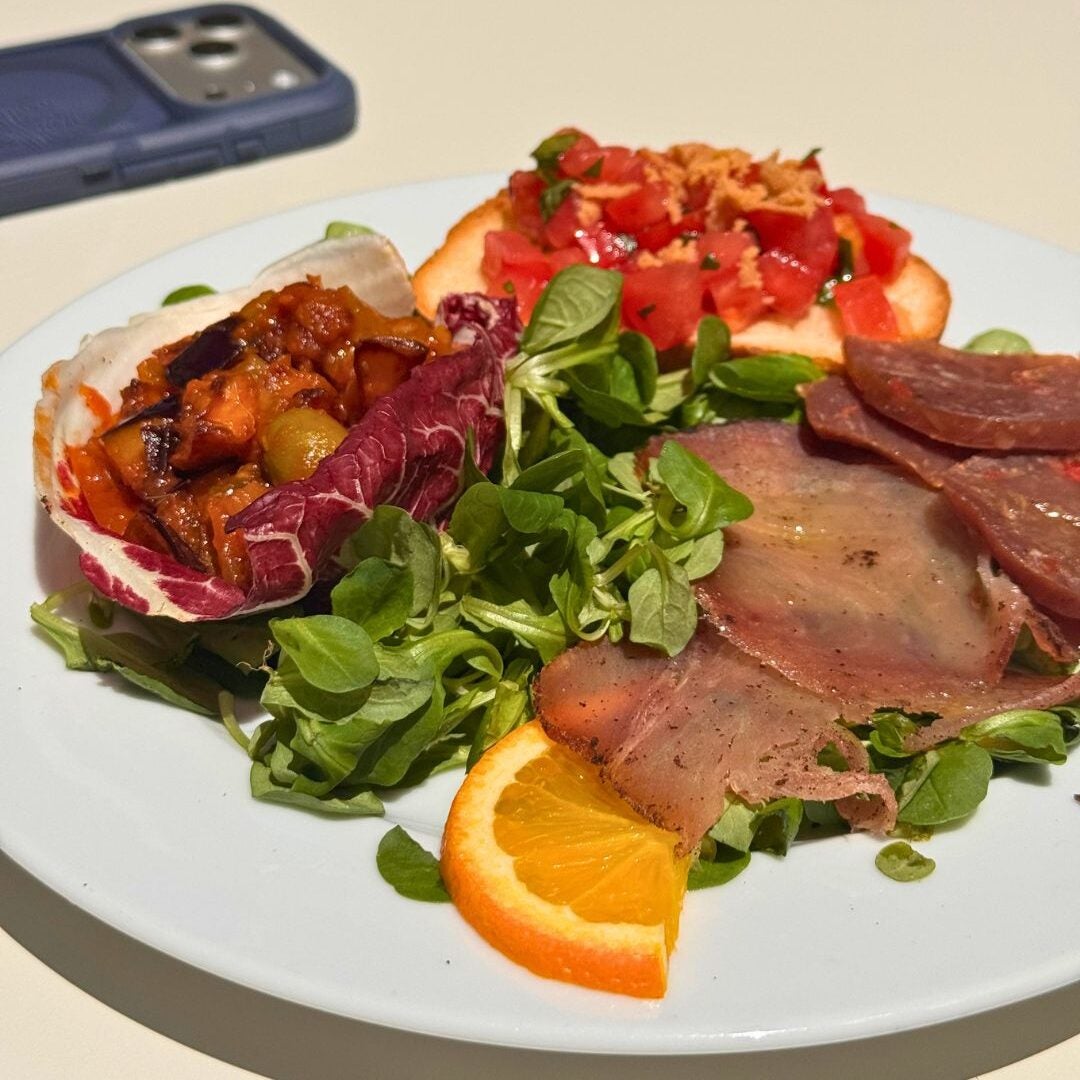
One of my favorite dishes during this trip has been caponata, a traditional Sicilian appetizer made with eggplant, tomatoes, celery, olives, and capers. Eggplant and tomatoes, for example, are not native to the island. Eggplant was introduced between the ninth and 11th centuries during Arab rule, while tomatoes arrived later through Spanish influence following the Columbian Exchange.
Trying dishes like caponata made me realize that even though these ingredients originated in other cultures, they have become fully integrated into Sicilian cuisine and traditions today.
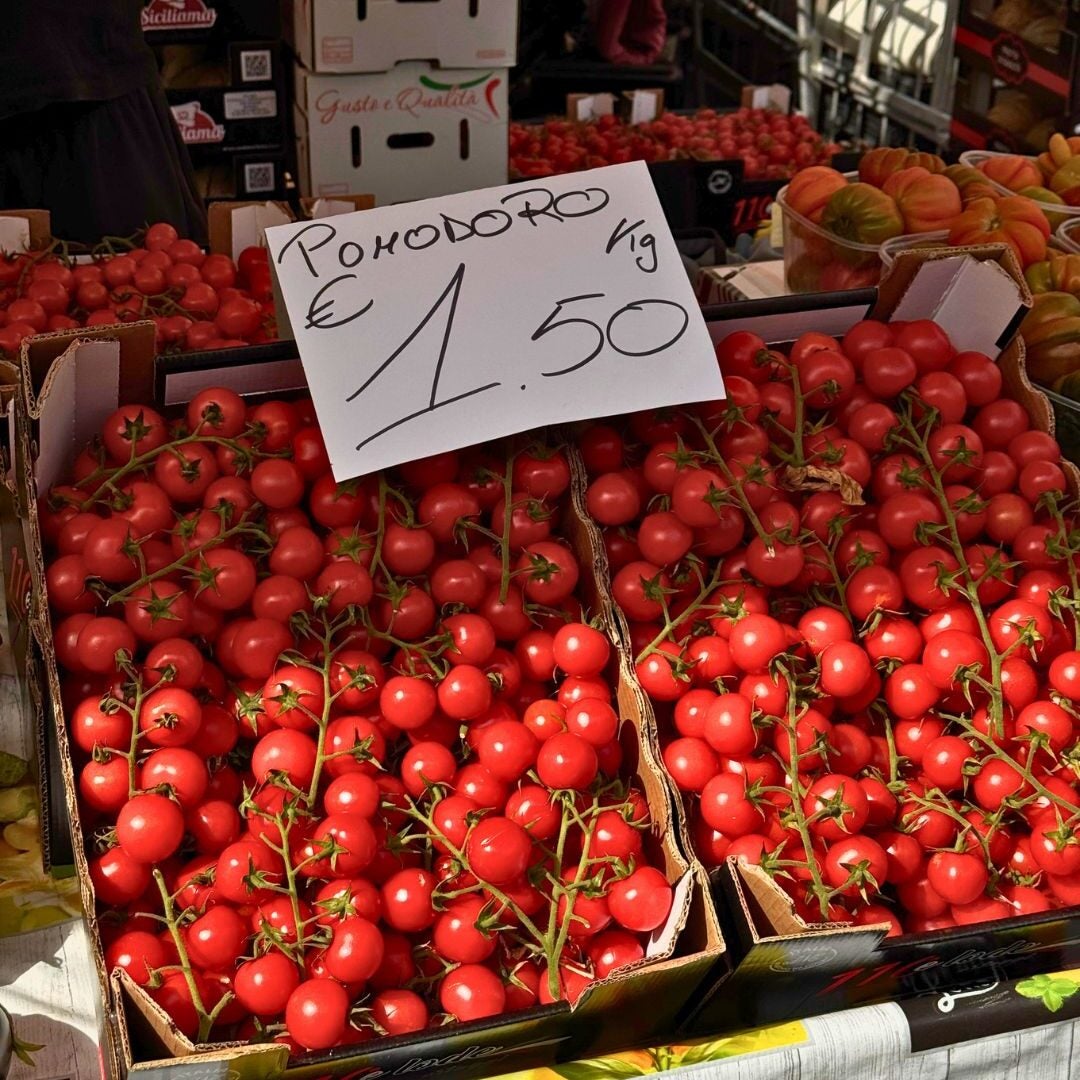
In addition to crops, these civilizations also introduced agricultural innovations. The irrigation systems developed under Arab rule, for instance, enabled larger-scale, more efficient agricultural production across the island.
Sicily’s geography has also played a major role in shaping its food culture and agricultural success. Sicily is the largest island in the Mediterranean Sea, offering ample space for a wide variety of landscapes, from fertile plains and rugged mountains to an active volcano and a long coastline that supports a range of agricultural production.
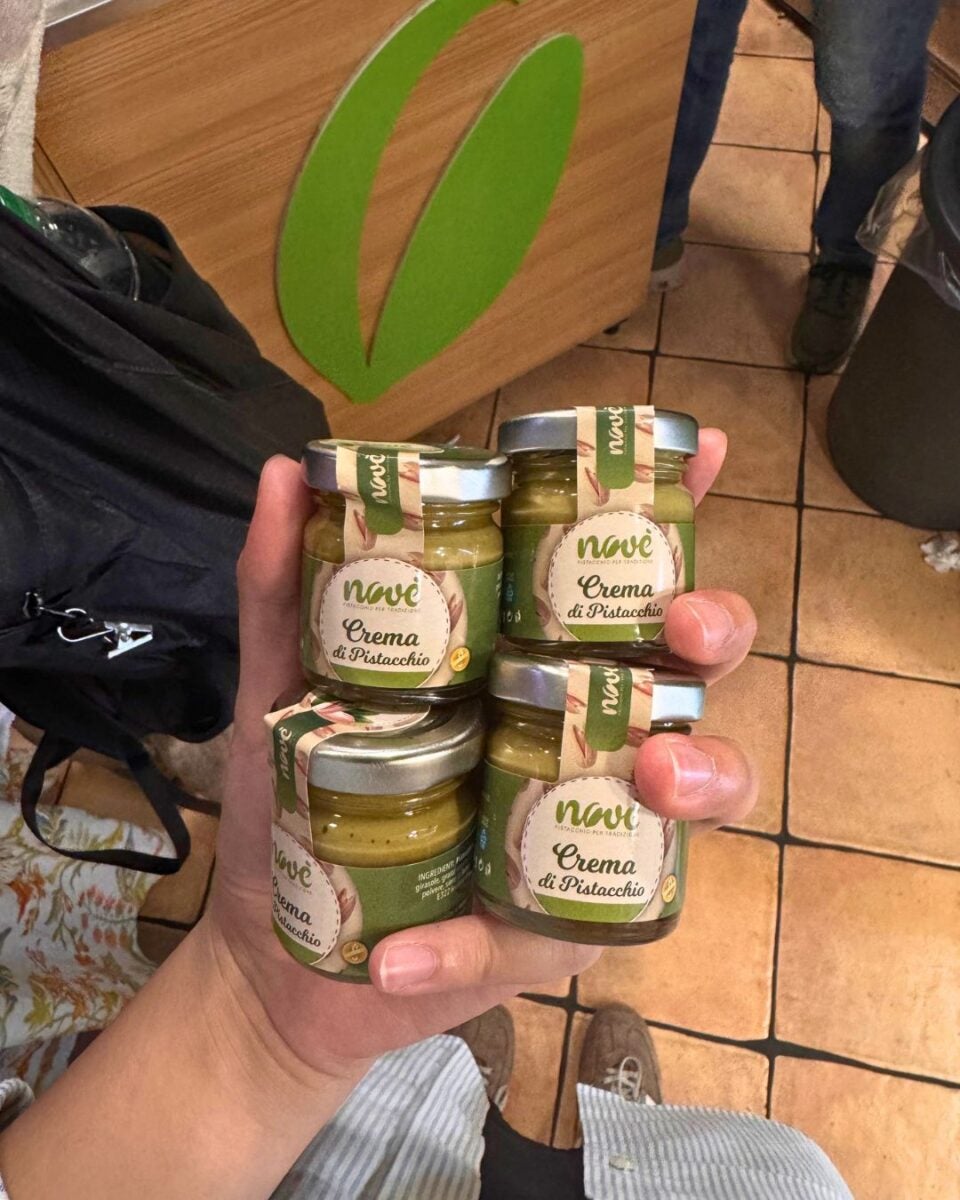
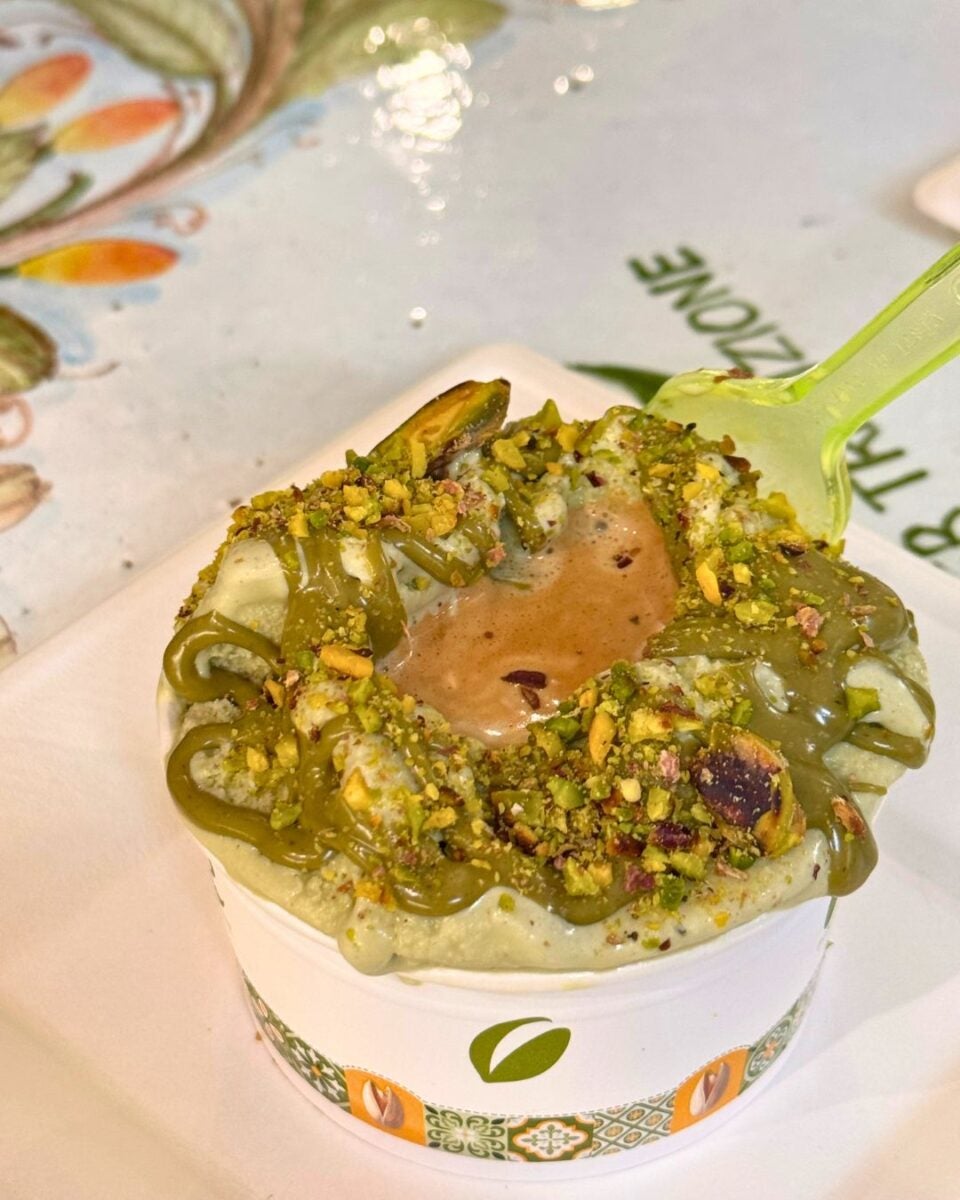
The volcanic soil surrounding Mount Etna is rich in nutrients and well-suited to growing grapes and pistachios. These crops are economically significant because they can be processed into a variety of local foods and beverages for both domestic and international markets. Sicilian wine, for example, accounts for a significant portion of Italy’s annual wine production, while Bronte pistachios are internationally recognized for their high quality.
During my visit to the town of Taormina, I even came across entire stores dedicated to products made from Bronte pistachios, showing how important these regional ingredients remain today.
Meanwhile, the plains of central and southern Sicily provide ideal conditions for wheat and grain production. The combination of fertile soil and favorable growing conditions made Sicily one of Rome’s major grain suppliers during the Roman Empire. Together, these regional differences allowed Sicily to support a highly diverse and productive agricultural system.
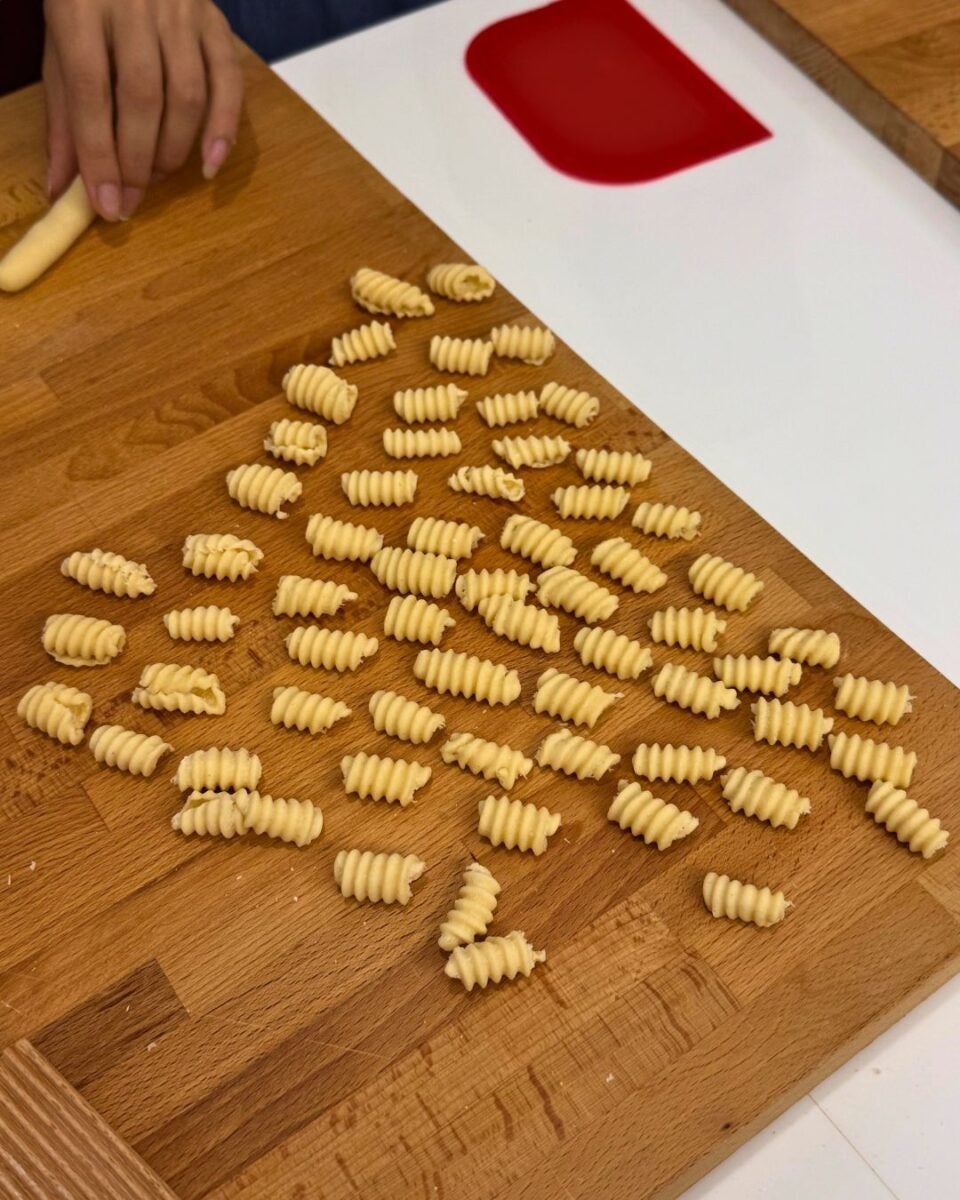
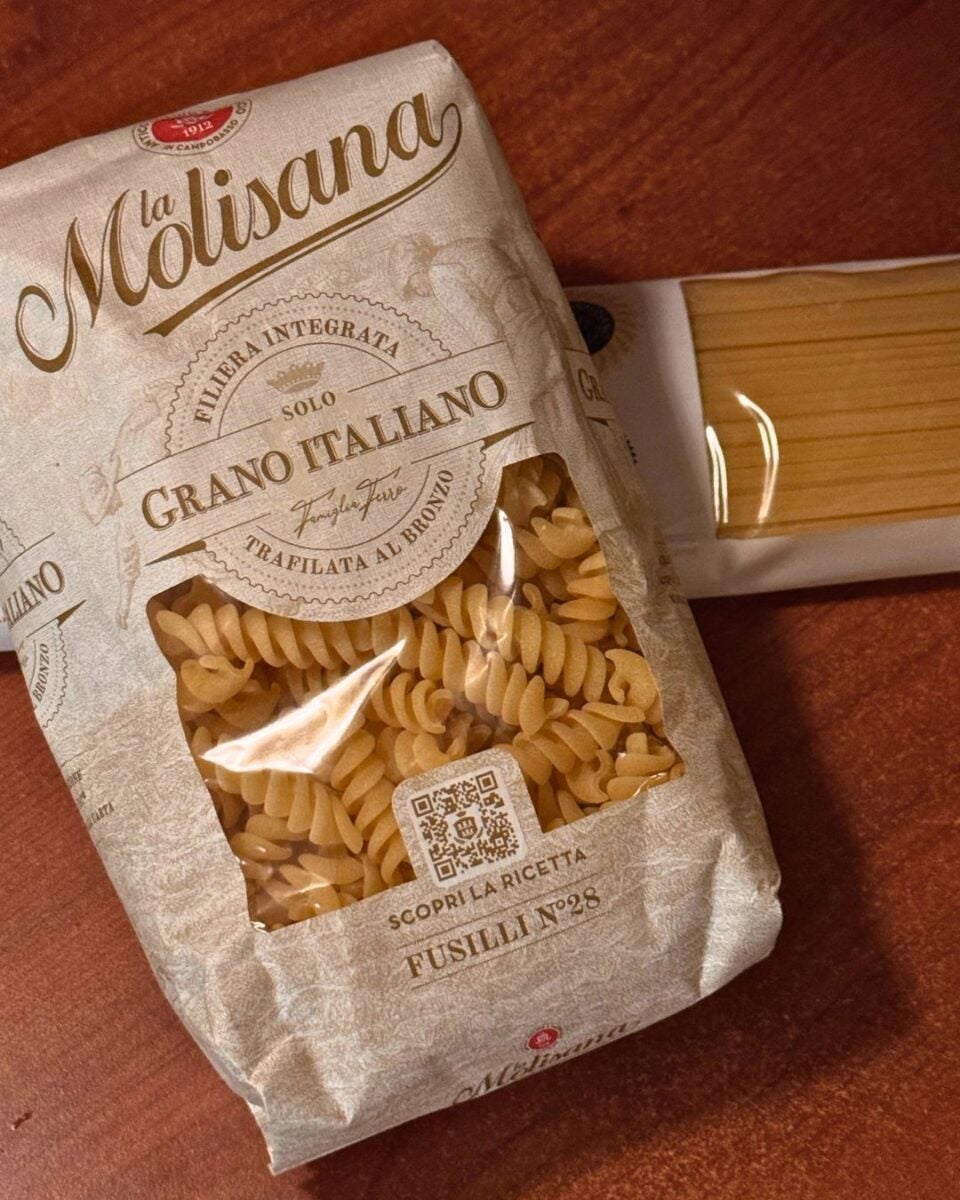
As Sicilian regional produce became better known, trade among countries began, and preservation methods were developed to maintain quality. Marsala wine is a strong example of how commerce influenced food production in Sicily.
As demand for Sicilian wine grew internationally, producers needed ways to preserve the wine during long-distance transport. To prevent spoilage, they increased the wine’s alcohol and sugar content, resulting in a sweet dessert wine that helped stabilize it and allowed for more effective exporting.

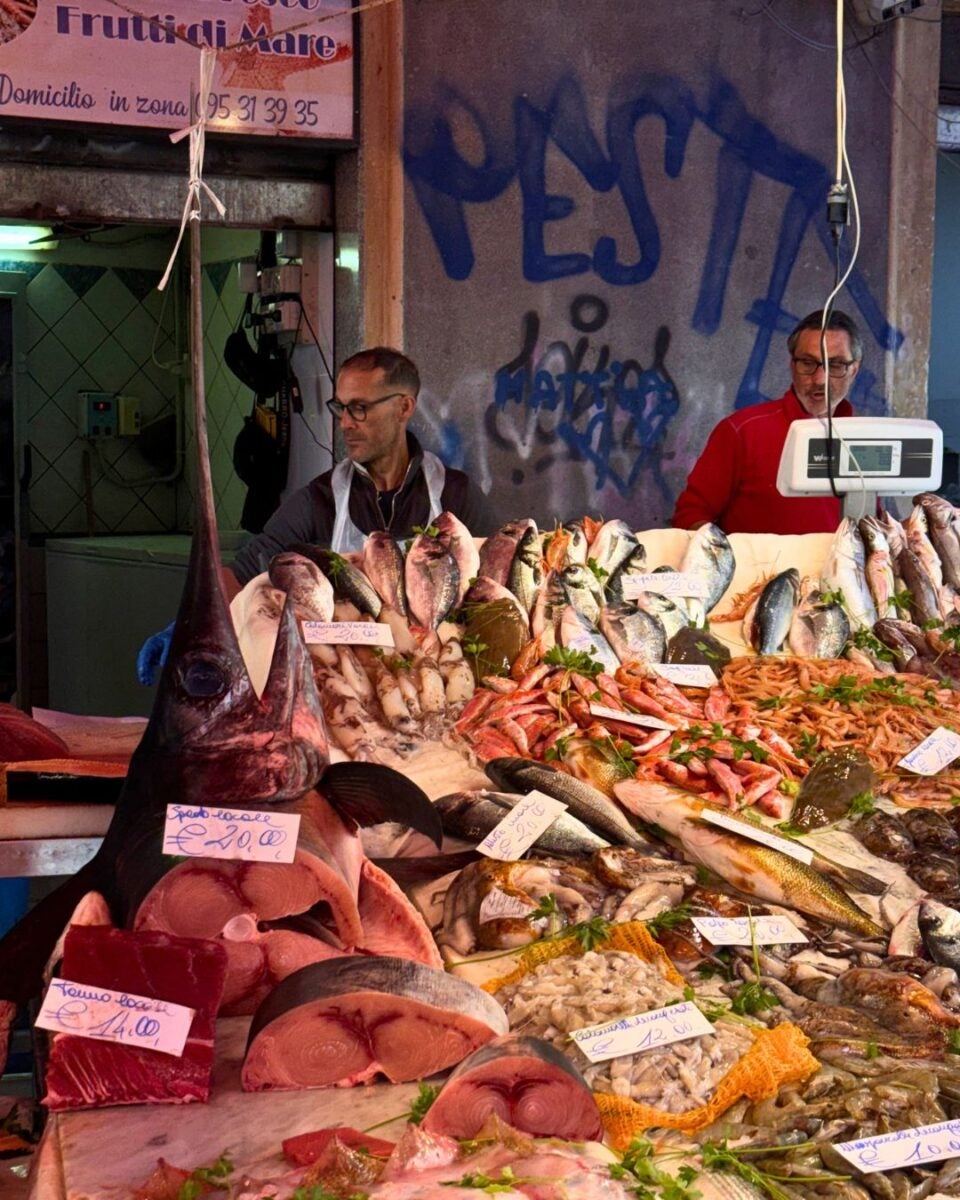
Beyond political, geographical, and commercial factors, beliefs and cultural practices also influenced dietary habits throughout the Mediterranean. In ancient societies, animals such as cows, goats, and sheep were not regularly consumed because they were economically valuable and were often reserved for religious sacrifice. Meat was typically eaten only during special occasions or ceremonies, which contributed to diets that relied more heavily on seafood, legumes, grains, and other plant-based foods.
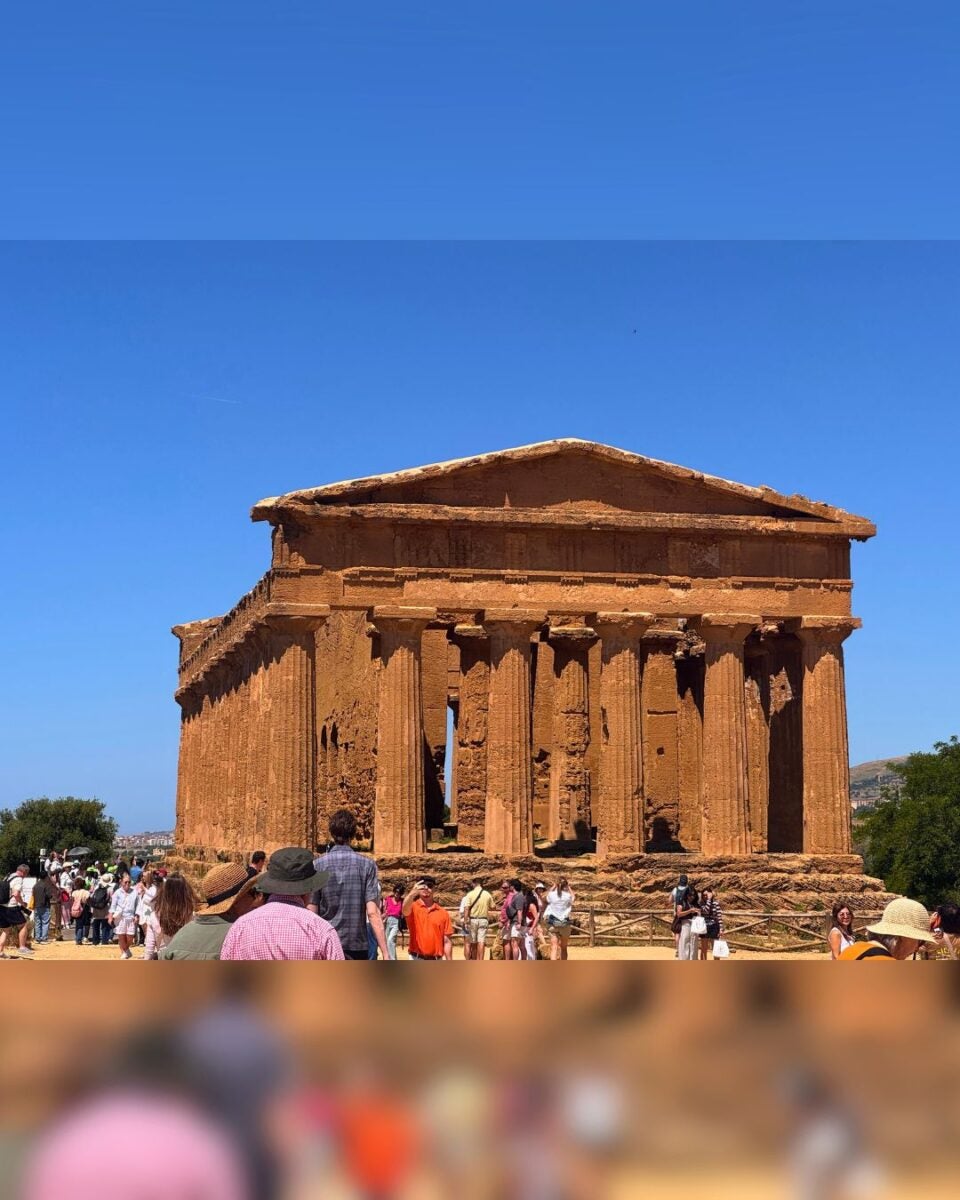
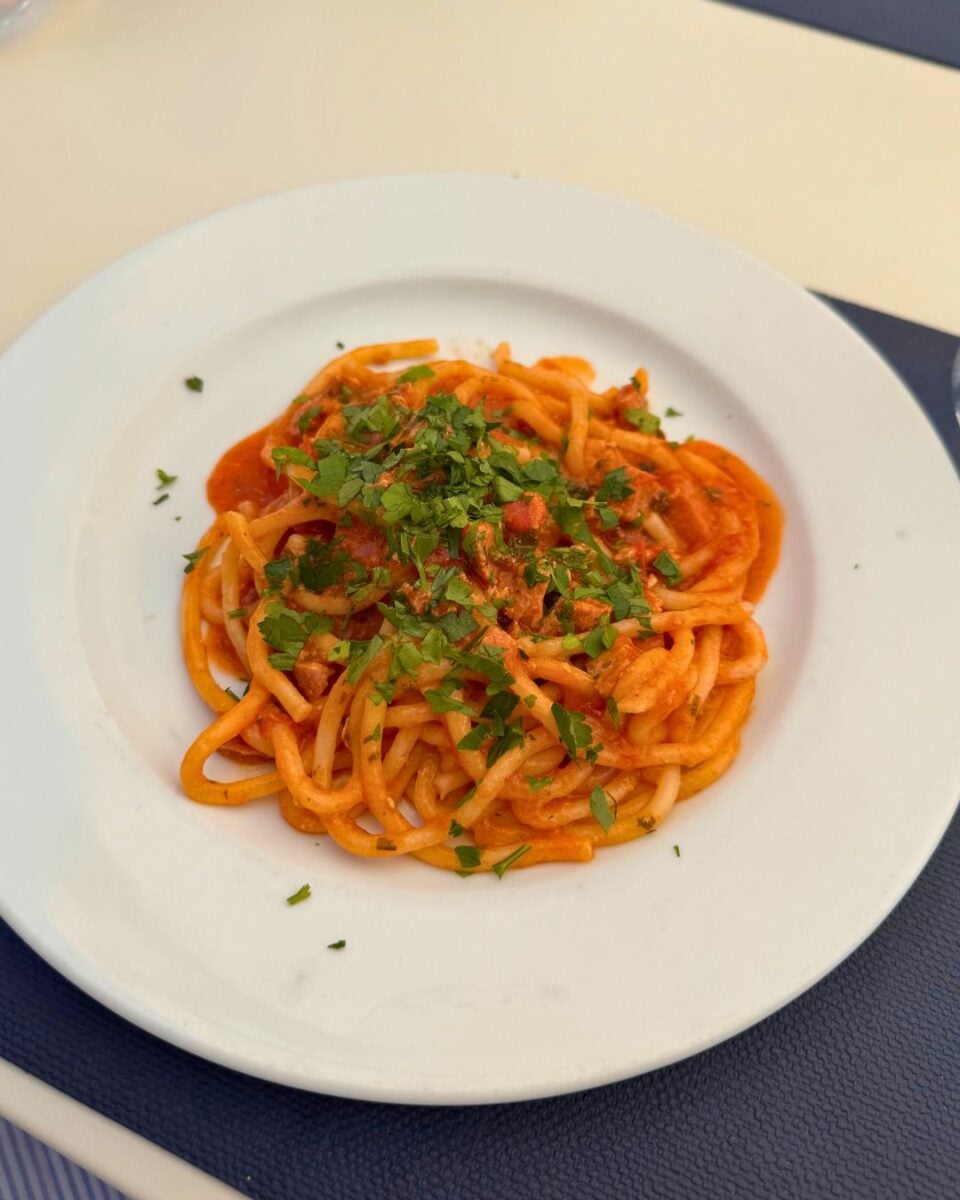
Studying the history and culture behind Mediterranean foods has changed the way I understand nutrition. Food is not shaped solely by health science; it’s shaped by geography, migration, religion, politics, and trade. Without understanding the cultural and historical context behind these dietary patterns, it would be difficult to fully understand why the Mediterranean diet has remained so influential in the region.
This blog was contributed by Kamin Katherine Klieopatinon, Global Ambassador for May 2026. Kamin is a College of Natural Sciences sophomore studying in Sicily, Italy through the faculty-led May Term program From Prehistory to the Present: The Mediterranean Diet.