Since starting my study abroad in London through the “Social Justice and Social Change: A Critical International Perspective” course, I have been asked many times, “Why are you studying abroad in the United Kingdom? Aren’t you from here?” I was born in Leeds, England, but moved to Texas when I was two. Most of my memories from growing up in England consisted of drinking tea and playing in my grandparents’ backyard. However, I began to wonder why exactly I wanted to study abroad in a country I feel so familiar with.
Although I was born in England and grew up in Texas, I have often felt in between cultures — familiar with British traditions but shaped by American values. Returning to England through this program has allowed me to reconnect with my birthplace not as a visitor, but as a student exploring how national identity and social systems influence belonging.
I always idealized England growing up, believing it represented a “truer” version of home. It was not until this past year at The University of Texas at Austin that I learned to appreciate the culture I grew up in and that a sense of belonging is not something we inherit; it is built through understanding and engagement.
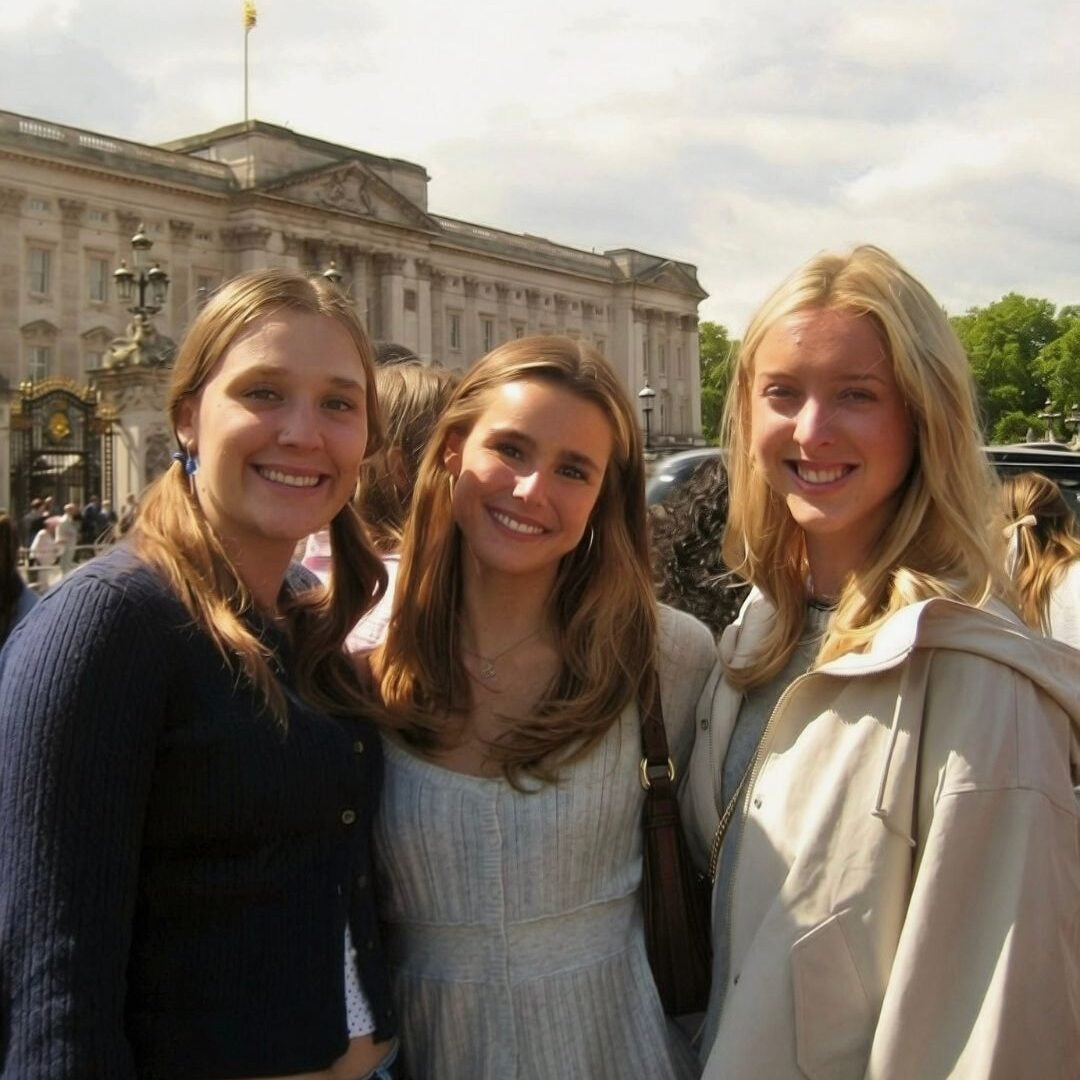
Through this program in London, I have gained a firsthand lens of how another country’s welfare state operates within communities, not just as policy but as a lived practice. Taking this course and engaging directly with social institutions has helped me see how governance, social work, and public responsibility intersect by visiting the locations where we are learning about their communities.
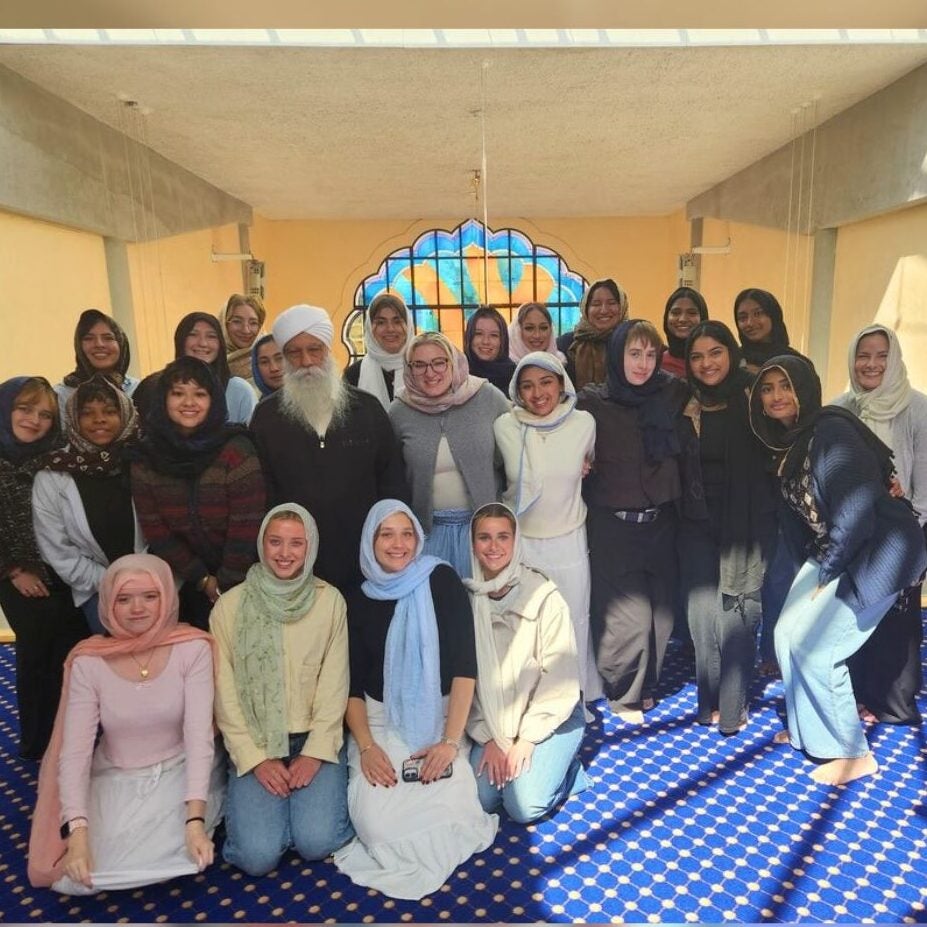
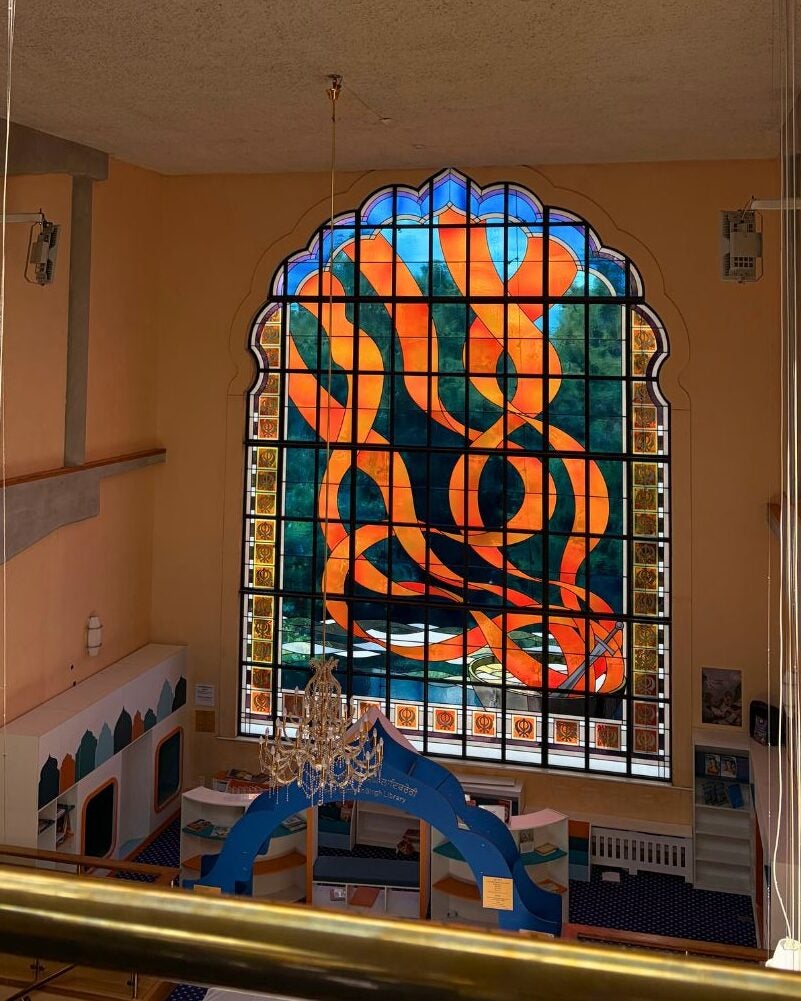
During one of our classes, we visited Southall, a part of London bursting with South Asian cultural heritage. My class visited a Sikh Gurdwara, where we sat in on prayers, ate, and learned about the history and religious practices. This beautiful architectural religious site spans the entire area and can be seen from any point in Southall. I wondered how so many people would visit beautiful churches around England but could miss this, especially since they feed anyone in their cafeteria at any time of day!
It was fascinating to see a part of England whose residents’ heritage, like mine, didn’t come from the country they live in. Growing up, I imagined England through a nostalgic lens shaped by family stories, cups of tea, football matches, and summers visiting relatives. But being here as a student has shown me a much more layered version of the country.
Places like Southall demonstrate that British identity is not singular or fixed; it is constantly shaped by migration, religion, language, and community. In many ways, seeing these overlapping identities made me reflect on my own experience growing up between cultures. Like many people in Southall, I understand what it feels like to balance heritage with the culture of the country you live in.
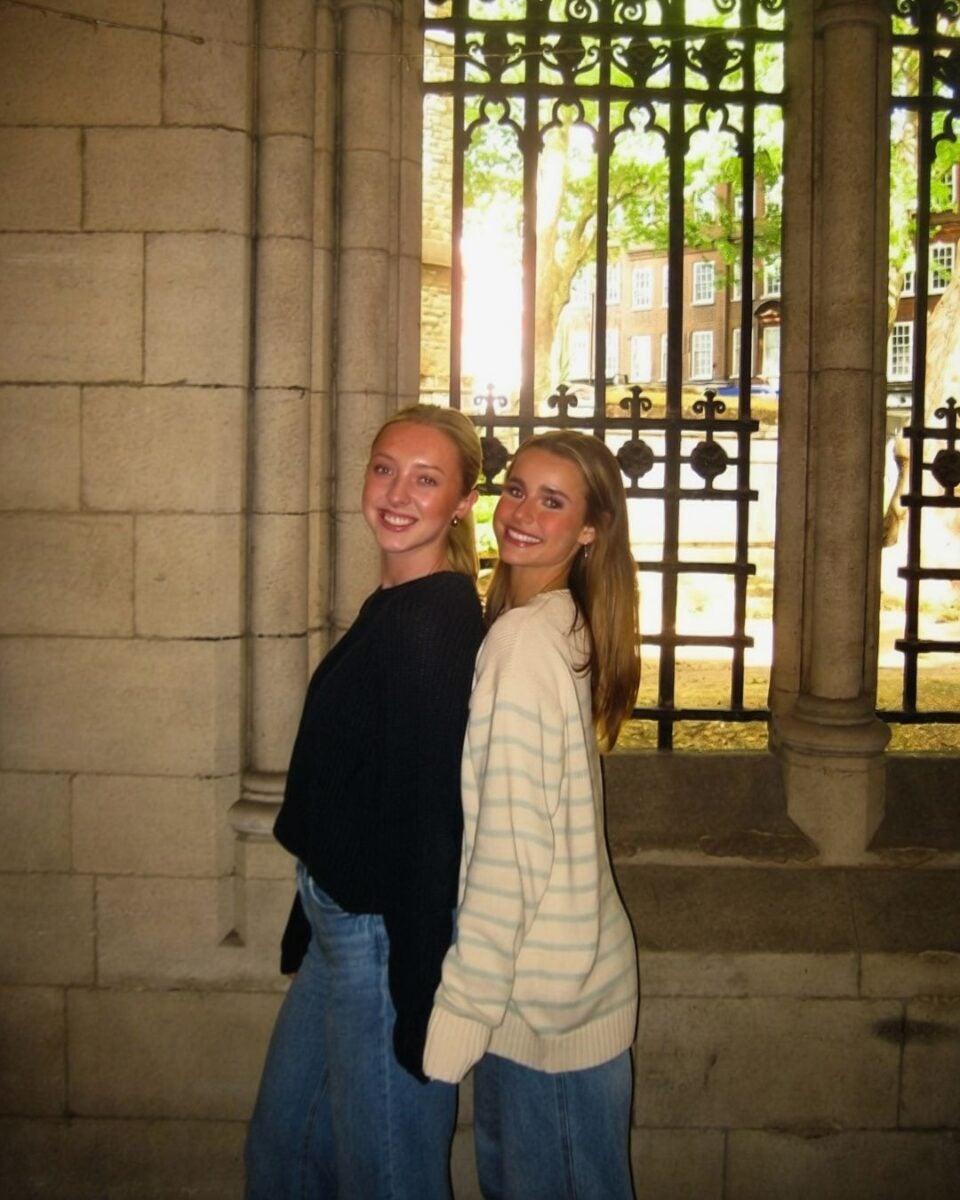
This experience has also changed the way I think about social justice and belonging. Visiting communities rather than only reading about them in textbooks has made these ideas feel human and tangible. I am beginning to understand how communities support each other and create spaces for those caught between cultures.
Studying abroad in the country I was born in has ultimately helped me realize that returning “home” has not meant to me what I thought it would. Before coming here, I initially thought I wanted to reclaim a past version of my identity. But instead, I now understand both parts of me, the British roots I came from and the American culture that shaped who I became. Rather than feeling divided between the two, this experience has helped me see that both can coexist.
This blog was contributed by Amelia Wilkinson, Global Ambassador for May 2026. Amelia is a College of Liberal Arts junior participating in the faculty-led program “Social Change: A Critical International Perspective” in London, England.