Being a first-generation college student typically comes with its own challenges in navigating the college system, from the initial university application to making the decision to study abroad. Embarking on this journey as the first in my family to study abroad has exceeded any previous expectations of what the experience would open my eyes to.
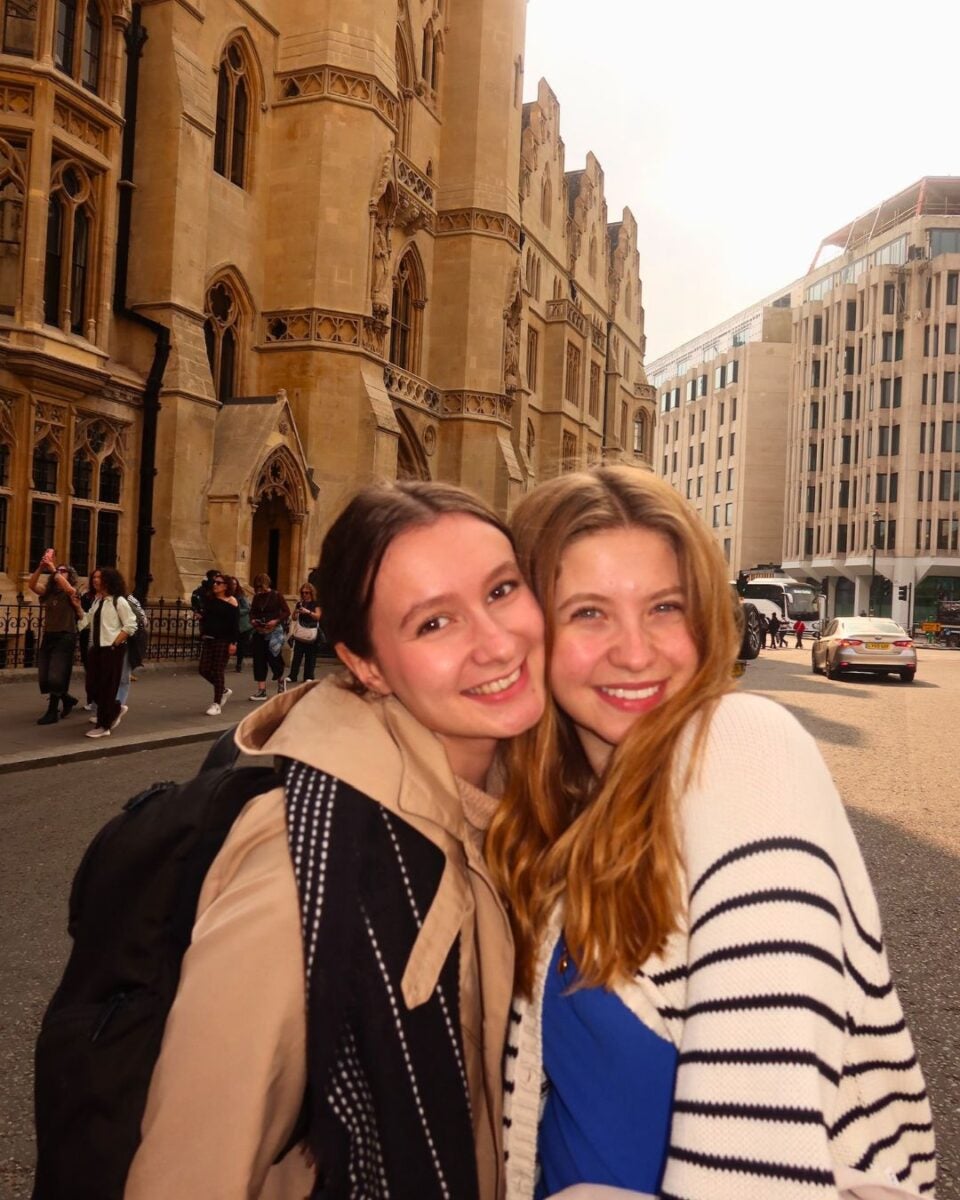
From walking through the busy London streets to navigating the underground public transportation system known as the Tube, every step in this city feels like I am paving a path to becoming a more well-rounded, educated, and experienced version of my previous self.
Finding Comfort in the Unfamiliar
At the same time, such navigation comes with unfamiliar places, people, sounds, and smells that often evoke feelings of homesickness. To combat that, I have allowed myself to embrace the unfamiliarity of London.
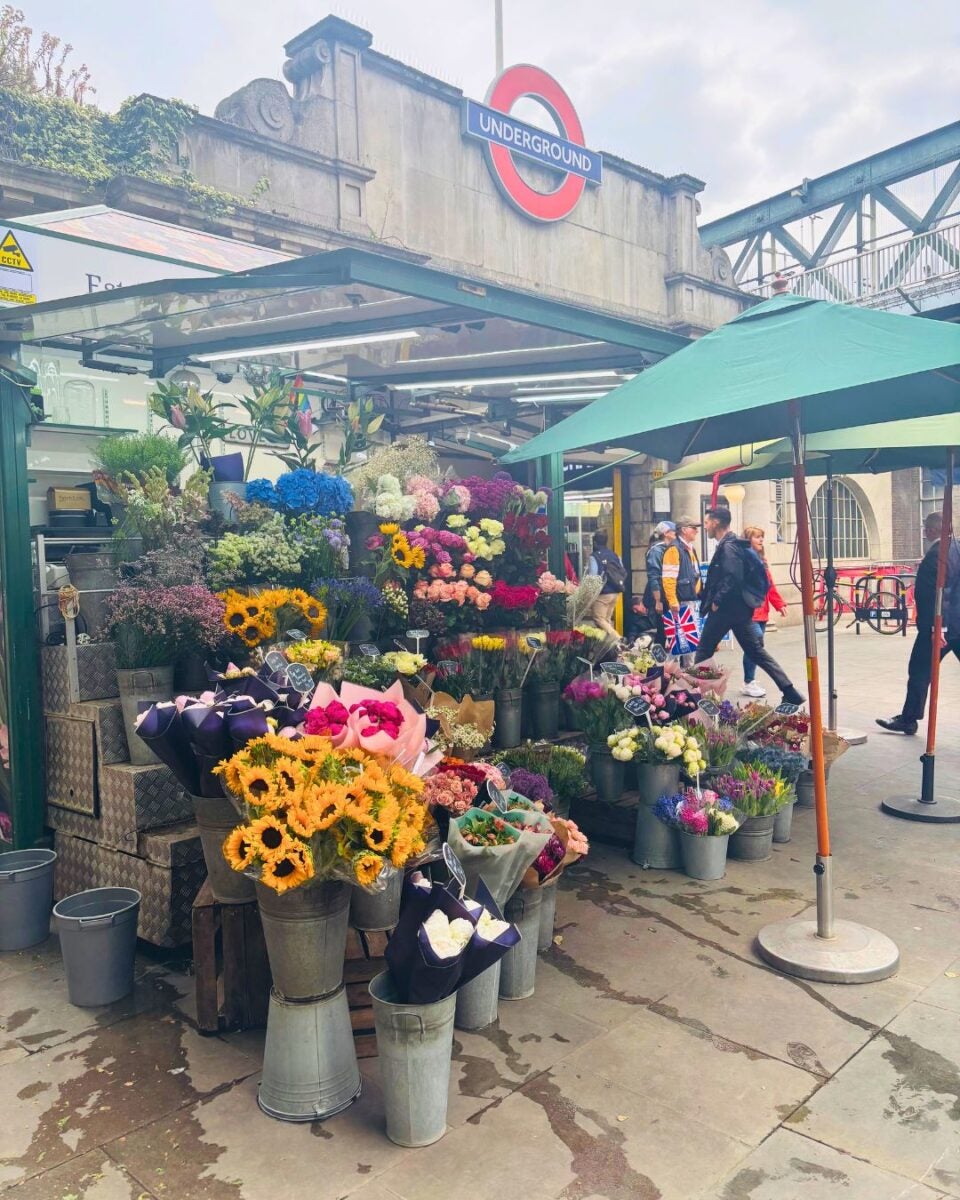
In doing so, I have found that stopping at the flower shop near Victoria Embankment Gardens on my way to lecture and smelling the peonies is the perfect remedy for homesickness. It allows me to slow down and truly appreciate the beauty of being in an unfamiliar space.
Seeing History Through New Perspectives
In fact, what I have learned the most so far during my time abroad is that embracing unfamiliarity is where the real growth occurs.
My lectures at King’s College London, alongside our group excursions with the Clement’s Center for National Security, are a testament to this fact. Our lectures are given by various professors with vastly different viewpoints, research interests, and perspectives. Each day, I am challenged to consider a new angle on British and American history that shifts the context of the space we are living in.
For example, a recent lecture was organized as a workshop in which our class split into four groups of five, each representing a different country (or set of countries) to research what a “nightmare scenario” would look like for that country.
The workshop, titled “Non-Western Perspectives on World Order,” placed me in the shoes of the Gulf States, analyzing Kuwait and Bahrain’s policies, economic goals, and relationship to their member states within the Gulf Cooperation Council.
In doing so, the exercise challenged my peers and me to step out of our standard mode of thinking and learn what international policy goals and the history of the modern world order look like from the perspective of Gulf diplomats
Learning Beyond the Classroom
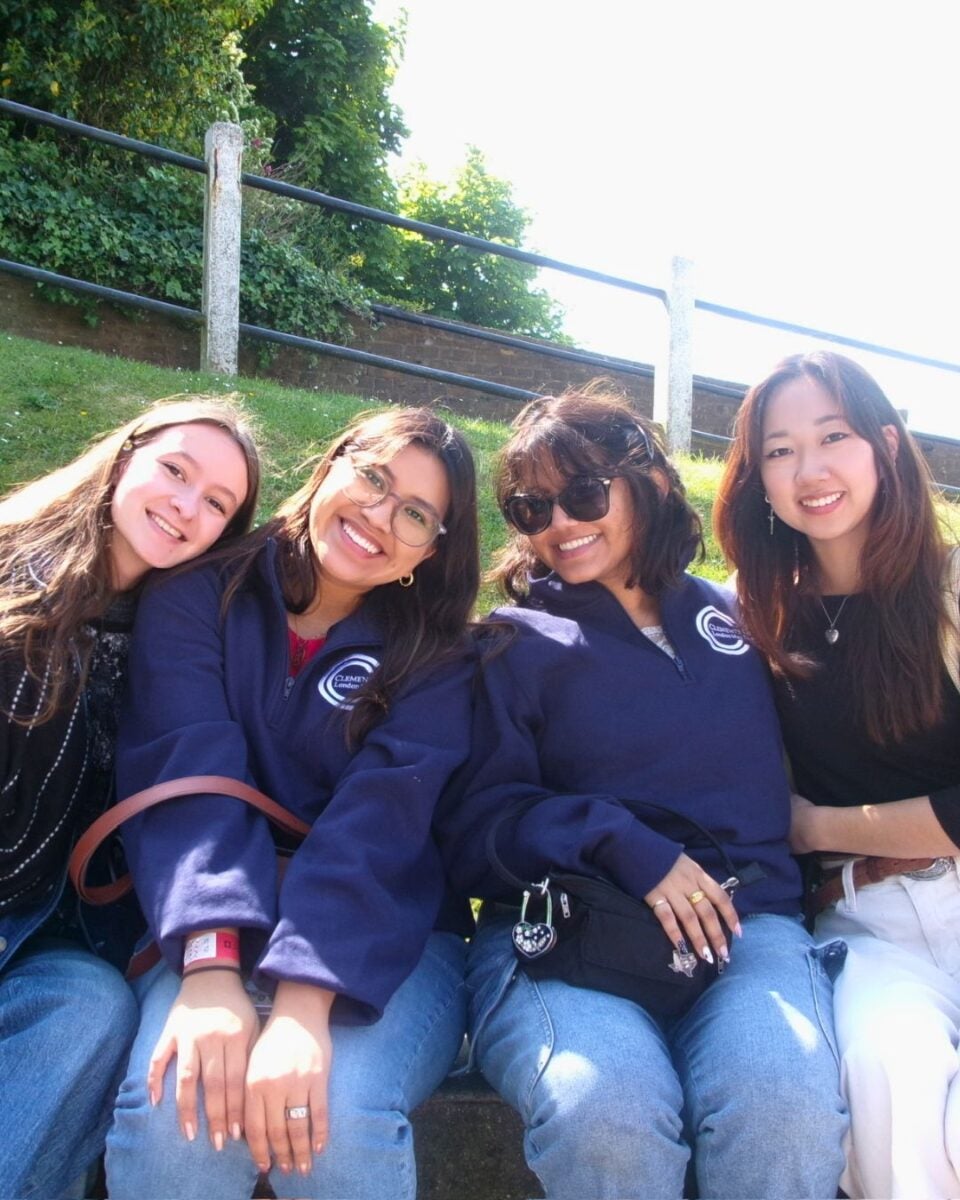
Similarly, during a group excursion to Dover Castle’s WWII war tunnels, my peers and I were immersed in a simulated wartime scenario. Within the tunnels, audio was played to mirror the conversations between a nurse and her patient. Scents strategically placed within the tunnels replicated the potent smells of a war-period hospital. Historic props decorated the rooms to match what they looked like during the war. Thus, we were situated within the perspective of a wounded soldier seeking refuge beneath the cliffs of Dover during one of the most turbulent periods in modern history.
Experiences like these have pushed me beyond simply learning about history and international relations in a classroom; they have allowed me to feel immersed within them. By engaging directly with unfamiliar perspectives, environments, and experiences, I have come to understand that growth is not found in comfort or certainty, but rather in the willingness to step into spaces that challenge the way we think and see the world.
So, if you find yourself abroad, remember to embrace the unfamiliarity and new perspectives that will shape you. And in doing so, stop often to take in the experience. Don’t be reluctant to stop and smell the peonies.
This blog was contributed by Maris Bouché, Global Ambassador for May 2026. Maris is a College of Liberal Arts junior participating in an exchange program at King’s College London in London, England.