One of the first and most important concepts American Sign Language students learn about is “immersion”: full, active commitment to the signing world. In ASL education, immersion means more than simply learning to sign — it requires engagement with the Deaf community and commitment to its cultural spaces.
Immersion is one of the most challenging, most rewarding practices one can commit to. From my travels thus far, I’ve grown to understand that the idea of immersion extends far beyond ASL education in the classroom; it is something necessary for taking any new leap in life.
That concept has shaped my experience over the past month here in France. In the days leading up to my departure from The University of Texas at Austin, I often worried about things I would miss or the inadequacies I might find within myself.
I boarded my flight out of Austin-Bergstrom International Airport (AUS) in a cloud of uncertainty. But when I touched down at Paris Charles de Gaulle Airport (CDG) and put my feet on the ground in France, I made a decision: to seize every last drop of opportunity my time here could offer. For the month of May, I chose to immerse myself as deeply as I could in this study abroad experience.
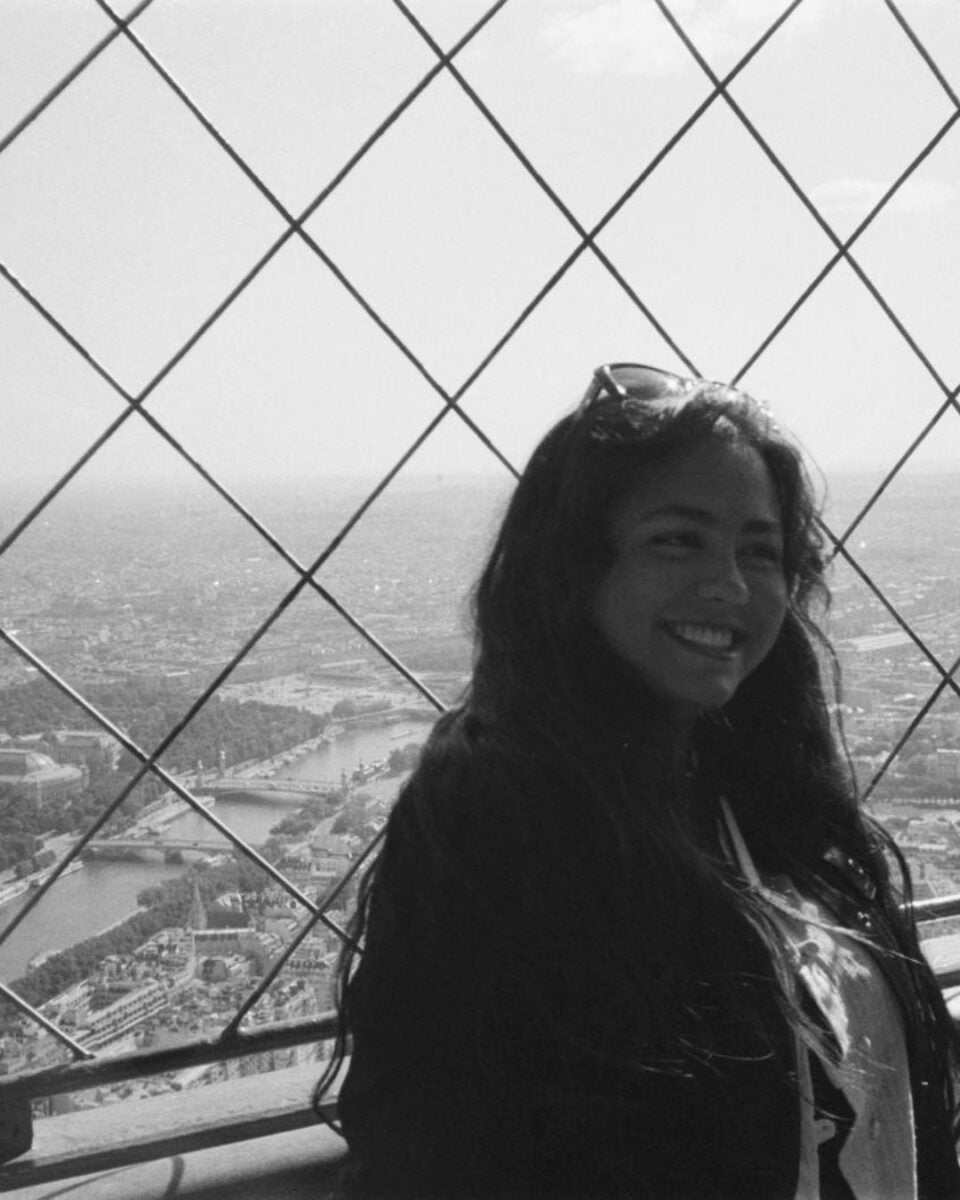
Part of that immersion has come from independent exploration. One of my favorite afternoons happened two days ago: morning class, a quick lunch at a boulangerie (bakery), a trip through the Luxembourg Gardens, and the best part — the walk home. In the four miles I traveled against the ebb of rush-hour foot traffic, I learned more about the people of France than I could have in hours at the Louvre Museum. I noticed their clothes, their children, and their dinners carried home in backpacks. In these details, France became less otherworldly and more like a community I was beginning to understand.
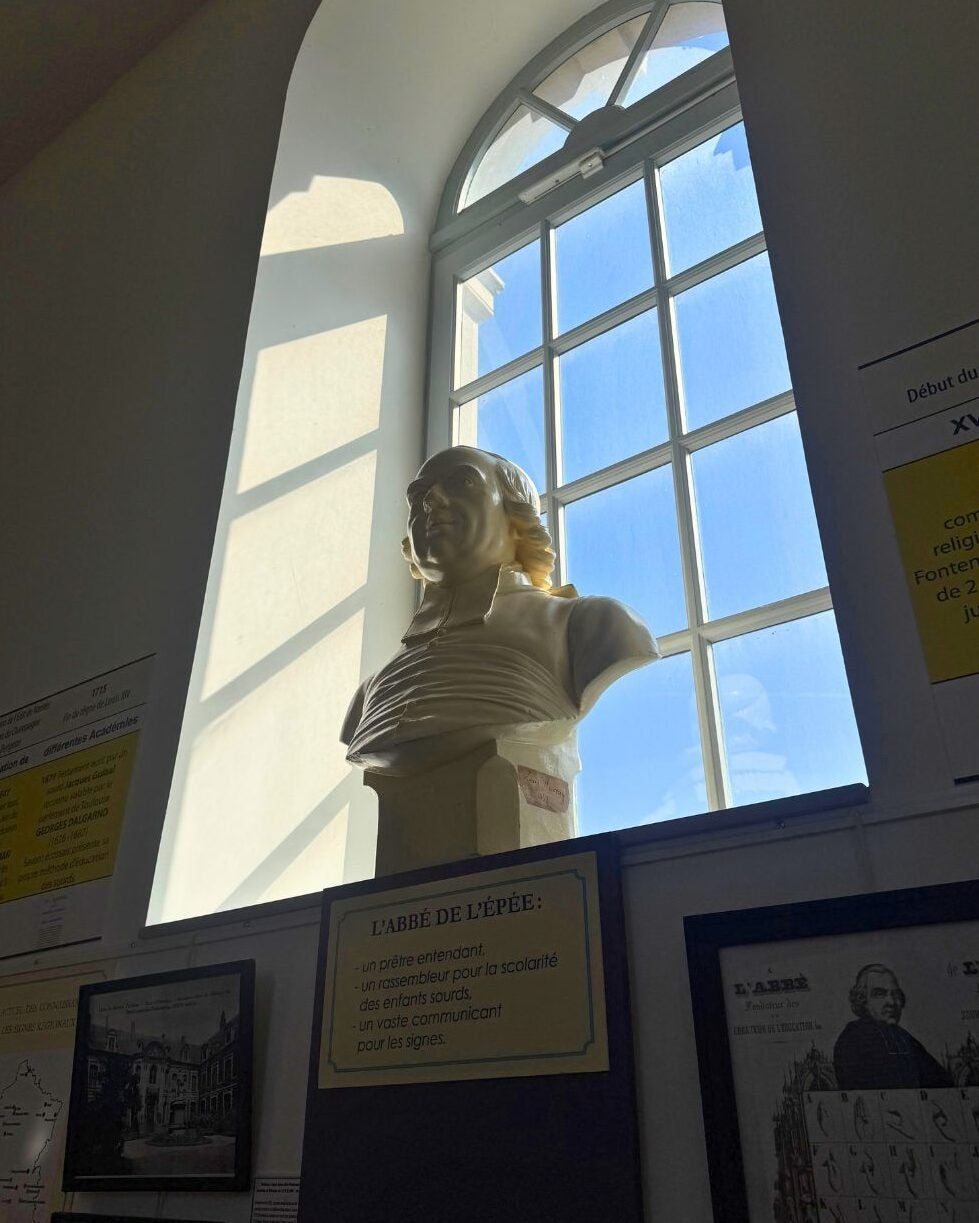
Likewise, that spirit of immersion has shaped my academic journey. From Paris to Lyon, France, we explored Deaf history and traced the origins of American and French Sign Languages, which are deeply intertwined. 200 years ago, Thomas Gallaudet, one of the most famous figures in Deaf America, learned sign language from French Deaf educators before returning to America to open the first school for deaf children. From education to diplomatic allyship, America and France share a history that spans the Deaf and hearing worlds, and it has been incredible to see those connections firsthand.
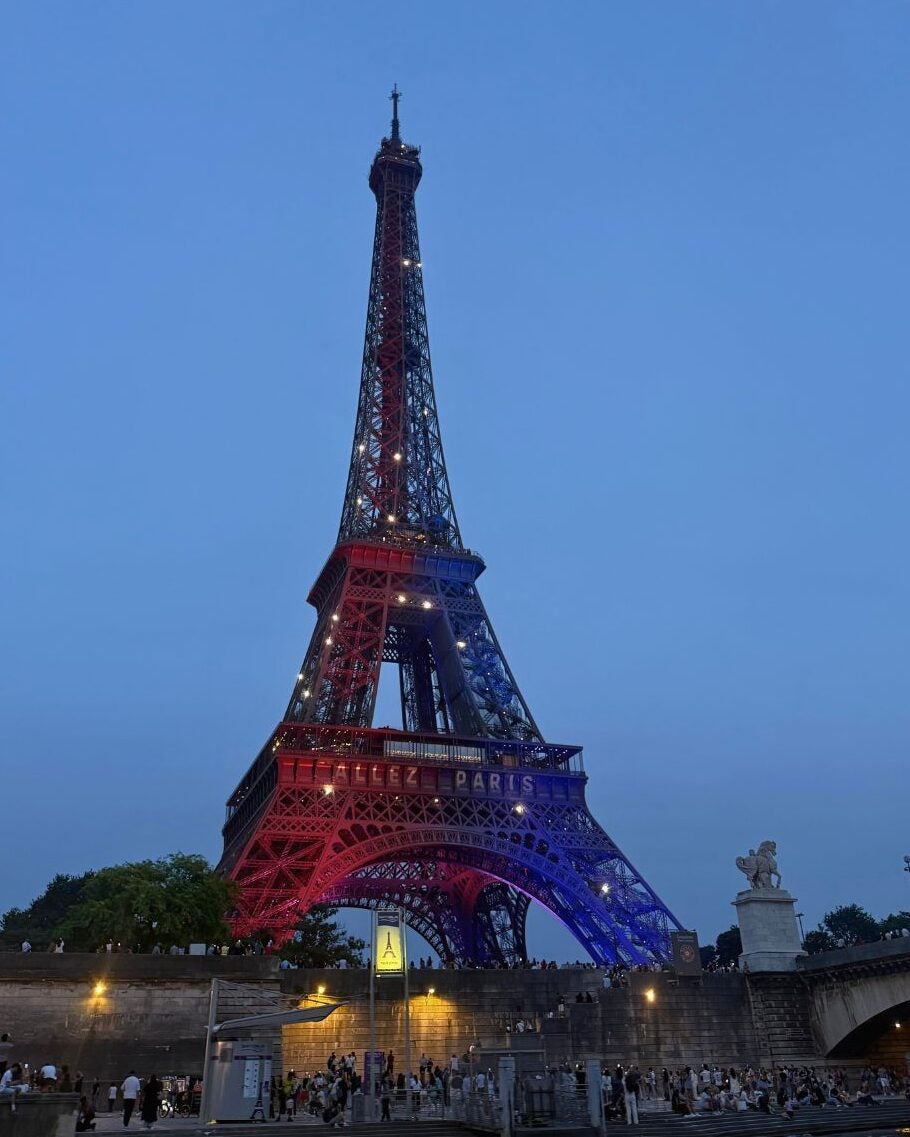
We began our journey in France’s capital, exploring many of the city’s landmarks, including the Eiffel Tower and the Notre-Dame Cathedral, guided by our deaf tour guides (shoutout to Hands on Travel!). From there we traveled south, exploring the birthplaces of deaf icons like Laurent Clerc and Ferdinand Berthier.
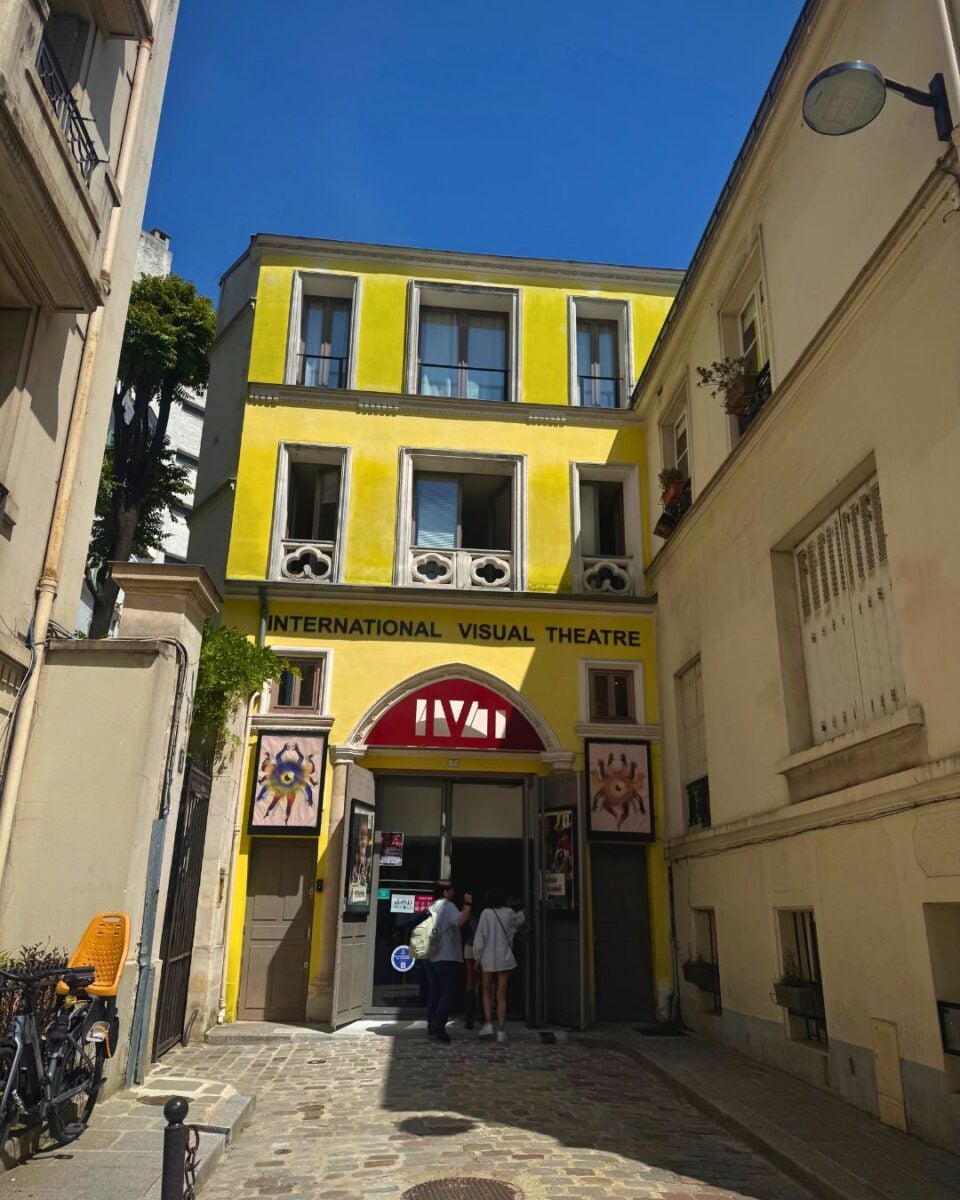
On recreational days, our group ventured to new cities like Geneva, Switzerland, and Annecy, France, continuing to immerse ourselves in sign language communication while exploring new places together. This week, we returned to Paris to continue learning French Sign Language at the International Visual Theatre, a leading center for deaf culture in France.
Yet, what has most distinguished this experience has not been the places we visited but the people who welcomed us. While every study abroad experience offers cultural education, I have found this program uniquely socially transportive.
My peers and I have been privileged to be welcomed by the French Deaf community, taught in Deaf spaces, and visit sites of Deaf history. After spending this past semester studying the community from the outside, it has been enlighteningly humbling to be invited into these spaces we’ve read about and have real conversations with the people who sustain them.
These past weeks have cemented my belief that the most effective way to understand and advocate for a community is to become some small part of it. Every student should take the opportunity to be involved in a community wholly different from their own — to learn a language, culture, and customs and to be immersed in a new world. This May, I’ve had that experience.
Cheesy as it may sound, I depart Paris a different person than the one who arrived. I find myself more grateful for my own privileges, more curious about undiscovered connections, and more open to the world in all its many dimensions. It is my wish for you — yes, you UT student reading this! — to have that experience too. Take the leap! Apply for the scholarship! The wide world is waiting.
This blog was contributed by Mehana Ondreyka, Global Ambassador for May 2026. Mehana is a College of Liberal Arts junior participating in the faculty-led program “Exploring the History of American and French Sign Languages” in Paris and Lyon, France.