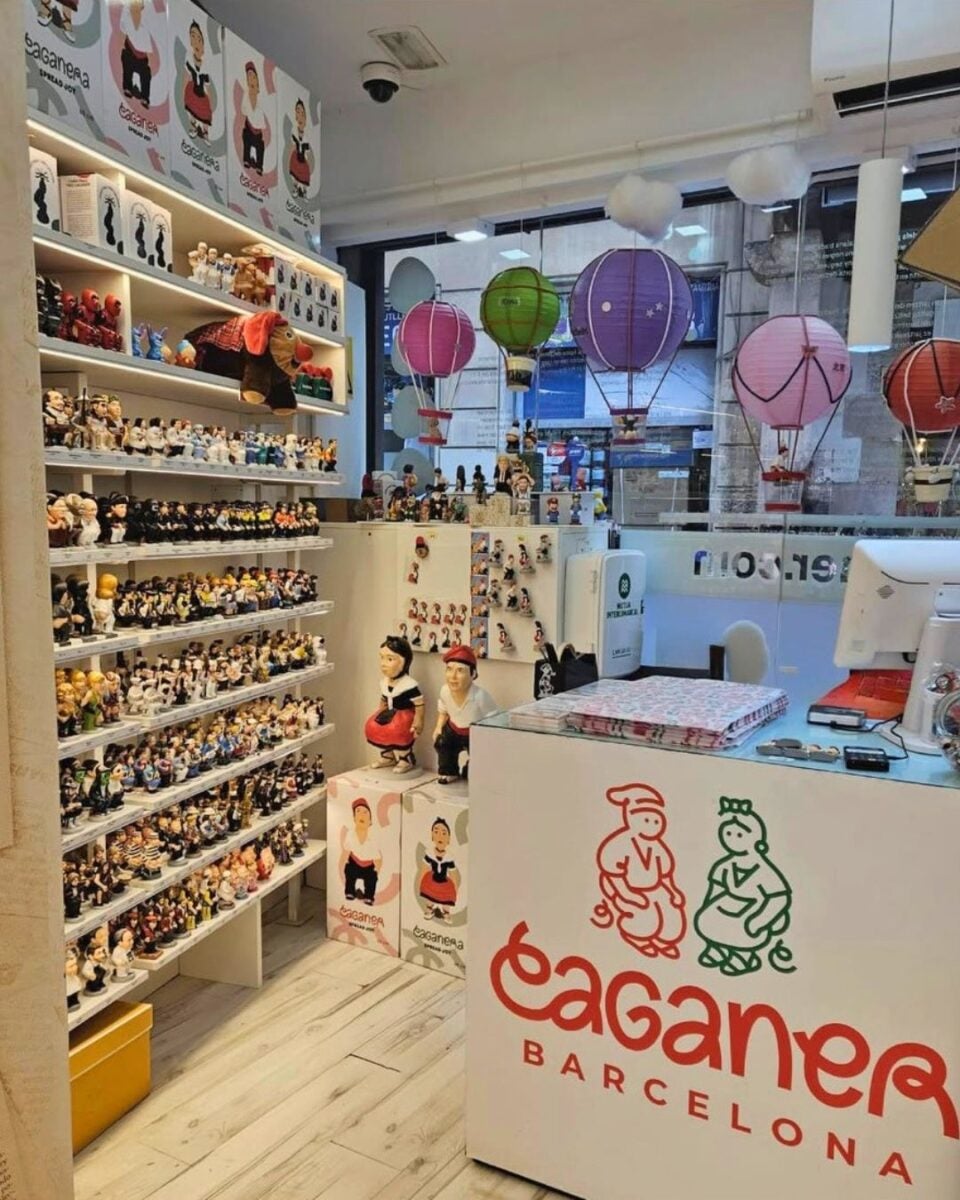
Arriving in Barcelona, Spain, I expected to notice the obvious cultural differences first, such as language, food, architecture, and daily routines. What I didn’t expect was that one of my earliest introductions to Catalan culture would come from a small, humorous figurine I kept seeing in shops, El Caganer.
At first glance, El Caganer is surprising. It is a traditional Catalan figurine often placed in nativity scenes in an unexpected and humorous pose. My initial reaction was confusion, followed quickly by laughter. It felt out of place compared to what I associated with holiday traditions, yet it appeared consistently in markets and stores across the city.
Over time, I learned that El Caganer is a well-known part of Catalan culture and is often included in nativity scenes as a symbol of good luck, fertility, and humility. While unconventional, it reflects a cultural appreciation for humor and grounding, even within something as traditional as a Christmas display.
As I began adjusting to life in Barcelona, I found myself thinking about El Caganer more often than expected. Studying abroad naturally comes with moments of uncertainty, such as navigating a new metro system or adjusting to a different academic and cultural environment. There are moments when small mistakes feel bigger than they are, whether it is getting on the wrong train or misunderstanding something in class.
However, over time, I have started to realize that these moments are not setbacks but part of the experience. Just as El Caganer exists within a serious cultural tradition while also bringing humor and lightness, living abroad has taught me that not everything needs to be taken so seriously. Mistakes are not failures; they are part of learning and adapting to a new environment.
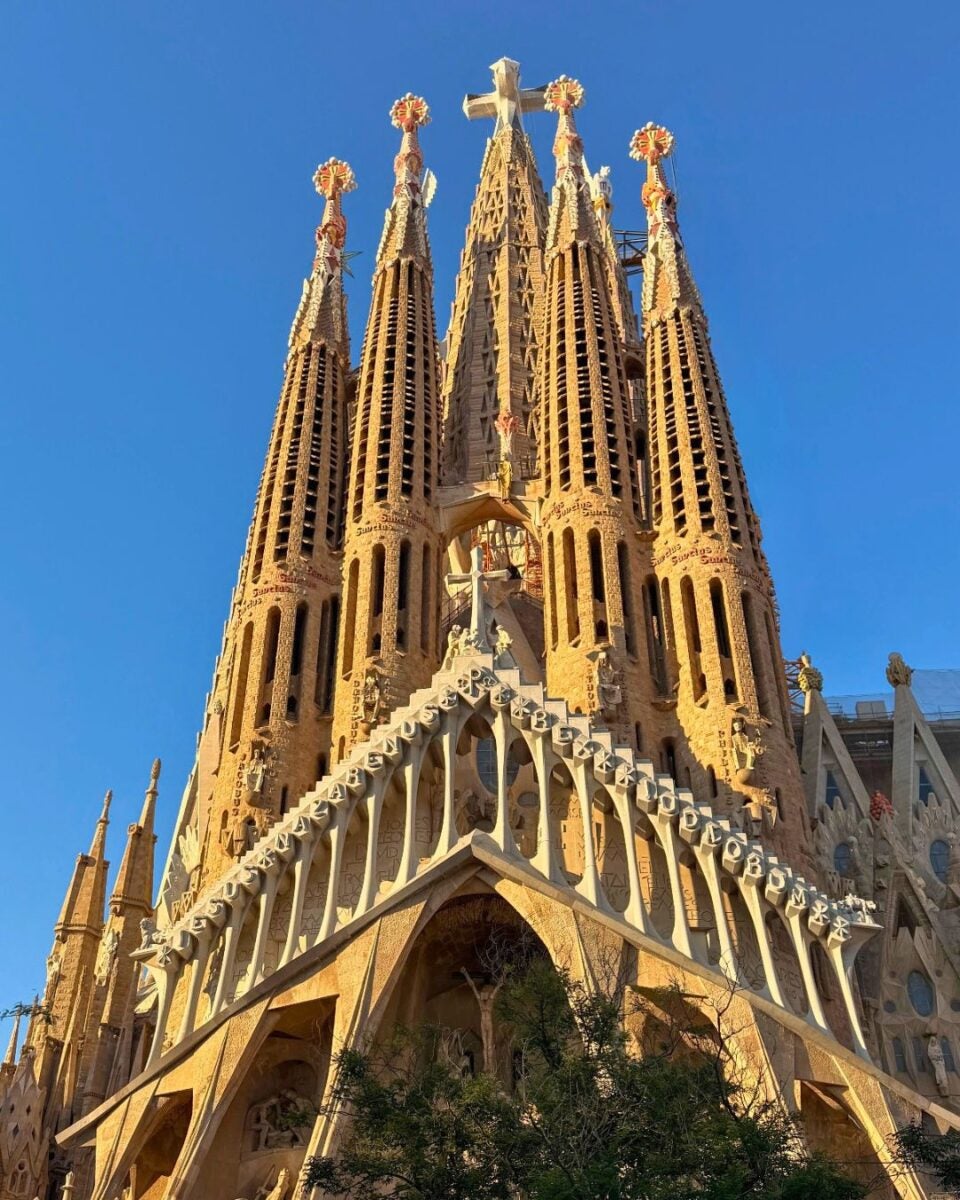
This perspective has also connected to my academic experience in my international marketing course. One of the key themes we discussed is cross-cultural consumer behavior and how different societies interpret meaning, humor, and symbolism. El Caganer is a perfect example of this.
What might seem unusual or even confusing to someone outside of Catalan culture actually holds cultural meaning and historical significance within it. It has reminded me that understanding a culture goes far beyond surface-level observations and often requires curiosity and openness to perspectives that are different from our own.
Outside the classroom, this mindset has made my experience in Barcelona more enjoyable and meaningful. Instead of worrying about doing everything perfectly, I’ve learned to slow down, observe, and appreciate the learning process itself. Whether I am exploring the city, trying new foods, or simply figuring out daily life, I’ve started to approach each experience with more flexibility and humor.


Studying abroad has shown me that growth does not always come from getting everything right but from how you respond when things do not go as expected. El Caganer, in its own unexpected way, has become a reminder of that lesson. It represents a cultural appreciation for humor within tradition, and for me, it now symbolizes the importance of not taking every moment too seriously while still fully engaging with the experience.
As I continue my time in Barcelona, I hope to carry this mindset forward, embracing challenges, learning from mistakes, and finding humor in unexpected parts of living abroad.
This blog was contributed by Federica Vives, Global Ambassador for May 2026. Federica is a McCombs School of Business freshman participating in the faculty-led program “International Marketing” in Barcelona, Spain.